
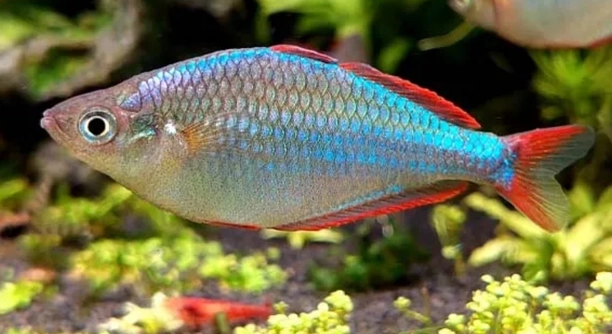
Rainbow fish are known for their colorful beauty, but their behavior often raises questions. One peculiar habit is their attraction to dark corners in aquariums. Understanding why they do this can help in creating a better environment for them.
Rainbow fish are drawn to dark corners due to their natural instincts. These areas mimic the shaded zones they would seek in the wild, providing a sense of security and comfort. In the wild, such places offer protection from predators.
This behavior is important to consider when setting up their tank. Knowing how they respond to their surroundings can help improve the overall well-being of your rainbow fish.
Why Rainbow Fish Seek Darkness
Rainbow fish are naturally attracted to darker spots, which may seem strange at first. This behavior is linked to their instincts for safety and comfort. In the wild, these fish are often found near shaded areas like rocks or plants, where they can avoid predators and feel secure. In an aquarium, when they swim toward the darker corners, they are essentially recreating a sense of refuge. This is especially noticeable in smaller tanks, where the contrast between light and shadow is more pronounced.
While rainbow fish can adapt to various light conditions, they often seek areas with low light to relax. This behavior is part of their need for a peaceful environment. In an aquarium, bright lighting can stress the fish, so providing darker spaces can help them feel more at ease. If you notice your fish consistently gravitating to these corners, it’s a sign they’re searching for a space where they can hide and rest.
Creating a comfortable habitat with both bright and dark areas will benefit the fish’s health. They need places to explore and hide, mimicking their natural environment. Understanding their attraction to dark corners will allow you to adjust their living space to meet their needs, ultimately promoting their well-being.
How Light Affects Their Behavior
Light plays a huge role in how rainbow fish interact with their surroundings. Too much brightness can make them feel exposed and vulnerable.
A well-balanced tank with a mix of light and shadow will ensure your rainbow fish feel secure. They need darker spots to escape from harsh light and create a more natural, comfortable environment. Additionally, plants or decorations that block light can provide these spaces.
Tank Size and Its Impact
In smaller tanks, rainbow fish are more likely to seek out darker corners. The limited space creates a sense of confinement, making the fish feel more vulnerable. With less room to explore, they turn to the corners for protection. In larger tanks, they have more options and tend to swim more freely in open areas.
A tank that’s too small can stress rainbow fish, especially if there aren’t enough hiding spots. The presence of dark corners allows them to escape from both light and perceived threats. By offering a few shaded spaces, you give them room to feel safe, reducing their stress levels. Creating an environment with hiding places in larger tanks can replicate the feeling of a natural habitat.
To ensure the health of your rainbow fish, aim for a spacious tank with both light and dark areas. A large, well-planted tank with ample hiding spots provides the best environment. These spaces allow the fish to exhibit natural behaviors, keeping them active and content while promoting their overall well-being.
Water Conditions and Their Preferences
Rainbow fish are highly sensitive to their water conditions, and these factors can influence their behavior.
A well-maintained tank with stable water parameters is essential for their comfort. They prefer slightly acidic to neutral water with good filtration and temperature regulation. When water conditions are unstable, it can cause stress, prompting the fish to seek refuge in darker areas. If the water is not clean or balanced, rainbow fish may be drawn to darker corners as a way to escape uncomfortable conditions.
Natural Habitat Mimicry
Rainbow fish thrive in environments that mirror their natural habitat. They are used to areas with both light and dark zones, often found near riverbanks with overhanging plants. In the wild, these dark areas provide them with safety and shelter, helping them avoid predators.
When kept in an aquarium, it’s essential to replicate these conditions. By placing plants, rocks, or other decorations in the tank, you give the fish the opportunity to find a dark corner. This setup will not only allow them to feel at ease but also help reduce stress. Creating a habitat that resembles the wild will keep them healthier and happier.
Social Behavior and Its Influence
Rainbow fish are social animals and tend to follow each other’s behavior.
When one fish seeks out a darker corner, others may follow. This is part of their natural instinct to stay together as a group, especially in times of perceived danger. Even in a well-lit tank, the presence of dark corners offers them a sense of security that encourages this communal behavior.
Tank Decoration Choices
Adding plants or structures in the tank can help create darker zones.
By placing decorations strategically, you provide both beauty and function. These features offer your fish places to hide, making them feel more secure and comfortable. This can help reduce stress and encourage more natural behavior.
FAQ
Why do rainbow fish hide in dark corners?
Rainbow fish are naturally drawn to dark corners because they mimic the safe, shaded areas found in their natural environment. In the wild, they seek out places that offer protection from predators. By swimming into these dark spaces in your tank, they feel safer and more secure. This behavior is instinctive, driven by their need to find a refuge when they feel threatened. The presence of dark corners in their tank helps them feel at ease and reduces stress, which is essential for their health.
Can too much light stress rainbow fish?
Yes, too much light can stress rainbow fish. They prefer environments with varying light levels, which resemble their natural habitat. If the tank is constantly brightly lit, rainbow fish may become overwhelmed. Bright lighting can expose them, making them feel vulnerable, which may lead them to retreat into darker areas. To avoid stressing your fish, you should provide areas with both light and shadow, creating a more comfortable environment for them. Dim lighting for several hours a day can also help maintain their natural rhythm.
Do rainbow fish need hiding spots in their tank?
Yes, rainbow fish benefit from having hiding spots in their tank. These fish may appear bold, but they still need areas where they can hide to feel secure. Providing caves, plants, or other decorations can create sheltered spaces where they can retreat when feeling stressed. This mimics their natural environment and gives them the freedom to explore, socialize, or rest in a safe space when needed. Ensuring there are both open and shaded areas in the tank will promote healthier and more active fish.
How can I create a comfortable tank for my rainbow fish?
To create a comfortable tank for your rainbow fish, ensure there is a balance between light and dark spaces. Use plants, rocks, or decorations to form shaded areas where the fish can seek refuge. Make sure the water quality is stable with proper filtration, and the temperature is within the recommended range. A larger tank with enough swimming space allows the fish to feel less confined. By replicating their natural habitat, you provide them with an environment where they can thrive.
Does the size of the tank affect rainbow fish behavior?
Yes, tank size plays a significant role in rainbow fish behavior. Smaller tanks often cause fish to feel restricted and stressed due to limited space. In these conditions, rainbow fish are more likely to seek out dark corners to hide. Larger tanks offer more room for swimming and exploring, which can help reduce stress. When a rainbow fish has space to roam, it is less likely to constantly retreat to dark areas. A larger tank with various hiding spots provides the best setup for keeping rainbow fish healthy and happy.
How do rainbow fish interact with each other in the tank?
Rainbow fish are social creatures and tend to form small groups. They enjoy being around others of their kind, and their interactions are generally peaceful. These fish will often swim together, which provides them with a sense of security. However, rainbow fish may display territorial behavior if the tank is overcrowded or lacks hiding spots. It’s essential to provide enough space and shelter to prevent aggression. Ensuring that your tank has a few other rainbow fish will help them feel more comfortable and at ease.
Are rainbow fish sensitive to changes in water quality?
Yes, rainbow fish are sensitive to changes in water quality. They rely on stable water conditions to stay healthy. Fluctuations in temperature, pH, or ammonia levels can cause stress and even illness. Rainbow fish prefer slightly acidic to neutral water, with good filtration to keep it clean. Regular water changes and careful monitoring of the tank’s parameters are important for maintaining their well-being. A stable environment helps them feel secure and encourages natural behavior, including their tendency to seek out darker areas when they feel threatened.
Can rainbow fish live with other species?
Rainbow fish are peaceful and can live with many other species, as long as the other fish are not overly aggressive. They are typically non-territorial, so they don’t mind sharing space with other peaceful species. However, it’s essential to ensure the other fish in the tank are not too large or aggressive, as they may cause stress to the rainbow fish. Also, make sure there are enough hiding spots and spaces for the fish to swim comfortably. Keeping a balanced community tank will provide a safer and more enjoyable environment for your rainbow fish.
Do rainbow fish like plants in their tank?
Rainbow fish appreciate having plants in their tank. Plants help create natural hiding spots and provide them with a more secure environment. They also enjoy swimming around plants, as it mimics their natural habitat near riverbanks and vegetation. Live plants can also help maintain water quality by absorbing excess nutrients and providing oxygen. When adding plants to your tank, make sure they are appropriate for the fish and won’t crowd the space. A combination of plants and decorations will help the rainbow fish feel more comfortable and less stressed.
How do I know if my rainbow fish is stressed?
If your rainbow fish is stressed, it may display certain signs, such as erratic swimming, hiding more than usual, or losing its vibrant colors. Stressed fish often isolate themselves from the group and may appear lethargic. They may also have a reduced appetite or display changes in their behavior, such as skittishness or aggression. To help alleviate stress, check the water quality, ensure the tank is the right size, and offer plenty of hiding spots. Reducing stress is crucial to maintaining their overall health and well-being.
Final Thoughts
Rainbow fish are fascinating creatures with unique behaviors, and understanding their attraction to dark corners is important for providing them with a comfortable living environment. Their instinct to seek out shaded areas reflects their natural need for protection and security. In their wild habitats, these fish often find refuge in places where they feel safe from predators. Mimicking these conditions in your aquarium can help create a more natural, stress-free environment. By offering a variety of light and dark spaces, as well as hiding spots, you allow your rainbow fish to behave more naturally, reducing stress and improving their overall health.
While the attraction to dark corners might seem unusual, it’s simply a reflection of their instincts. In the wild, these fish are used to swimming in environments with a mix of light and shadows. Overhead plants, rocks, and other structures create shaded areas where they can feel protected. In an aquarium, providing similar conditions ensures that your rainbow fish can retreat to a darker space whenever they feel vulnerable. If your tank lacks these areas, your fish may become stressed and less active, which can negatively affect their health and behavior.
In summary, understanding why rainbow fish are drawn to dark corners helps you create a better, healthier environment for them. It’s not just about aesthetics, but about meeting their natural needs. When setting up your tank, consider both light and dark spaces, as well as the importance of water quality and tank size. A well-balanced environment with ample hiding spots, plants, and decorations will encourage your rainbow fish to thrive. By paying attention to their natural instincts and providing a suitable habitat, you can ensure your rainbow fish remain active, happy, and healthy.

Hello,
If you enjoy the content that we create, please consider saying a "Thank You!" by leaving a tip.
Every little bit helps us continue crafting quality advice that supports the health, happiness, and well-being of pets around the world, for pets of all shapes, sizes, and species.
We really appreciate the kindness and support that you show us!