
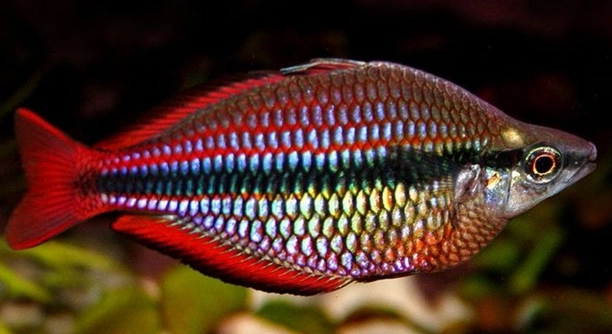
Rainbow fish are popular in home aquariums, and many fish owners wonder about their environmental preferences. One common concern is whether they prefer dim or bright lighting. Understanding their light preference can improve their well-being.
Rainbow fish generally prefer moderate lighting, as it mimics their natural habitat. In the wild, they are accustomed to varying light conditions, with periods of bright sunlight and shaded areas. Too much brightness or darkness can cause stress.
Knowing how lighting impacts rainbow fish is important for creating the best environment. This simple adjustment can help enhance their behavior and overall health.
Light and Its Effect on Rainbow Fish
When setting up an aquarium for rainbow fish, lighting plays an important role in their overall health. In the wild, rainbow fish are often found in areas with a mix of light and shadow. They enjoy places with dappled sunlight, such as areas near water plants or those partially shaded by trees. This environment allows them to feel secure and less stressed. Too much light can cause discomfort and might lead to behavior changes like hiding or staying near the surface. On the other hand, very dim light can also be harmful, as it may lead to inactivity or confusion.
The right light helps rainbow fish feel comfortable and promotes healthy behaviors like swimming and feeding. It’s essential to maintain a light cycle similar to their natural habitat, with periods of brightness and dimness throughout the day.
Ensuring balanced lighting is key to keeping your rainbow fish active and happy. While you don’t need to replicate the sun’s intensity, a well-lit tank with gentle lighting works best for their health.
How to Achieve Proper Lighting
The simplest way to set up the lighting for your aquarium is by using aquarium lights designed specifically for fish tanks. These lights simulate natural sunlight, providing a suitable spectrum. Choosing adjustable lighting can allow you to control brightness, creating periods of light and dark, mimicking natural conditions.
You can also adjust lighting by placing plants or rocks that create natural shadows within the tank. This gives your fish areas to hide and rest, reducing stress. Rainbow fish are social and thrive when they feel secure in their environment, so mixing bright and dim light within the tank will encourage their active, natural behavior.
The Importance of Light Cycle
Rainbow fish thrive with a consistent light cycle, similar to the day-night rhythm in nature. They are sensitive to changes in light duration, so it’s best to maintain a stable schedule. Aim for 10-12 hours of light during the day, followed by 12-14 hours of darkness. This routine helps regulate their sleep and feeding patterns.
A consistent light cycle also helps control algae growth. The light should not be left on for too long, as this can lead to excess algae, which may make the tank appear unclean. Keep in mind that when the light cycle is too short, rainbow fish might not get enough exposure to the light they need for healthy behavior. Proper lighting duration promotes the fish’s natural activity levels, allowing them to swim, feed, and interact.
Providing a light cycle that mimics natural patterns also supports their breeding behaviors. During certain times of the year, they may breed more frequently when light conditions align with their instincts. Adjusting your tank’s lighting to match their needs is a simple way to encourage a happy, healthy aquarium environment.
Choosing the Right Aquarium Light
When selecting aquarium lights for rainbow fish, consider using LED lights with adjustable settings. These are energy-efficient, last longer, and can be fine-tuned to the needs of your tank. LEDs also offer the ability to simulate different light temperatures, ranging from cool white to warm yellow tones.
For a more natural effect, choose lights that mimic the spectrum of sunlight, as rainbow fish respond well to these wavelengths. Remember to choose lights that fit the size of your tank and adjust the brightness accordingly. Too much light can stress the fish, while too little can leave the tank looking dull.
Proper light placement also matters. Position lights at the top of the tank for uniform coverage, ensuring the whole tank gets an even amount of light. This setup helps your rainbow fish feel at ease, encouraging them to swim more freely.
Potential Stress from Excessive Brightness
Excessive light can cause stress for rainbow fish. Bright lights can make them feel exposed and unsafe, pushing them to hide in darker areas of the tank. This may lead to a decrease in activity and overall health. Rainbow fish are more active and social when they feel secure in their environment.
To avoid stress, limit intense lighting. It’s important to strike the right balance between brightness and shadow. Too much light can make them uncomfortable, and they may exhibit signs of anxiety such as skittish behavior or hiding. Monitoring how they react can help adjust lighting levels accordingly.
Providing Shaded Areas in the Tank
Adding plants, rocks, or decorations helps create shaded areas for rainbow fish. These spaces allow them to retreat when the light feels too harsh. Providing a mix of light and shadow is key to making them feel more at ease.
Shaded areas mimic natural environments, offering a safe haven for fish that need breaks from light. By ensuring your tank has these hiding spots, you give rainbow fish the opportunity to rest and recover from any stress caused by bright lighting.
FAQ
Do rainbow fish need light at night?
Rainbow fish do not require light at night. In fact, it’s essential for them to have a period of darkness, as it helps them rest. Just like humans, fish need a regular sleep cycle to stay healthy. Keeping lights on at night can disrupt their natural rhythm, leading to stress or disorientation. Ensure your tank has a period of darkness, ideally 12-14 hours, to mimic a natural day-night cycle. This helps your fish feel more secure and supports their overall health.
Can too much light harm rainbow fish?
Yes, too much light can harm rainbow fish. While they enjoy moderate light, excessive brightness can cause stress, making them more likely to hide. Prolonged exposure to bright lights can also affect their immune system and make them more vulnerable to disease. To keep your fish comfortable, aim for a balanced light cycle. Ensure there are shaded areas in the tank where they can retreat if the light becomes too intense. Managing the intensity and duration of light is important for their well-being.
What type of lighting is best for rainbow fish?
LED lights are often the best choice for rainbow fish tanks. They are energy-efficient, long-lasting, and provide adjustable light settings. LED lights allow you to mimic natural light patterns, which is important for the fish’s health. A good choice would be LEDs that offer a spectrum similar to sunlight, ranging from cool white to warm tones. It’s also beneficial to choose lights that are adjustable, allowing you to control the brightness and duration. Proper light placement in the tank can also help ensure that the fish get an even distribution of light.
Should I use a timer for the lights?
Using a timer for the lights is a smart idea. Timers help maintain a consistent light cycle, which is crucial for rainbow fish. This ensures that they get the right amount of light during the day and darkness at night. A consistent light cycle prevents stress and keeps the fish’s behavior stable. You can set the timer to provide 10-12 hours of light and 12-14 hours of darkness. This replicates the natural day-night rhythm and supports your fish’s health.
How can I prevent algae growth in the tank?
Algae growth can be a common issue in aquariums, especially when there’s excessive light. To prevent algae, reduce the duration of lighting each day. If the tank receives too much light, algae can grow quickly, making the water look murky and affecting your fish’s environment. Regularly cleaning the tank and removing excess organic matter also helps control algae. You can also add plants that help absorb excess nutrients in the water, which can limit algae growth. Make sure your tank isn’t overexposed to light, and use a timer to regulate the light duration.
Can rainbow fish tolerate dim light?
Rainbow fish can tolerate dim light, but too little light isn’t ideal for their health. In their natural habitat, they experience fluctuating light levels, but always within a reasonable range. Dim lighting for extended periods may lead to reduced activity levels, as the fish are less likely to explore the tank. They may also struggle with feeding and swimming if there’s not enough light to stimulate their natural instincts. A moderate level of light with shaded areas is the best way to create a comfortable and balanced environment for rainbow fish.
What are the signs of stress in rainbow fish?
When rainbow fish are stressed, they may exhibit several signs. They may hide more than usual or swim erratically. You might notice them staying at the surface or darting to corners of the tank. Changes in coloration can also be a sign of stress, as fish often lose their vibrant colors when uncomfortable. If your rainbow fish seem more inactive than usual, this could indicate they are not happy with their environment. Adjusting light intensity, adding hiding spots, or improving water quality can help reduce stress.
Is it okay to use bright lighting for short periods?
Bright lighting for short periods can be acceptable, as long as it doesn’t overwhelm the fish. A burst of intense light can simulate natural sunlight, which can be beneficial during certain parts of the day. However, it’s important to ensure that the fish have the option to escape into shaded areas if the light becomes too much. Providing breaks in the light cycle, with moderate periods of dimness, can help avoid stress. Bright lighting should never be constant, and the overall lighting setup should be balanced to promote a healthy environment.
How do I create shaded areas in the tank?
Shaded areas in the tank can be easily created by adding live plants, rocks, or decorations. These provide natural hiding spots for your rainbow fish, where they can retreat when the light feels too intense. Plants are a great choice because they also improve water quality by absorbing excess nutrients. You can arrange rocks or decorations in a way that blocks light from certain sections of the tank, giving the fish a break from bright lighting. Creating shaded areas allows your rainbow fish to feel more secure and relaxed.
Can I keep rainbow fish with other species in the same tank?
Rainbow fish are generally peaceful and can be kept with other species that share similar environmental needs. They are not overly aggressive, so they usually get along well with other non-aggressive fish. However, it’s essential to ensure that the other fish have similar light and water requirements. Avoid pairing them with species that may become aggressive or those that need significantly different lighting conditions. A mixed community tank with compatible species can create a harmonious environment, promoting the well-being of all fish.
Final Thoughts
Understanding how lighting affects rainbow fish is important for creating a healthy environment in your aquarium. Rainbow fish, like many other species, thrive when they experience conditions similar to their natural habitat. They prefer moderate lighting with a balanced day-night cycle. Providing this balance, along with shaded areas in the tank, can help them feel secure and active. If the lighting is too bright or too dim, it may cause stress and impact their behavior. By adjusting the light cycle, you can avoid these issues and create a comfortable space for your fish.
Choosing the right lighting for your aquarium is key. LED lights work well because they are energy-efficient, adjustable, and can mimic the light spectrum found in nature. Having a timer for the lights can also help maintain a consistent light cycle, which is important for your fish’s health. Aim for a 10-12 hour light period, followed by 12-14 hours of darkness, to allow your rainbow fish to rest. By carefully controlling the intensity and duration of the light, you can prevent stress, algae growth, and other issues in the tank.
Finally, it’s essential to remember that every tank is different. Factors like the size of the aquarium, the number of fish, and the types of decorations can all influence how lighting affects your rainbow fish. Regularly monitoring your fish’s behavior and adjusting the light when needed can help you maintain the ideal environment. With the right setup, your rainbow fish will thrive, showing off their vibrant colors and natural behaviors. Keep in mind that balance is the key to a healthy and happy aquarium.

Hello,
If you enjoy the content that we create, please consider saying a "Thank You!" by leaving a tip.
Every little bit helps us continue crafting quality advice that supports the health, happiness, and well-being of pets around the world, for pets of all shapes, sizes, and species.
We really appreciate the kindness and support that you show us!