
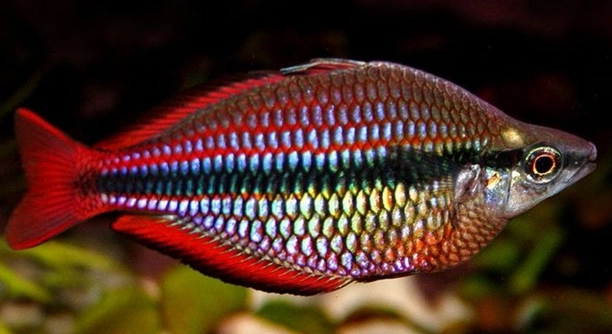
Rainbow fish are fascinating creatures, known for their vibrant colors and graceful movements. Sometimes, they may appear to be staring into the wall of their tank. This behavior can be curious and puzzling for aquarium owners.
Rainbow fish typically stare into the tank wall due to reflections or their interest in the surrounding environment. The glass often reflects light, causing them to perceive something interesting or unfamiliar, prompting the fish to focus on it.
Understanding this behavior can help you better care for your rainbow fish. By observing their habits, you can ensure they are comfortable and not stressed in their environment.
Why Do Rainbow Fish Stare at the Glass?
Rainbow fish are not only beautiful but also have unique behaviors that make them fascinating to watch. One common thing they do is stare at the tank wall for what seems like no reason. This can often worry new fish owners, who may think their pet is stressed or unwell. In reality, fish staring at the glass is a completely normal behavior. Fish are highly sensitive to their surroundings and can often focus on objects or light reflections. The tank glass acts like a mirror, and the fish may be looking at their own reflection or objects outside the tank.
Staring at the tank wall is not typically a sign of distress. It could be that the fish are simply observing their environment. Sometimes, the fish might even be interacting with their reflection, which is a natural behavior in many species.
It’s important to note that rainbow fish, like many others, are curious and responsive to changes in their surroundings. If there are any changes in light, temperature, or movement outside the tank, they might focus on the source of the change. This kind of behavior is part of how fish explore their environment. You may also notice that they become more active at certain times of the day, especially when the light changes or the water flow is altered. These small things can make a big difference in how they behave.
Reflections in the Tank
A common reason rainbow fish stare at the glass is the reflections they see. When light hits the tank, it creates a mirror effect that attracts the fish’s attention.
Fish naturally react to their environment and can be drawn to reflections of themselves or even movement outside the tank. This behavior is instinctual, as fish often observe changes in light and movement for survival or curiosity.
Tank Size and Space
If your rainbow fish are in a smaller tank, they might feel more confined and focus on the tank wall. A cramped environment can encourage them to look outside for more space. When fish don’t have enough room to swim freely, they might become fixated on reflections or movements.
Fish need space to thrive, and when the tank is too small, it limits their exploration. In a larger tank, rainbow fish are more likely to explore all areas and interact with each other instead of staring at the glass. A bigger space also reduces the stress that comes from overcrowding, helping to promote healthier behavior and activity.
If you’re seeing your fish staring at the tank wall frequently, consider whether they have enough space. Rainbow fish typically do well in tanks that are at least 30 gallons, as this allows them plenty of room to move around. A well-sized tank can make a noticeable difference in their behavior, reducing the amount of time spent staring at reflections.
Lighting and Reflection
Lighting can play a big role in why rainbow fish focus on the tank wall. Strong lights cause reflections that fish may perceive as something important to explore.
Fish often react to changes in their environment, and the way light reflects off the glass can make them fixate on the tank wall. Bright or fluctuating light sources can cause them to notice things like their own reflection, which may seem like another fish. Adjusting the lighting or using softer lights can help reduce this behavior. Regular changes in lighting, such as during the day and night cycles, can also keep the fish more engaged and less likely to focus on the glass.
Fish Tank Decorations
Decorations in the tank can also influence the behavior of rainbow fish. When there are not enough hiding spots or objects for them to explore, they may focus more on the tank walls. Without enough stimulation, they could end up staring at reflections for lack of something better to do.
To keep them engaged, try adding more decorations like plants, rocks, or driftwood. These additions can give the fish something interesting to interact with, reducing the need for them to focus on the glass. When fish have more places to hide or explore, they feel safer and are less likely to fixate on the tank wall.
Tankmates
Tankmates can also affect how rainbow fish behave. If there’s a lot of activity in the tank, your fish might focus on the glass out of stress or curiosity. Other species or aggressive fish can disrupt the calm of the environment, making the rainbow fish more likely to look toward the tank walls.
Water Movement
Water movement can affect how rainbow fish behave in the tank. Fish are often drawn to changes in water flow, and strong currents may cause them to fixate on certain areas of the tank.
FAQ
Why do rainbow fish stare at their reflection?
Rainbow fish often stare at their reflection because they are drawn to the image they see in the glass. This behavior is common in many fish species, as they may interpret their reflection as another fish. The fish might think there is a potential mate or competitor nearby. However, this is harmless and simply a part of their natural curiosity. If the reflection causes stress, you can try adjusting the lighting or adding plants to diffuse the glass’s reflective surface.
Is staring at the tank wall a sign of stress?
Staring at the tank wall can be a sign of stress, but it’s not always the case. If your fish is constantly focused on the glass or acting erratically, there could be underlying issues such as poor water quality, inadequate tank size, or even overcrowding. However, when rainbow fish are simply observing their surroundings, it’s usually a sign of curiosity rather than distress. If their overall behavior seems normal, there’s likely no need to worry.
Can I prevent my rainbow fish from staring at the glass?
Yes, there are a few things you can do to reduce the likelihood of rainbow fish staring at the glass. First, ensure they have plenty of space to swim freely by keeping them in a properly sized tank. Adding decorations like plants, rocks, or driftwood can also keep them engaged and distracted from the glass. Reducing reflections by adjusting tank lighting can also help, as bright lights can draw their attention to the glass.
Should I worry if my rainbow fish stare at the glass all the time?
If your rainbow fish are constantly staring at the glass and seem uninterested in the rest of the tank, it might be worth investigating the cause. Check for any environmental factors, like poor water quality, high ammonia levels, or an improperly sized tank. It’s also important to consider if your fish have enough room to swim and explore. In general, occasional staring isn’t a cause for concern, but if it’s happening frequently without any other signs of activity, it might be time to assess their habitat.
Do rainbow fish get bored staring at the tank wall?
Rainbow fish can get bored if they don’t have enough to do in their environment. If there are no decorations or hiding spots, fish might end up staring at the wall simply because there’s nothing else to focus on. This doesn’t mean they’re unhappy, but it does suggest they need more stimulation. Adding plants, rocks, or tankmates can encourage them to interact with their environment, keeping them more engaged and less likely to focus on the tank glass.
Is it okay to have rainbow fish in a small tank?
Rainbow fish need space to swim and thrive, so a small tank may not be ideal. While some rainbow fish species can adapt to smaller tanks, it’s generally better to house them in a tank that is at least 30 gallons. A larger tank allows them to swim freely, reducing the chances of stress and making them less likely to focus on the tank walls. Additionally, a well-sized tank helps maintain stable water conditions, which is crucial for the fish’s overall health.
How can I improve my rainbow fish’s environment?
To improve your rainbow fish’s environment, start by ensuring the tank is appropriately sized for the species you own. Add plants, rocks, and other decorations to mimic their natural habitat. These items not only make the tank more interesting but also provide hiding spots, which can make the fish feel safer. Regularly check water parameters like pH, temperature, and ammonia levels to ensure the tank conditions are optimal. Finally, make sure your rainbow fish have compatible tankmates to reduce stress and encourage natural behavior.
Why do rainbow fish seem more active at certain times of the day?
Rainbow fish, like many other species, have natural circadian rhythms. They are often more active during certain periods of the day, especially when the lighting changes. Fish are typically more active during the early morning or evening when natural light shifts. This behavior is influenced by their instinct to feed or mate, which often happens during these times. If you notice that your fish seem more energetic at certain hours, it’s simply their natural behavior adjusting to their environment.
How often should I feed my rainbow fish?
Rainbow fish should be fed small amounts of food once or twice a day. Overfeeding can lead to water quality problems, as excess food can decay and affect the tank environment. A good rule of thumb is to only provide as much food as the fish can consume within a few minutes. Varying their diet with a mix of pellets, flakes, and live or frozen food will ensure they get a balanced and healthy diet. If your fish aren’t eating all the food within a few minutes, consider reducing the portion size.
Can rainbow fish live with other types of fish?
Yes, rainbow fish generally get along well with other peaceful fish species. They are social animals and often do best in groups, so they can coexist with other non-aggressive species. However, it’s important to choose tankmates carefully. Avoid aggressive or territorial species that could stress out your rainbow fish. Species such as tetras, guppies, and danios usually make good companions, as they share similar water requirements and behavior. Always observe the interactions to ensure harmony within the tank.
What water conditions do rainbow fish need?
Rainbow fish prefer slightly acidic to neutral water, with a pH ranging from 6.5 to 7.5. The water temperature should be maintained between 72°F and 78°F (22°C to 26°C). They also thrive in soft to moderately hard water. Regular water changes are important to maintain water quality, as high levels of toxins like ammonia or nitrites can cause stress and illness. Keeping these conditions stable is key to ensuring the health and well-being of your rainbow fish. Regular testing of water parameters is essential.
Final Thoughts
Rainbow fish are beautiful and curious creatures, but their behavior can sometimes leave us wondering about their habits. When they stare at the tank wall, it is usually due to natural instincts or simple curiosity. They are likely observing reflections, changes in light, or movement outside the tank. In most cases, this is completely harmless and part of their nature. Fish, like rainbow fish, are naturally drawn to their environment, and the glass can act as an interesting surface for them to focus on.
However, if you notice that your rainbow fish are staring at the wall all the time and seem detached from the rest of the tank, it’s worth considering a few things. First, check the tank’s environment. Ensure that the water conditions are appropriate, and that the tank is not overcrowded. A cramped tank or poor water quality can cause stress, and that could make your fish fixate on the glass more often. Providing enough space to swim and adding decorations like plants or rocks can also make the tank more stimulating for your fish, which may help reduce this behavior. Keeping the environment interesting with items that encourage exploration can keep them more engaged.
In the end, it’s important to remember that rainbow fish are active and social creatures. As long as their tank conditions are good and they are not showing signs of stress, staring at the tank wall is typically a normal behavior. If you’re ever concerned about their well-being, monitoring their overall health and behavior will provide better insights. By making sure they have a suitable living space, proper water conditions, and interesting surroundings, you can help your rainbow fish feel comfortable and happy in their home.

Hello,
If you enjoy the content that we create, please consider saying a "Thank You!" by leaving a tip.
Every little bit helps us continue crafting quality advice that supports the health, happiness, and well-being of pets around the world, for pets of all shapes, sizes, and species.
We really appreciate the kindness and support that you show us!