
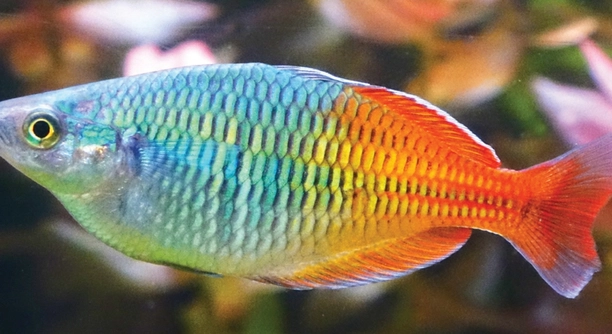
Rainbow fish are fascinating creatures known for their vibrant colors and active behavior. You may have observed their reactions when shadows appear on the glass, but have you ever wondered what triggers this response?
Rainbow fish react to shadows on the glass because they perceive them as potential threats. This instinctive behavior is a survival mechanism that helps them remain alert to their environment. Shadows mimic the presence of predators, causing them to retreat.
Understanding this behavior can offer insights into the fish’s natural instincts and help improve the way we care for them.
Why Do Rainbow Fish React to Shadows?
Rainbow fish are naturally curious, often swimming close to the glass of their tanks. When a shadow falls across the tank, their immediate reaction is often to dart away. This behavior is driven by their instinct to stay safe. In the wild, shadows might signify the presence of a predator. This sensitivity to movement and changes in light helps them survive by keeping them alert to possible threats. The shadow on the glass can be a result of various factors, including changes in the room’s lighting or movement outside the tank.
Shadows are an environmental trigger, prompting a reflex to avoid danger. This is why rainbow fish will often swim away quickly when one appears. Their natural instinct is to react to potential threats, even if they are harmless.
To minimize this reaction, it’s important to ensure the tank is in a well-lit area and the lighting is consistent. Sudden shadows or darkened areas in the tank can make your fish feel uneasy.
How Lighting Affects Their Behavior
Lighting plays a key role in how rainbow fish perceive their environment. When light changes rapidly or becomes inconsistent, it can trigger a response. These fish are sensitive to any disruption in their surroundings, and lighting changes are perceived as potential threats.
Fish rely heavily on their visual perception to detect movement in their environment. Inconsistent lighting can mimic the shifting of predators, which may cause them to react by hiding or swimming away. It’s crucial to maintain stable lighting to prevent unnecessary stress on your rainbow fish. This allows them to feel more secure in their environment.
Avoid placing the tank near windows or areas where sunlight fluctuates. A steady, gentle light source is ideal. This reduces sudden shadows, offering the fish a more predictable environment where they can feel safe. Keeping the lighting even will not only help reduce stress but also promote healthier behavior in your rainbow fish.
Managing Shadows on the Glass
Shadows on the glass can be a frequent cause of distress for rainbow fish. While they can be an inevitable part of their environment, it’s important to control how they occur. Recognizing the source of shadows can help in minimizing their effect.
Shadows are often caused by movement around the tank, such as people walking by or pets moving nearby. Even slight shifts in the light from a window can cause a shadow to form. By being mindful of these factors, you can reduce the frequency of shadow-induced reactions. You might consider adjusting the tank’s position or the room’s lighting setup to minimize this.
To prevent shadows from startling your rainbow fish, try positioning the tank away from doorways or high-traffic areas. Avoid large furniture or other objects that might cast unpredictable shadows. A consistent lighting setup and careful planning of the tank’s location can lead to a calmer, more stable environment for your fish.
Tank Placement and Environment
The position of the tank has a direct effect on the fish’s behavior. Placing it in an area with fluctuating light or constant movement can cause stress. A stable, predictable environment is key to ensuring the fish feel safe and comfortable.
By placing the tank in a quiet, low-traffic area, you can help reduce the chances of shadows being cast on the glass. Ideally, this should be a space with minimal external light changes. This way, your fish can experience a more relaxed environment where sudden movements or light shifts won’t trigger their reflexive reactions.
Impact of Tank Decorations
Decorations in the tank can help provide hiding spots for your fish, offering them a sense of security. Plants, rocks, and other structures can reduce the stress caused by sudden movements or shadows, allowing your fish to retreat when they feel threatened.
Tank decorations are not only for aesthetic purposes but also serve as crucial stress-relievers for the fish. They create a more natural environment that mimics the fish’s natural habitat. By adding elements like plants or rocks, you give your fish areas to hide and reduce their immediate reaction to shadows, allowing them to feel more at ease.
Consistency in Care
Consistency in how you care for your tank is essential for minimizing stress in your rainbow fish. Regular maintenance, a steady feeding schedule, and stable water conditions help keep your fish calm. Any changes in routine can cause anxiety.
By sticking to a regular cleaning and feeding schedule, your fish will grow accustomed to their environment and become less sensitive to minor changes, like shadows. This predictability provides them with a sense of security, reducing their stress levels and allowing them to thrive in their space.
FAQ
Why do rainbow fish react to shadows on the glass?
Rainbow fish react to shadows because they perceive them as potential threats. Shadows mimic the presence of predators in their natural environment, triggering a survival instinct to retreat and protect themselves. This is a reflex that helps them stay alert and safe from harm.
Can I prevent rainbow fish from reacting to shadows?
You can minimize the reaction by controlling the environment around the tank. Position the tank away from areas with high foot traffic, and make sure there are no unpredictable changes in light, such as sunlight or artificial light flickers. A steady, calm environment will help reduce their stress.
Are sudden movements around the tank stressful for rainbow fish?
Yes, sudden movements can be stressful for rainbow fish. They are sensitive to their surroundings, and quick movements might make them feel threatened, especially if accompanied by a shadow. Keeping movement around the tank minimal will help your fish feel more secure.
How does lighting affect rainbow fish in the tank?
Lighting directly impacts how rainbow fish perceive their environment. Inconsistent or changing light can make the fish feel uneasy, as it may mimic the presence of predators. A steady, soft light source reduces stress and helps maintain a more comfortable environment for them.
Should I be concerned if my rainbow fish hide after seeing a shadow?
It is normal for rainbow fish to hide when they detect a shadow, as they associate it with danger. If they hide briefly, it’s usually a sign that they’re reacting to a perceived threat. However, if the hiding becomes frequent or prolonged, it could indicate ongoing stress, and you may want to assess the tank’s environment.
Is it safe to keep rainbow fish in a tank with bright lights?
Bright lights are not harmful in moderation, but excessive brightness or harsh lighting can cause stress. It’s important to balance the lighting so it isn’t too intense. Consider using dimmer lights or a natural light cycle to keep the tank’s environment calm and comfortable for the fish.
Can rainbow fish get used to shadows over time?
Rainbow fish can get used to a consistent environment, including the shadows cast by natural and artificial light. However, sudden changes in light or movement might continue to trigger their instinctual reactions. If the tank’s lighting is consistent, the fish will likely adapt and feel more comfortable over time.
Does the tank’s size affect how rainbow fish react to shadows?
The size of the tank can influence the behavior of rainbow fish. A larger tank gives them more space to retreat, reducing stress when they react to shadows. In smaller tanks, they may feel confined, which can make them more sensitive to perceived threats. A spacious tank helps them feel more secure.
Can rainbow fish see better in low light?
Rainbow fish generally prefer a well-lit environment as it helps them feel more secure and comfortable. However, too much light or fluctuating lighting can make them nervous. A balanced light setting that mimics their natural environment is best for their health and well-being.
Do other fish species react to shadows in the same way?
Many fish species, not just rainbow fish, react to shadows in similar ways. Shadows are often perceived as potential threats in the wild, and this instinct is common among various species. While some fish may be less reactive, many will show signs of stress when shadows appear.
Can I use tank decorations to help my rainbow fish feel more comfortable?
Yes, adding decorations such as plants, rocks, and hiding spots can make your rainbow fish feel safer. These elements mimic their natural environment and provide areas for the fish to retreat when they feel threatened by shadows. A well-decorated tank can reduce stress and promote more natural behavior.
What is the best type of lighting for rainbow fish?
The best lighting for rainbow fish is soft, consistent, and mimics natural daylight. Avoid harsh or fluctuating lights, as these can cause stress. LED lights with adjustable brightness are a good choice, as they allow you to control the intensity and create a comfortable environment for your fish.
Are rainbow fish more reactive to shadows than other types of fish?
Rainbow fish are not necessarily more reactive to shadows than other species, but like many fish, they are highly sensitive to changes in light and movement. Their response may seem more pronounced because they are often active and visibly responsive to their environment. Other species may react similarly, depending on their environment and sensitivity.
Can rainbow fish get stressed from too much light?
Yes, excessive light can cause stress in rainbow fish. While they do need light to feel secure, prolonged exposure to bright or intense light can lead to anxiety. It’s important to create a light cycle that allows for periods of rest and dimmer lighting to help them feel at ease.
How often should I adjust the lighting in my rainbow fish tank?
The lighting in your rainbow fish tank should mimic the natural day-night cycle. A 12-hour light cycle with 12 hours of darkness is ideal. This helps to establish a routine for your fish, reducing their sensitivity to sudden lighting changes. Adjusting the light cycle based on the time of year or tank needs can also be helpful.
Do rainbow fish need total darkness at night?
Rainbow fish do not need total darkness at night, but they do benefit from a period of darkness to simulate natural rest. It’s important to provide a consistent light-dark cycle. This allows them to rest properly and reduces stress, helping maintain their overall health.
Final Thoughts
Understanding why rainbow fish react to shadows on the glass helps in creating a more comfortable environment for them. These fish are naturally sensitive to changes in light and movement, which triggers their instinct to hide. Shadows often mimic the presence of predators, causing them to feel threatened. By recognizing this behavior, fish owners can take simple steps to reduce stress and improve the overall well-being of their fish.
One of the most effective ways to reduce the stress caused by shadows is to stabilize the environment around the tank. This includes controlling lighting, minimizing sudden movements, and placing the tank in a quiet area with minimal disturbances. Consistent light and a predictable routine will help the fish feel secure, making them less likely to react to shadows. Regular maintenance of the tank, including water quality and cleanliness, also plays a crucial role in keeping the fish healthy and stress-free.
Ultimately, rainbow fish are highly adaptable and can thrive in a controlled, stable environment. Understanding their reactions to shadows is just one step in ensuring their long-term health. By focusing on the lighting, tank placement, and overall care routine, you can create a space where your fish feel safe and comfortable. Regular observation and small adjustments can go a long way in maintaining their happiness and reducing stress-related behaviors.

Hello,
If you enjoy the content that we create, please consider saying a "Thank You!" by leaving a tip.
Every little bit helps us continue crafting quality advice that supports the health, happiness, and well-being of pets around the world, for pets of all shapes, sizes, and species.
We really appreciate the kindness and support that you show us!