
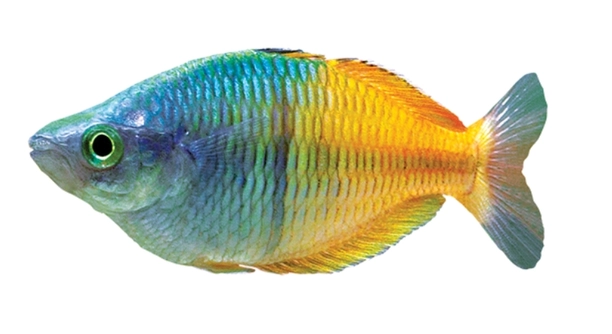
Rainbow fish are a popular choice for aquariums due to their vibrant colors. While their beauty is captivating, many wonder about their behavior. Do they know when it’s morning? Understanding this can reveal interesting insights into their daily rhythms.
Rainbow fish, like many animals, rely on light cues to regulate their circadian rhythms. Studies show that they can detect changes in light, which signals the beginning of the day, influencing their behavior and activity patterns.
Exploring the mechanisms behind these daily cues helps us understand their biological clocks and how they adapt to their environments.
The Science Behind the Rainbow Fish’s Ability to Sense Time
Rainbow fish have a strong reliance on external light sources to regulate their internal clocks. As they live in shallow waters, the changing light throughout the day plays a key role in their behavior. They can detect variations in light intensity, which triggers the release of hormones that help manage their sleep-wake cycle. The circadian rhythm, or biological clock, is crucial for their daily routines, including feeding, swimming, and rest. Over time, these behaviors have evolved to match the natural rhythm of the day.
Light isn’t the only factor at play. Temperature and water quality also affect their activity patterns, although light remains the most dominant cue for their internal clocks.
The connection between light and circadian rhythms is well-established across many species. For rainbow fish, the shift in daylight signals the start of morning activity. The amount of sunlight they receive can dictate when they are most active and when they rest.
How Light Affects Rainbow Fish
Temperature and water conditions also influence their rhythms. When these factors are ideal, their activity levels increase.
While light cues are primary for these fish, it’s important to understand how their natural habitat impacts them. Changes in water temperature or even the presence of certain plants can alter their biological responses.
The Role of Aquarium Lighting
The lighting in an aquarium is crucial for maintaining the health of rainbow fish. Mimicking natural light patterns can help regulate their biological clocks. Too much artificial light or inconsistent lighting can disrupt their sleep cycles, leading to stress and potential health issues.
Using a timer for the aquarium light can simulate day and night cycles. This setup ensures that the fish experience natural periods of light and darkness, much like they would in the wild. Without a proper light schedule, rainbow fish may become disoriented or inactive. Ensuring that they get enough rest is vital for their overall well-being.
If you’re noticing irregular behavior in your rainbow fish, check the lighting. A proper light-dark cycle is essential for their routine. Fish that don’t get this rhythm may experience stress and may even stop feeding properly. Healthy lighting is a small but important step in keeping them comfortable.
How Water Temperature Impacts Behavior
Water temperature is another factor influencing rainbow fish activity. Changes in temperature can cause the fish to become more or less active depending on whether the water is warmer or cooler.
Rainbow fish are more active in water that is closer to their natural temperature range. If the water is too cold or too warm, they may become sluggish and less responsive to external cues. A stable, warm temperature helps them feel secure and more likely to follow their natural routines. Maintaining the right temperature encourages healthy activity levels and behavior patterns.
For the best results, aim for a water temperature that mirrors their natural habitat, typically between 75°F and 80°F. Consistent water conditions, including temperature, promote a stable internal clock and prevent unnecessary stress.
Understanding Fish Behavior in Different Lighting
Fish behavior can change significantly depending on the light. In brighter light, rainbow fish are more likely to be active and explore their surroundings. However, in dimmer light, they may become calmer or less visible.
Overexposure to artificial light can cause them stress. Keeping lighting at moderate levels can help maintain a healthy balance for the fish. They thrive in natural lighting conditions that vary between day and night.
Rainbow Fish’s Reaction to Consistent Day-Night Cycles
Rainbow fish, like many species, respond well to a predictable day-night rhythm. This regularity helps them stay active during the day and rest at night.
A consistent light schedule supports the overall health of the fish. With a reliable cycle, the fish can better regulate their circadian rhythms. It helps in their feeding patterns, activity levels, and general behavior. Regular light patterns are key to their well-being.
FAQ
Do rainbow fish need light at night?
Rainbow fish do not require constant light. They need a natural light-dark cycle to maintain their biological rhythm. At night, it is best to keep the aquarium dark to allow the fish to rest. This helps regulate their circadian rhythm and promotes healthy behavior patterns.
How much light should I provide for rainbow fish?
Rainbow fish generally thrive with around 8-12 hours of light per day. This mimics their natural habitat where light changes throughout the day. Overexposing them to light for long periods can cause stress, so it’s important to ensure they have a period of darkness each night.
Can rainbow fish adapt to low light?
Rainbow fish can adapt to lower light conditions, but they may not be as active. In very low light, they may spend more time hiding or resting. It’s important to balance light levels to avoid both too much brightness and insufficient light.
What is the ideal water temperature for rainbow fish?
Rainbow fish prefer water temperatures between 75°F and 80°F. Maintaining this range helps them stay active and healthy. Water that is too cold or too warm can lead to stress or inactivity, disrupting their natural behavior and biological rhythms.
Do rainbow fish sleep at night?
Yes, rainbow fish do sleep, and they do so during the night. When the lights are off, they rest in a stationary position, often near plants or decorations. This nighttime rest is important for their overall health and energy levels during the day.
How do rainbow fish react to sudden changes in lighting?
Sudden changes in lighting can confuse or stress rainbow fish. They may become disoriented, hiding more frequently or appearing less active. It’s best to adjust the light gradually to allow them time to adapt.
Do rainbow fish need a light timer?
Yes, using a light timer is highly recommended. This ensures a consistent day-night cycle for your rainbow fish. A light timer can automatically turn the lights on and off, simulating natural conditions that help regulate their behavior and biological rhythms.
Can rainbow fish recognize the difference between day and night?
Rainbow fish can definitely recognize the difference between day and night. Their biological clocks are regulated by changes in light, allowing them to distinguish between the two. This helps them maintain a healthy activity-rest cycle.
How does lighting affect their feeding behavior?
Lighting can influence rainbow fish’s feeding behavior. They tend to be more active and responsive to feeding during the day when the light is on. A consistent light schedule helps them develop a predictable feeding routine, which supports their overall health.
Are rainbow fish sensitive to fluctuating light intensity?
Yes, rainbow fish can be sensitive to fluctuations in light intensity. Sudden changes in light levels can cause stress, impacting their activity and feeding habits. Maintaining steady lighting is important for their well-being.
What is the best way to simulate natural light for rainbow fish?
To simulate natural light, use aquarium lights with adjustable settings. These lights can mimic the gradual changes in light intensity that occur during dawn and dusk. This setup helps to maintain the fish’s natural rhythms and supports their health.
Do rainbow fish have a preference for light color?
Rainbow fish prefer white or blue light, which is closer to the natural light they experience in the wild. Colored lights, especially red or yellow, can cause stress. Stick with natural, clear lighting to keep your fish comfortable.
Is it okay to leave the aquarium light on all day?
Leaving the aquarium light on all day is not ideal. Rainbow fish need periods of darkness to rest and recharge. A continuous light cycle can lead to stress and disrupt their natural rhythms. A proper light schedule is essential for their well-being.
Can rainbow fish adjust to artificial light?
Rainbow fish can adjust to artificial light, but it should mimic the natural light they would experience in their native habitat. Too much intense artificial light can cause stress, so it’s important to maintain a balance and avoid overexposure.
How long does it take for rainbow fish to adjust to new lighting?
It can take a few days for rainbow fish to adjust to new lighting conditions. Gradually adjusting the light intensity and duration helps them adapt without causing stress. Over time, they will establish a routine based on the new light patterns.
Do rainbow fish have a preferred time to be fed?
Rainbow fish often prefer to be fed when the light is on, as they are more active during the day. Feeding during daylight hours helps maintain their natural routines, but it’s important to keep a consistent feeding schedule.
What happens if I don’t provide a proper light cycle for rainbow fish?
Without a proper light cycle, rainbow fish may become stressed or disoriented. This can lead to changes in their activity levels, feeding habits, and overall health. A consistent light schedule is crucial for maintaining their biological rhythms.
Can rainbow fish live in a tank with no light?
Rainbow fish can survive in a tank with no light, but it’s not ideal for their well-being. They rely on light cues to regulate their circadian rhythms. Without light, they may become lethargic or less active, and their health can decline over time.
Is it okay to have bright lighting in a tank with rainbow fish?
Bright lighting can stress rainbow fish if it’s too intense or prolonged. It’s better to use moderate lighting levels that mimic natural light. Bright lights can cause them to hide more often or become agitated, negatively impacting their behavior.
How do I know if my rainbow fish are stressed from light?
If your rainbow fish are stressed from light, they may hide more often, swim erratically, or appear inactive. They may also refuse to feed. Keeping lighting levels consistent and ensuring a proper day-night cycle can help reduce stress and keep them healthy.
Final Thoughts
Rainbow fish, like all aquatic creatures, thrive when their environment mirrors natural conditions. Lighting, water temperature, and the regular day-night cycle are essential for their well-being. These factors help maintain their biological rhythms, which in turn influence their activity levels, feeding habits, and overall health. It’s important to recreate an environment where they feel comfortable, secure, and stress-free, as this leads to a happier, healthier fish.
While rainbow fish are adaptable, they rely on consistency to stay in good health. Sudden changes in their environment, especially lighting or temperature fluctuations, can cause them stress. This stress may lead to disruptions in their behavior, including feeding issues and inactivity. Maintaining a stable routine with appropriate lighting schedules and temperature ranges is key to ensuring their comfort. Additionally, it is crucial to monitor their behavior regularly to spot any signs of distress or discomfort.
By taking small but consistent steps to meet their needs, you’ll create an ideal setting for your rainbow fish to flourish. Proper lighting, along with a steady day-night cycle, helps regulate their natural rhythms, ensuring they are active during the day and rest at night. Consistent water temperature also plays a critical role, promoting healthy behavior and preventing stress. Ultimately, when these factors are carefully considered and maintained, you’ll ensure that your rainbow fish live a long, healthy, and happy life.

Hello,
If you enjoy the content that we create, please consider saying a "Thank You!" by leaving a tip.
Every little bit helps us continue crafting quality advice that supports the health, happiness, and well-being of pets around the world, for pets of all shapes, sizes, and species.
We really appreciate the kindness and support that you show us!