
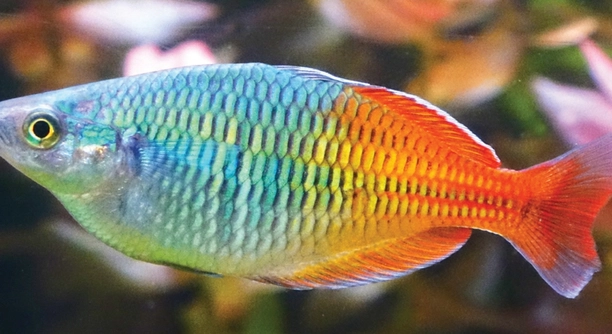
Rainbow fish are known for their vibrant colors and playful movements. However, if you’ve observed them fidgeting in place, it might be more than just a quirk. Understanding this behavior is key to caring for these fascinating creatures.
Rainbow fish may fidget in place as a result of stress, water quality issues, or a lack of proper environmental stimulation. These fish are sensitive to their surroundings, and such behavior could indicate discomfort or an attempt to adapt to their environment.
Addressing these factors can help improve your fish’s well-being and encourage more natural behavior.
Reasons Rainbow Fish Might Fidget
Rainbow fish fidgeting in place is often a sign of discomfort. This behavior can stem from poor water conditions, lack of space, or inappropriate tank mates. As naturally active fish, they require an environment that mimics their natural habitat to feel secure and thrive.
Ensuring the water is clean and free from toxins is essential for preventing stress in your rainbow fish. Regular water changes and maintaining proper filtration are vital for a healthy tank environment. Additionally, providing ample swimming space and appropriate tank companions can help reduce stress and avoid this fidgeting behavior.
Rainbow fish are also known for their sensitivity to water temperature and pH levels. Even slight fluctuations can cause them to act out, so monitoring these factors regularly is key. If the water is too warm or cold, or if the pH is off, it can result in the fish staying in one spot for long periods. Stress can manifest in various ways, including fidgeting, as the fish tries to adjust to their environment. Ensuring a stable and clean tank is the first step in addressing this issue.
How to Create the Right Environment
The best way to avoid rainbow fish fidgeting is by providing an optimal habitat. A well-maintained tank with proper water parameters helps create a peaceful environment.
Rainbow fish need space to move freely and a varied environment to explore. Providing plants, rocks, and hiding spots offers them areas to rest or explore. Avoid overcrowding the tank, as this can cause stress and lead to behavior like fidgeting. Fish also benefit from stable water conditions, including a consistent temperature, pH, and hardness. Make sure to test the water regularly and make necessary adjustments to maintain a healthy environment.
Tank Mate Compatibility
Rainbow fish can become stressed if housed with incompatible tank mates. Aggressive or overly territorial fish can cause them to feel threatened, which may lead to fidgeting or unusual behavior. Choosing peaceful species is crucial for maintaining a calm tank.
If you have other fish in the tank, ensure they are compatible with rainbow fish. Ideal tank mates include peaceful species like tetras, guppies, and corydoras. Avoid keeping them with large or aggressive fish that may bully or stress them. Also, be mindful of the number of fish in the tank. Overcrowding can reduce space for the rainbow fish, which also leads to stress.
Sometimes, rainbow fish may fidget because they feel crowded or threatened by other fish. In these cases, adding more plants or decorations can help create natural barriers, giving the rainbow fish spaces to hide and feel secure. Ensuring each fish has enough room will reduce tension and allow for more natural behavior. When tank mates are properly chosen, rainbow fish will likely feel less stressed and more comfortable in their environment.
Water Quality and Filtration
Poor water quality is one of the leading causes of stress for rainbow fish. Dirty water, high ammonia, or low oxygen levels can lead to fidgeting or erratic behavior. Proper filtration and regular water changes are essential.
Keeping the water clean is vital for your rainbow fish’s health. Ensure your tank has a reliable filtration system to keep the water clear and free from harmful substances. Regularly check water parameters like ammonia, nitrites, and nitrates to avoid unhealthy levels. A good filter helps maintain water circulation and oxygenation, preventing stress-related behaviors.
Temperature and pH Stability
Rainbow fish require stable water temperatures and pH levels. Fluctuations in either can cause discomfort and result in fidgeting behavior. Keeping the temperature consistent and adjusting the pH when needed can improve their overall well-being.
FAQ
Why do rainbow fish fidget in place?
Rainbow fish may fidget in place due to stress or discomfort caused by poor water quality, unsuitable tank mates, or lack of proper space. Stress from environmental factors such as fluctuating water temperature, high levels of ammonia, or overcrowded tanks can cause them to stay in one spot. These fish are naturally active, and when they’re not feeling secure or comfortable, they may show signs like fidgeting.
How can I reduce stress in my rainbow fish?
To reduce stress, maintain a clean tank with proper filtration and regular water changes. Ensure the water is stable, with consistent temperature and pH levels. Avoid overcrowding and provide plenty of space for the fish to swim. Additionally, add plants, rocks, or decorations to create hiding spots and reduce tension. Providing peaceful tank mates will also help keep them calm.
What water temperature is best for rainbow fish?
Rainbow fish prefer a water temperature between 74°F and 78°F (23°C to 26°C). Maintaining a consistent temperature within this range is essential for their health. Fluctuations in temperature can cause stress, leading to abnormal behaviors such as fidgeting. Using a reliable heater and thermometer can help keep the temperature stable.
What pH level is ideal for rainbow fish?
Rainbow fish thrive in slightly acidic to neutral water, with a pH range of 6.5 to 7.5. A stable pH level within this range supports their health and prevents stress. Regularly test the water to ensure the pH stays within the optimal range. Adjusting the pH if it falls outside the ideal range can help reduce stress and prevent fidgeting behavior.
Can overcrowding cause rainbow fish to fidget?
Yes, overcrowding can lead to stress in rainbow fish, causing them to fidget or exhibit other abnormal behaviors. They need ample space to swim and explore. Overcrowding increases competition for space and resources, leading to stress and reduced overall health. Ensure there is enough room for each fish, typically 1 inch of fish per gallon of water.
How do I choose tank mates for rainbow fish?
Rainbow fish are peaceful, but they need compatible tank mates. Choose fish that are similar in size and temperament, avoiding aggressive or overly territorial species. Tetras, guppies, and corydoras are good choices. Avoid keeping them with large or aggressive fish, which can cause stress and lead to fidgeting.
Can rainbow fish live with other species?
Yes, rainbow fish can live with other species as long as they are compatible. It’s important to select tank mates that are not aggressive or territorial. Peaceful species such as other small fish or community fish work well. Ensure that the tank is not overcrowded and that there is enough space for everyone to feel comfortable.
How often should I perform water changes in a rainbow fish tank?
Water changes should be done regularly to maintain water quality and prevent stress. It’s recommended to change 10-15% of the water every week or 20-25% every two weeks, depending on the tank’s size and number of fish. Regular water changes help remove toxins and maintain a healthy environment.
What size tank is suitable for rainbow fish?
Rainbow fish are active swimmers and require ample space. A tank of at least 30 gallons is recommended for a small group of rainbow fish. Larger tanks provide more room to swim and allow for a more stable environment, which helps reduce stress and the chances of fidgeting behavior.
Do rainbow fish need a lot of plants in their tank?
Yes, rainbow fish benefit from plants in their tank. Plants provide hiding spots, which can help them feel more secure and reduce stress. They also offer natural beauty and contribute to better water quality by absorbing excess nutrients. However, avoid overcrowding the tank with too many plants, as this could limit swimming space.
Can rainbow fish fidget due to poor nutrition?
Poor nutrition can contribute to stress in rainbow fish, although it’s not typically the main cause of fidgeting. Ensure that your fish are fed a balanced diet, including high-quality flakes, pellets, or frozen foods that meet their dietary needs. Malnourished fish may display unusual behaviors, including fidgeting.
What other behaviors might indicate stress in rainbow fish?
In addition to fidgeting, other signs of stress in rainbow fish include unusual swimming patterns, hiding more than usual, or loss of color vibrancy. Fish that appear lethargic or are not eating properly may also be experiencing stress. Monitor water conditions closely to ensure that environmental factors are not contributing to the problem.
Are rainbow fish social creatures?
Yes, rainbow fish are social creatures and prefer to be kept in groups. Keeping at least 3-5 rainbow fish together can help them feel more secure and reduce stress. When kept in groups, they are less likely to exhibit signs of stress, including fidgeting, and will display more natural behavior.
How can I tell if my rainbow fish is healthy?
A healthy rainbow fish will have vibrant colors, smooth scales, and an active swimming pattern. It will eat regularly and interact with other fish in a peaceful manner. Any changes in behavior, such as fidgeting, lethargy, or loss of color, may indicate stress or health issues. Keep a close eye on your fish and address any problems quickly.
Can rainbow fish fidget due to illness?
Yes, illness can cause rainbow fish to fidget. If your fish is fidgeting along with other signs of illness, such as lethargy, loss of appetite, or discoloration, it’s important to check for potential health issues. Infections, parasites, or other diseases could be the cause, and proper treatment should be administered promptly.
Do rainbow fish fidget when they’re bored?
Yes, boredom can contribute to fidgeting in rainbow fish. They are active and curious creatures that need stimulation. If the tank lacks hiding spots, plants, or decorations, rainbow fish may become restless. Providing a more interesting environment can help keep them engaged and reduce signs of boredom, like fidgeting.
How can I improve my rainbow fish’s environment to prevent fidgeting?
To prevent fidgeting, provide plenty of space for swimming, and include plants, rocks, and decorations to create an engaging environment. Ensure that the water conditions are stable, with proper filtration, temperature, and pH levels. Keep the tank free from aggressive fish, and regularly test the water quality to maintain a healthy environment.
Can rainbow fish fidget if they feel threatened by me?
Yes, rainbow fish may fidget if they feel threatened or stressed by their surroundings, including your presence. Avoid sudden movements around the tank, as this can cause the fish to feel anxious. Over time, they may become more accustomed to you, but minimizing stressors in the tank will help keep them calm.
What should I do if my rainbow fish continues to fidget?
If your rainbow fish continues to fidget despite addressing water quality, tank mates, and other environmental factors, it may be necessary to consult a veterinarian or an aquarium specialist. They can help diagnose any underlying health issues or recommend additional solutions to help your fish feel more comfortable.
Final Thoughts
Understanding why rainbow fish might fidget in place is essential for keeping them healthy and happy. These fish are typically peaceful and active, but when they exhibit strange behaviors like staying in one spot, it’s often a sign of stress. Environmental factors such as poor water quality, fluctuating temperatures, or the presence of aggressive tank mates can cause them to feel unsettled. Regular water changes, proper filtration, and stable conditions will help minimize stress and encourage normal behavior. Providing enough space, suitable tank mates, and a well-maintained tank can prevent the common causes of fidgeting in rainbow fish.
While rainbow fish are generally low-maintenance, ensuring their tank environment meets their needs is crucial for their well-being. Consistent water quality, appropriate temperature, and suitable pH levels are important for keeping them healthy and preventing unnecessary stress. Adding plants, rocks, and other decorations can also provide hiding spots, helping them feel secure and reducing the chances of fidgeting. A balanced diet and ensuring they are not overcrowded in the tank can also contribute to their overall health and reduce signs of stress.
In conclusion, observing your rainbow fish and understanding their behaviors can go a long way in creating the right environment for them. Fidgeting can be a clear sign that something in their environment is off, whether it’s the water conditions or tank mates. By addressing these issues, you can help your fish thrive and enjoy a more natural, active lifestyle. With the right care, rainbow fish can live happily in your aquarium, providing vibrant color and movement.

Hello,
If you enjoy the content that we create, please consider saying a "Thank You!" by leaving a tip.
Every little bit helps us continue crafting quality advice that supports the health, happiness, and well-being of pets around the world, for pets of all shapes, sizes, and species.
We really appreciate the kindness and support that you show us!