
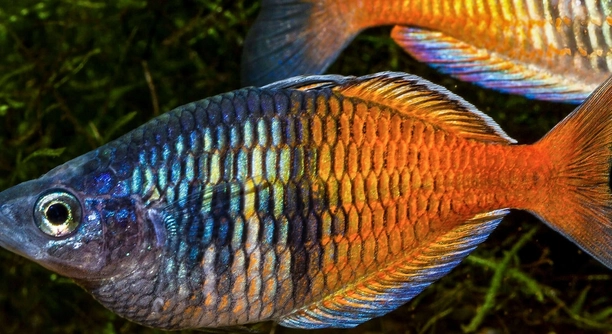
Rainbow fish are popular in aquariums, but they can be picky eaters. Some foods may not interest them or might be ignored altogether. Understanding which foods they skip can help you make better feeding choices.
Rainbow fish may ignore certain foods due to their unique dietary preferences and natural instincts. For example, foods that are too large or not nutrient-dense might not appeal to them. Offering small, high-quality options can improve their feeding habits.
Knowing which foods rainbow fish tend to ignore helps in creating a more effective feeding routine. Keeping their diet balanced and interesting ensures their health and satisfaction.
Foods That Are Too Large for Rainbow Fish
Rainbow fish are small and prefer foods that are manageable in size. When the food is too large, they might not even attempt to eat it. Foods like large pellets, whole worms, or large chunks of fish are often ignored. Rainbow fish generally eat smaller pieces, so breaking up larger foods is key to making them more appealing.
Large pieces of food can also cause uneaten food to decay, affecting water quality. It’s best to choose food that’s appropriately sized for their mouth, which ensures proper nutrition and avoids mess in the tank.
Offering foods in smaller portions also helps prevent overeating, which can lead to health issues. The key is to find foods that fit comfortably in their mouths and provide all the necessary nutrients. Consider breaking larger foods into smaller bits or using finely ground options to better meet their needs.
Low-Quality Foods
Rainbow fish thrive on high-quality food options that mimic their natural diet. Low-quality foods may lack the necessary nutrients or have additives that aren’t beneficial. When offered such foods, rainbow fish may ignore them in favor of more nutritious choices.
If the food doesn’t provide the right nutrients, rainbow fish can suffer from malnutrition or poor health. Stick to reputable brands that specialize in tropical fish diets, ensuring they get the right balance of vitamins, minerals, and proteins. Keep an eye on the ingredients to ensure you’re feeding them a diet that closely resembles what they would eat in their natural environment.
Foods With High Fat Content
Foods high in fat can sometimes be ignored by rainbow fish. While fat is important for their diet, too much of it can upset their stomachs or cause health problems. Fatty foods like certain types of worms or oily fish are often left uneaten.
Feeding rainbow fish excessive fatty foods can lead to weight gain and health issues. These fish naturally thrive on a balanced diet of protein, fiber, and occasional fats. High-fat content can also cause digestive problems and affect their overall energy levels. It’s best to limit fatty foods and stick to leaner options to keep them healthy.
Overfeeding fatty foods can also cause the water to become polluted quickly, leading to poor water quality. Keeping their meals balanced and not overly rich in fats helps maintain not only their health but also the health of their tank environment. Opt for high-quality, balanced meals that meet all their nutritional needs.
Unfamiliar or Artificial Flavors
Rainbow fish are sensitive to unfamiliar or artificial flavors in their food. Foods with strong additives or artificial coloring may be ignored because they don’t resemble what they’d naturally eat. These fish prefer foods that closely match their natural diet.
When fish detect unnatural ingredients, they may avoid eating them. Artificial flavors or brightly colored foods often contain chemicals or preservatives that may not appeal to rainbow fish. Over time, feeding them foods with these additives can cause health problems and reduce their overall quality of life.
It’s important to choose natural, high-quality fish food without added dyes or artificial flavors. Offering food that closely resembles the natural prey they would encounter in the wild, like small invertebrates and plant matter, will encourage better eating habits. Keeping their diet natural and free from harmful additives supports their health and longevity.
Freeze-Dried Foods
Rainbow fish often ignore freeze-dried foods, like freeze-dried brine shrimp or bloodworms. Although convenient, these foods lack moisture and natural flavors, which can make them less appealing. Most rainbow fish prefer live or frozen food with more natural textures and flavors.
Freeze-dried foods can also be difficult to digest and offer fewer nutrients than fresh options. They are often less palatable to rainbow fish, leading to them being left untouched in the tank. While convenient, freeze-dried foods should not be a mainstay in their diet. Use them sparingly as an occasional treat.
Foods That Are Too Hard
Rainbow fish can struggle with hard foods, especially if they are offered large, tough pellets. Hard foods that are difficult for them to break down may be ignored or left floating in the tank. Softening these foods or offering more easily digestible options is a better choice.
FAQ
What types of food do rainbow fish prefer?
Rainbow fish generally prefer high-quality foods that closely resemble their natural diet, such as small invertebrates, live or frozen foods, and finely ground pellets. They thrive on foods with a balance of protein, vitamins, and minerals, offering a mix of plant matter and animal-based proteins.
Can rainbow fish eat vegetables?
Yes, rainbow fish can eat vegetables. They enjoy plant matter like spinach, peas, and zucchini, especially when chopped or softened. Vegetables provide important nutrients, including fiber, that help support their digestive health. Just make sure to blanch or soften them to make them easier to consume.
How often should I feed my rainbow fish?
Rainbow fish should be fed 2 to 3 times per day in small portions. It’s important not to overfeed them, as leftover food can pollute the water. Offer small meals that they can consume within a few minutes to maintain a healthy feeding routine and prevent waste buildup.
Can rainbow fish eat flake food?
Rainbow fish can eat flake food, but it should not be their primary source of nutrition. Flakes are convenient but often lack the necessary nutrients and variety that live or frozen foods provide. If you feed flakes, make sure they are high-quality and supplement them with live or frozen options.
Are rainbow fish picky eaters?
Rainbow fish can be picky, especially when it comes to food texture and flavor. They may reject foods that are too large, too fatty, or have artificial flavors. They tend to prefer smaller, natural foods with a higher moisture content, like live or frozen foods.
Can I feed my rainbow fish shrimp?
Yes, rainbow fish can eat shrimp, but it should be offered in small, manageable pieces. They enjoy various types of shrimp, including brine shrimp and ghost shrimp. Both live and frozen shrimp are excellent sources of protein, helping them stay healthy and active.
What foods should I avoid feeding rainbow fish?
Avoid feeding rainbow fish overly fatty or large foods, as well as freeze-dried foods, which are often hard to digest. It’s also best to avoid foods with artificial coloring or preservatives, as these can be unhealthy for rainbow fish over time. Stick to natural, balanced options for the best results.
Can rainbow fish eat live food?
Rainbow fish can eat live food and generally prefer it. Live food, like brine shrimp, daphnia, or small worms, mimics what they would encounter in the wild. It’s a great source of nutrition and provides them with the variety they need to stay healthy.
How can I ensure my rainbow fish get a balanced diet?
To ensure your rainbow fish get a balanced diet, feed them a variety of high-quality foods. Combine live, frozen, and pellet foods, offering small portions multiple times a day. Include both plant-based foods and animal proteins to cover all their nutritional needs.
Do rainbow fish need protein in their diet?
Yes, protein is essential for rainbow fish. It helps maintain muscle growth and overall health. Live and frozen foods, such as brine shrimp or bloodworms, are excellent sources of protein. Ensure your rainbow fish get enough protein in their diet for energy and vitality.
Can rainbow fish eat too much?
Rainbow fish can overeat if fed too frequently or too much food at once. This can lead to digestive issues and contribute to poor water quality. Feed them small portions that they can eat within a few minutes, and avoid leaving leftover food in the tank.
Is it okay to feed rainbow fish frozen food?
Yes, frozen food is a great option for rainbow fish. Foods like frozen brine shrimp, daphnia, and bloodworms are perfect for providing essential nutrients. Always thaw the food before offering it to your fish to ensure they can easily eat it. Frozen food is nutritious and highly appealing.
How do I know if my rainbow fish are eating enough?
You’ll know your rainbow fish are eating enough if they remain active and healthy. They should eagerly swim towards food during feeding times and finish their meals within a few minutes. If you notice uneaten food left behind, you may be overfeeding them.
Final Thoughts
Rainbow fish are relatively easy to care for, but their diet plays a crucial role in maintaining their health and vitality. Providing them with a variety of high-quality foods will ensure they get the right nutrients for growth and energy. While they may ignore certain foods, it’s important to understand their preferences and offer options that suit their natural diet. Small, fresh, or frozen foods like brine shrimp, bloodworms, and vegetables are often their favorites. Always remember to feed in small portions to avoid excess waste in the tank.
It’s essential to avoid feeding rainbow fish overly fatty or large foods, as these can lead to health issues such as poor digestion or weight gain. Freeze-dried foods, while convenient, should not make up a large portion of their diet. Likewise, foods with artificial colors or flavors may not appeal to them and can sometimes cause digestive problems. By sticking to more natural food sources, you’ll keep your rainbow fish happy and healthy for years to come.
In conclusion, feeding rainbow fish requires attention to the quality and variety of their food. They thrive on a balanced diet that includes proteins, plant matter, and essential vitamins. Offering them a mix of live, frozen, and quality pellet foods will help mimic their natural feeding habits and improve their overall well-being. Regular feeding in appropriate amounts ensures they get the nutrients they need without overfeeding or polluting the tank. By keeping their diet natural and varied, your rainbow fish will flourish in your aquarium.

Hello,
If you enjoy the content that we create, please consider saying a "Thank You!" by leaving a tip.
Every little bit helps us continue crafting quality advice that supports the health, happiness, and well-being of pets around the world, for pets of all shapes, sizes, and species.
We really appreciate the kindness and support that you show us!