
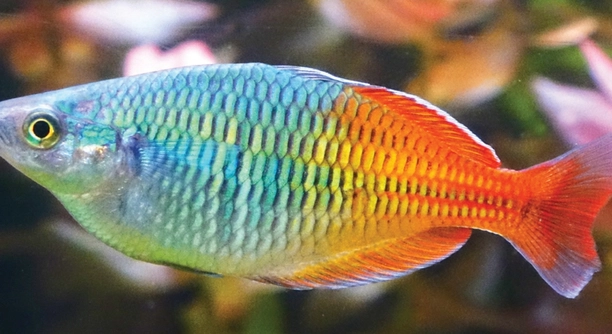
Rainbow fish are known for their stunning colors, but their swimming habits may surprise you. These fish are more active during the night, making their behavior unique compared to other species. Let’s explore why.
Rainbow fish exhibit nocturnal behavior primarily due to their natural habitat. In the wild, they are often found in areas with limited light, such as deeper waters or shaded environments. This behavior helps them avoid predators and adapt to the environment.
Understanding the reasons behind their nighttime swimming will offer insight into their survival tactics. This knowledge will help you better appreciate the unique ways rainbow fish interact with their surroundings.
Why Rainbow Fish Swim at Night
Rainbow fish are often seen swimming at night, a natural behavior that allows them to stay safe from predators. In the wild, these fish are typically found in tropical rivers with dense vegetation and limited light. During the day, they tend to hide among plants or rocks, waiting for nightfall when it’s safer to swim and forage. This nighttime activity is a way to avoid predators that hunt in daylight.
At night, rainbow fish can also take advantage of lower light levels, which helps them feel more secure in their environment. Their bright colors, which may attract predators in the daytime, become less noticeable in the dark. This is particularly important for survival, as the colors that make them beautiful also make them vulnerable to larger predators. Additionally, night swimming allows rainbow fish to find food without the added stress of being hunted.
Over time, this nocturnal behavior has become ingrained in the species. While not all rainbow fish follow this pattern strictly, many prefer the cover of darkness. It’s an instinct that has evolved for their safety and well-being. Understanding this habit gives you a better idea of how to care for them in captivity.
The Importance of Night Swimming for Survival
The primary reason rainbow fish swim at night is for safety. Avoiding predators is essential for their survival, and nighttime provides an ideal shield.
In the wild, various predators target rainbow fish during the day. By being active at night, these fish reduce the likelihood of encountering danger. In addition to the reduced risk, the cooler temperatures and lower light levels at night also make swimming less exhausting. This allows them to conserve energy and stay healthier. If you’re keeping rainbow fish in a tank, it’s important to replicate these conditions. Creating an environment that mimics their natural habitat will encourage them to exhibit their typical nocturnal behavior. You can achieve this by dimming the lights at night or adding plants and hiding spots to help them feel secure. Understanding their nocturnal habits can ensure they thrive in your aquarium.
Why Night Swimming Helps Rainbow Fish Avoid Predators
At night, rainbow fish have a better chance of avoiding predators. Darkness offers them protection, making it harder for larger fish or birds to spot them. This is especially true for species that are brightly colored during the day.
The camouflage effect is crucial for rainbow fish. Their vibrant colors, which attract mates during daylight, can make them visible to predators. In the dark, their colors become less noticeable, reducing the likelihood of being hunted. This behavior is instinctual, ensuring their safety while they go about their daily activities. As a result, rainbow fish have adapted to use the night to their advantage, allowing them to forage, move, and swim without the same level of risk.
This nocturnal activity is vital for their survival, offering both physical protection and emotional security. By swimming at night, rainbow fish can focus on their natural behaviors without the constant threat of danger.
How Artificial Lighting Affects Their Behavior
Artificial lighting can influence rainbow fish’s nocturnal behavior. Bright tank lights or artificial daylight may confuse their natural rhythm, leading them to swim during the day instead of at night. This disrupts their instinctual need for safety.
To help rainbow fish feel secure in an aquarium setting, it’s important to control the lighting. Keeping the tank dim or offering areas with low light allows them to maintain their natural schedule. Without this consideration, the fish may feel exposed, potentially leading to stress or even health issues. Gradually dimming the lights at night can mimic their natural habitat and encourage their nocturnal behavior. It’s also beneficial to introduce hiding spots like plants or rocks, which provide additional shelter for them. This setup not only improves their well-being but also ensures they display their typical nighttime swimming patterns.
How Nocturnal Behavior Helps with Foraging
Rainbow fish are more efficient foragers at night. With fewer threats around, they can spend more time hunting for food without interruption. They rely on their senses to find smaller prey, such as tiny invertebrates or plant matter.
The darkness provides a quieter, safer environment, allowing them to forage without the constant pressure of avoiding predators. They are better able to focus on feeding and searching for food. This nighttime behavior also helps them maintain their energy levels, ensuring they stay healthy and active. By foraging during the night, rainbow fish ensure they have a balanced diet while staying safe.
How to Replicate Night Conditions in Your Aquarium
To support your rainbow fish’s natural behavior, it’s crucial to replicate night conditions in their tank. This can be done by limiting bright artificial lights and ensuring there are plenty of places to hide. Adding plants and rocks provides shelter and security.
By creating a darker environment at night, you allow your rainbow fish to feel more comfortable, encouraging them to swim as they would in the wild. Also, using dim light during the day mimics the natural light cycle they’re accustomed to. This simple adjustment will help them thrive and act naturally, enhancing their well-being.
The Impact of Water Quality on Night Swimming
Water quality plays a significant role in encouraging rainbow fish to swim at night. Clean, stable water with appropriate temperature levels promotes healthy behavior, including nocturnal swimming. Poor water conditions can lead to stress, which disrupts their natural habits.
Ensuring proper filtration and regular water changes is essential for maintaining a healthy environment for your rainbow fish. If the water is too warm or contaminated, they may avoid swimming or hide more often. Keeping the water clean supports their natural behavior, making them feel safe and comfortable to swim at night.
FAQ
Why do rainbow fish swim at night instead of during the day?
Rainbow fish are naturally nocturnal, and their behavior is influenced by their need to avoid predators. In the wild, predators are more active during the day, so swimming at night helps them stay safe. The lower light levels also reduce their visibility, making it easier to avoid being seen. This instinctual behavior helps rainbow fish thrive in their environment by ensuring they can find food without the constant threat of larger fish or birds. By swimming at night, they follow the same natural rhythms they would experience in the wild, making it easier for them to go about their daily activities.
Can rainbow fish be active during the day?
While rainbow fish are naturally nocturnal, they can still be active during the day, especially in a controlled aquarium environment. If the tank lighting is bright and continuous, they may adapt and swim around during the daytime. However, they will likely prefer the night for most of their activity, even if they are active during daylight hours. It’s important to mimic their natural habitat by providing periods of darkness in the tank, as this encourages their natural behavior and allows them to feel secure enough to swim at night.
How can I create a night-like environment for rainbow fish?
Creating a night-like environment for rainbow fish involves adjusting the lighting and tank layout. You can simulate nighttime by reducing the intensity of the lights in the aquarium during the evening hours. Dim the lights gradually in the evening, and allow them to stay low until morning. Adding plants, rocks, and other hiding spots also helps rainbow fish feel secure, as it mimics their natural habitat. These adjustments will encourage them to swim during the night, which is more in line with their natural instincts.
Do rainbow fish need total darkness at night?
Rainbow fish do not require complete darkness at night, but they do need lower light levels to feel secure. In the wild, they are typically found in environments with little to no natural light at night. While total darkness isn’t necessary, dimming the aquarium lights will encourage their nocturnal behavior and provide them with a sense of security. If the lights remain too bright, they may become stressed, which can interfere with their natural cycles and behavior. It’s important to find a balance between providing adequate lighting for the tank and maintaining a comfortable environment for your fish.
How long should rainbow fish be exposed to light each day?
Rainbow fish should be exposed to light for about 10-12 hours each day, similar to their natural light cycle. It’s essential to maintain a consistent day-night cycle to keep their internal rhythms in balance. During the day, the tank can be lit normally, but at night, the lights should be dimmed or turned off to simulate natural nighttime conditions. Using a timer for your aquarium lights can help maintain this routine, allowing the fish to experience a natural cycle that promotes healthy behavior. This consistent schedule encourages them to rest during the night and be more active during their natural swimming times.
Can rainbow fish be kept in a tank with other species?
Yes, rainbow fish can be kept in a tank with other species, but it’s essential to choose tankmates that share similar environmental needs. They prefer peaceful environments and should be housed with non-aggressive species. Avoid keeping them with large or aggressive fish that might stress them out. Ideally, you should select fish that thrive in similar water conditions (temperature, pH, etc.) and have similar activity levels. If you’re planning to house multiple species in the same tank, be mindful of the tank’s size and ensure there’s enough space for everyone to swim comfortably, especially for your rainbow fish to feel safe at night.
What kind of water conditions do rainbow fish prefer?
Rainbow fish prefer clean, slightly acidic to neutral water with a temperature range of 72-79°F (22-26°C). They thrive in well-oxygenated water with a moderate current. Regular water changes and good filtration are essential to keep the water quality high. Stagnant, dirty water can cause stress, affecting their natural behavior, including their nocturnal swimming patterns. It’s also important to maintain stable water parameters, as sudden changes in temperature, pH, or salinity can lead to health issues. Ensuring your rainbow fish have optimal water conditions will help them feel secure and encourage their natural activity patterns.
Why are my rainbow fish hiding during the day?
If your rainbow fish are hiding during the day, it’s likely a sign that they are trying to avoid bright lights or potential stressors. As naturally nocturnal fish, they tend to be more active during the night. If your tank is too bright, they may seek shelter during the day. Consider dimming the lights or providing more hiding places in the aquarium to help them feel secure. Stress caused by poor water quality or incompatible tankmates can also lead to hiding behavior. Ensure that the environment is calm and comfortable, and your fish should feel more at ease.
How can I tell if my rainbow fish are stressed?
Stressed rainbow fish may exhibit behaviors such as hiding more than usual, rapid swimming, or scratching against objects in the tank. You may also notice that they aren’t eating or are behaving unusually passive. Stressed fish can sometimes have a faded or dull color, which is a sign that they are not feeling their best. If you observe any of these signs, it’s essential to check the water quality and ensure that the tank environment is suitable. Addressing stressors and providing a more comfortable setting can help restore your rainbow fish to their normal behavior.
Do rainbow fish need companions?
Rainbow fish are social creatures and thrive when kept in groups. They feel more secure and active when surrounded by other rainbow fish, as this mimics their natural schooling behavior. Keeping a small group (at least three to five fish) encourages natural social interactions and reduces stress. While they can be kept in tanks with other peaceful species, they do best when housed with their own kind. A well-stocked tank also provides opportunities for natural behaviors like schooling and foraging, which are essential for their overall well-being.
Can I breed rainbow fish in my tank?
Yes, rainbow fish can breed in a well-maintained aquarium if the conditions are right. To encourage breeding, provide plenty of plants or fine substrate where eggs can be laid. The water temperature should be slightly higher (around 78°F or 25°C), and the tank should be well-lit with plenty of hiding spots. Some species of rainbow fish are egg scatterers, while others may lay eggs in specific areas. If you’re attempting to breed them, you may need to separate the adults from the eggs to ensure the fry have a better chance of survival. With the right care, breeding rainbow fish in captivity is achievable.
Final Thoughts
Rainbow fish are fascinating creatures that bring color and life to any aquarium. Their natural behavior, particularly their preference for swimming at night, reflects their instincts and the environment they come from. Understanding this nocturnal habit is essential to creating an environment where they feel secure and can thrive. By adjusting lighting and providing plenty of hiding spots, aquarium owners can encourage rainbow fish to act naturally, offering a more enjoyable experience for both the fish and the observer.
It’s important to recognize that rainbow fish, while adaptable, are still sensitive to changes in their surroundings. The right lighting, tank mates, and water conditions can make a significant difference in their health and behavior. Ensuring they have a balanced, peaceful environment that mimics their natural habitat will help reduce stress and promote their natural nocturnal tendencies. For those who want their rainbow fish to remain active during the night, mimicking a natural day-night cycle with proper lighting and dimming at night can encourage this behavior.
In conclusion, rainbow fish are not only beautiful but also relatively easy to care for, provided their specific needs are met. By being mindful of their preferences, such as their natural tendency to swim at night, owners can create a happy and healthy environment for them. With proper care and attention to their environment, rainbow fish will thrive, adding vibrancy and natural charm to any aquarium.

Hello,
If you enjoy the content that we create, please consider saying a "Thank You!" by leaving a tip.
Every little bit helps us continue crafting quality advice that supports the health, happiness, and well-being of pets around the world, for pets of all shapes, sizes, and species.
We really appreciate the kindness and support that you show us!