
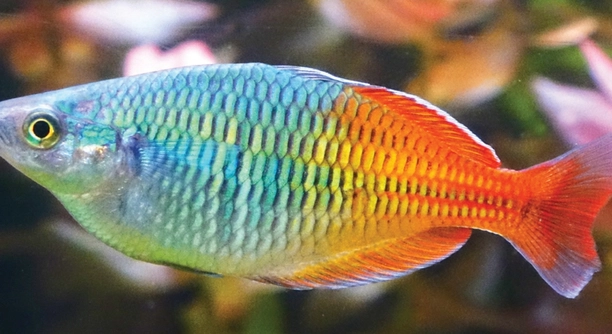
Rainbow fish are popular for their vibrant colors and active swimming. However, if your fish seem particularly skittish, it might not always be a health concern. Understanding the causes behind this behavior is essential for maintaining a happy tank.
Rainbow fish can become skittish due to several factors, including improper water conditions, sudden changes in their environment, overcrowding, or lack of hiding spots. These factors can lead to stress, making them more timid and easily startled.
Addressing these issues will help reduce their anxiety and improve their overall well-being. Understanding the common mistakes that lead to skittishness can ensure a calmer, healthier tank for your rainbow fish.
Poor Water Quality
Rainbow fish are sensitive to changes in water quality. When the water parameters, like pH, hardness, and temperature, aren’t ideal, they can feel stressed and skittish. Poor water quality can come from improper filtration, unclean tanks, or inconsistent water changes. Over time, this stress affects their behavior and health, causing them to swim erratically or hide more often.
Water parameters should be checked regularly to keep fish comfortable. Clean water promotes better health and more natural behavior, reducing the likelihood of skittishness. A stable environment allows your rainbow fish to feel safe and secure, encouraging them to swim confidently.
Keeping the water quality stable also means paying attention to nitrates and ammonia levels. These chemicals can build up and create toxic conditions that make fish nervous. Invest in a good water testing kit to ensure the water stays within safe parameters. Regular maintenance helps maintain a healthy environment for both the fish and plants.
Sudden Changes in Environment
Rainbow fish are creatures of habit and don’t appreciate sudden changes in their environment. Whether it’s moving decorations, changing tank lights, or adding new fish, these changes can startle them. They thrive in consistent surroundings and can become skittish when their space is disrupted.
Making slow, gradual changes will help your rainbow fish adjust. If you plan to introduce new fish or rearrange the tank, do it incrementally. Sudden moves can throw off their sense of safety, making them anxious and fearful.
Overcrowding in the Tank
Having too many fish in a small tank can make rainbow fish feel cramped and stressed. This overcrowding can cause competition for space and resources, making them more nervous. Overcrowding can also lead to higher waste levels, which further affects water quality.
If you’re planning to add more fish, make sure your tank is large enough to accommodate everyone comfortably. Rainbow fish need space to swim freely, and adding too many can cause anxiety. Aim for at least 20 gallons per pair of rainbow fish to keep them happy and reduce skittishness.
It’s important to monitor fish behavior, as overcrowding can lead to aggressive interactions. Fish will fight for space, and this aggression can make the tank environment more stressful. If you notice your rainbow fish swimming frantically or hiding, it might be time to reassess your tank’s stocking levels.
Lack of Hiding Spots
Rainbow fish may feel exposed if there aren’t enough hiding spots in their tank. Without plants, rocks, or decorations to hide behind, they can become anxious. These hiding spots give them a place to retreat when they need to rest or feel threatened.
Creating a tank environment with plenty of plants and hiding places can ease their stress. This allows the fish to find shelter when they’re feeling overwhelmed, making them less skittish overall. Some rainbow fish, especially males, may be more prone to nervous behavior if they feel they have nowhere to escape.
Adding plants or caves not only helps reduce stress but also encourages more natural behavior. Rainbow fish are active swimmers but also need space to hide and explore. Giving them places to rest and hide will lead to a happier, calmer fish.
Poor Tank Mates
Some fish species can be too aggressive for rainbow fish, causing them to feel threatened. If you have fish that nip or chase, it will make your rainbow fish skittish. It’s crucial to pick tank mates that are peaceful and won’t add to their stress.
Aggressive tank mates can not only affect your rainbow fish’s behavior but also lead to physical harm. Fish that are constantly on edge due to bullying will not only hide more but may become less active overall. It’s better to choose species that are calm and won’t compete aggressively for food or space.
By observing their interactions, you can ensure the tank is a peaceful space. Choosing the right companions for your rainbow fish ensures they feel secure, which in turn makes them more comfortable and less prone to skittishness.
Frequent Water Temperature Fluctuations
Rainbow fish are sensitive to sudden temperature changes. If the water fluctuates too much, it can stress them out, causing erratic behavior and skittishness. It’s best to maintain a stable temperature to keep them comfortable.
To prevent these fluctuations, use a reliable heater and thermometer. Keeping the temperature within a stable range of 72°F to 78°F will promote a calm and balanced environment, reducing stress for your rainbow fish. Temperature swings can be a hidden stressor that leads to nervous behavior.
Loud Noises or Vibrations
Rainbow fish can also be startled by loud noises or vibrations around their tank. These disturbances, whether from nearby traffic, pets, or loud conversations, can make them nervous. Keeping their environment quiet is essential for reducing anxiety.
A quiet, calm space helps your rainbow fish feel more secure. It’s important to place their tank in a location where there are minimal vibrations or sudden noises. If you notice your fish becoming jumpy after a loud noise, it might be a sign that the environment is too disruptive.
FAQ
What are the main causes of skittish behavior in rainbow fish?
Rainbow fish often become skittish due to poor water quality, sudden environmental changes, overcrowding, lack of hiding spots, and aggressive tank mates. These factors can create stress, which makes them more easily startled. Stress also weakens their immune systems, making them more vulnerable to diseases. Maintaining a stable and peaceful environment is key to reducing skittishness.
How do I improve water quality for my rainbow fish?
To improve water quality, perform regular water changes—about 20-30% every 1-2 weeks. Check and maintain proper water parameters such as pH (6.5-7.5), hardness (5-15 dGH), and temperature (72°F-78°F). Invest in a reliable filtration system to keep water clean. Regularly test for ammonia, nitrites, and nitrates using a test kit. Properly maintain your filter, and avoid overfeeding, which can lead to waste buildup.
Can rainbow fish live with other species?
Yes, rainbow fish can live with many other peaceful species. It’s important to choose tank mates that are not overly aggressive, as this can cause stress. Avoid keeping them with fin-nipping species or overly territorial fish. Good tank mates include peaceful community fish like tetras, corydoras, and guppies. Always observe fish behavior to ensure no one is being bullied or stressed.
What type of tank should I set up for rainbow fish?
Rainbow fish thrive in a well-planted tank with plenty of space to swim. A minimum tank size of 20 gallons is recommended for a pair of rainbow fish. Include plants, driftwood, and rocks to provide hiding spots and create a natural environment. Ensure proper filtration and keep the tank free of debris. A stable temperature of 72°F to 78°F is essential for their health.
How do I handle aggressive rainbow fish?
If you have a rainbow fish that seems aggressive, try moving it to a separate tank or adjusting the environment to reduce stress. Aggression can stem from overcrowding, lack of hiding spots, or territorial disputes. You can also try rearranging decorations or adding more hiding spots to diffuse aggression. Sometimes adding a few more fish to the tank helps reduce territorial behavior.
What do rainbow fish eat?
Rainbow fish are omnivores and enjoy a varied diet. They will thrive on high-quality flake food, pellets, and frozen or live foods like brine shrimp, daphnia, and bloodworms. It’s important to offer a balanced diet that includes both plant and animal-based foods. Feed them small amounts 2-3 times a day, and avoid overfeeding to maintain water quality.
Do rainbow fish need a heater in their tank?
Yes, rainbow fish require a heater to maintain a stable water temperature. They prefer water temperatures between 72°F and 78°F. If the temperature drops too low or fluctuates too much, it can cause stress, leading to skittishness and other health issues. Make sure to use a reliable aquarium heater with a built-in thermometer to keep the temperature consistent.
How can I reduce stress in rainbow fish?
To reduce stress, provide a stable environment with good water quality, plenty of hiding spots, and peaceful tank mates. Avoid sudden changes in the tank, and don’t overcrowd. Keeping the lighting soft and maintaining a consistent temperature will also help your rainbow fish feel more secure. Regular tank maintenance and observing their behavior are key to preventing stress.
Why do rainbow fish hide so much?
Rainbow fish may hide when they feel stressed, threatened, or unwell. Common reasons for hiding include aggressive tank mates, poor water quality, or inadequate hiding spots. If your fish are constantly hiding, it’s important to assess their environment for stress factors and make necessary adjustments. Ensure they have plenty of plants or decorations to hide behind if needed.
Can rainbow fish be trained to interact with their owner?
While rainbow fish may not form the same bonds with humans as other pets, they can become familiar with their surroundings. They might associate feeding times with your presence and may swim to the surface when they see you. This interaction is based more on routine than true bonding, but it can be enjoyable to see your fish recognize you.
How do I know if my rainbow fish is sick?
Signs of illness in rainbow fish include loss of color, erratic swimming, difficulty breathing, or staying at the bottom of the tank. If you notice your fish hiding more than usual, losing their appetite, or having visible signs of illness like lesions or bloating, it’s important to quarantine the affected fish and consult a vet. Regular water changes and maintaining good water quality can help prevent disease.
What size tank is ideal for a group of rainbow fish?
For a group of rainbow fish, a tank of at least 30 gallons is recommended. This provides enough space for them to swim freely and reduces stress. The more space you provide, the more comfortable they will feel, and the less skittish they will be. A larger tank also helps maintain stable water quality.
Do rainbow fish need to be kept in groups?
Rainbow fish do better when kept in small groups. They are social animals and feel more secure when they have companions. A group of at least six rainbow fish will reduce stress and make them feel more at ease. Keeping them alone or in pairs can lead to more anxiety and skittish behavior.
Final Thoughts
Rainbow fish are beautiful and active creatures, but they can become skittish if their environment isn’t ideal. Understanding the factors that can cause stress, like poor water quality, sudden changes, overcrowding, or aggressive tank mates, is crucial for keeping them calm. By maintaining stable water conditions, providing enough space, and ensuring the right tank mates, you can create an environment that helps your rainbow fish feel more secure and relaxed. Stress can not only make them timid but also impact their health, so it’s important to address the root causes early on.
One of the easiest ways to reduce skittishness is to make sure your rainbow fish have plenty of places to hide. Adding plants, rocks, or decorations to the tank gives them a sense of security. This allows them to retreat when they feel threatened or need rest. Rainbow fish are active swimmers, but they also need some time to feel safe in their space. When there’s enough shelter, they’re less likely to hide constantly and more likely to swim confidently in the open, reducing stress.
Maintaining a peaceful tank environment is just as important. Keeping tank mates that are non-aggressive and ensuring your rainbow fish have enough room to move comfortably will prevent them from feeling crowded. By paying attention to these details and making necessary adjustments, you’ll create an environment that helps rainbow fish thrive. A little care and attention can make all the difference in turning your tank into a calm and harmonious space for your fish.

Hello,
If you enjoy the content that we create, please consider saying a "Thank You!" by leaving a tip.
Every little bit helps us continue crafting quality advice that supports the health, happiness, and well-being of pets around the world, for pets of all shapes, sizes, and species.
We really appreciate the kindness and support that you show us!