
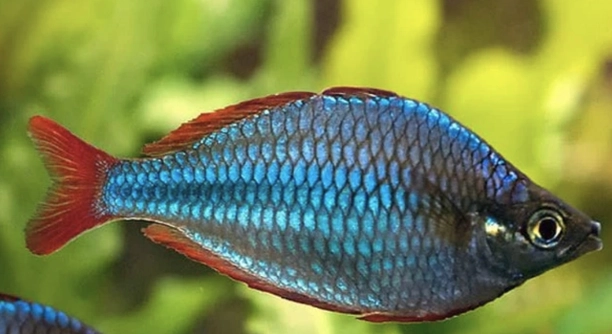
Rainbow fish are known for their vibrant colors and active personalities. As an aquarium owner, you may wonder how changes to their environment affect them. Rearranging their tank can have different effects on these curious creatures.
Rainbow fish generally adapt well to changes in their environment. However, frequent rearranging can cause stress and disrupt their territorial behavior. It is advisable to make changes slowly and observe their reaction to ensure their well-being.
Understanding how your rainbow fish react to tank rearrangements can help you create a comfortable habitat.
How Rainbow Fish React to Changes in Their Tank
Rainbow fish are relatively hardy, but they can be sensitive to sudden environmental changes. When their tank is rearranged, they may become stressed, particularly if it disrupts their territory or hiding spots. This stress can lead to behaviors such as excessive hiding or aggression. However, they do tend to adjust over time, especially when changes are gradual and not frequent. The key is to observe their response closely after rearranging the tank. If they seem unsettled, it may be worth allowing the tank to stay as is for a while before trying again.
Tank changes can affect more than just the fish’s mood. If rainbow fish feel insecure in their environment, it may also influence their feeding habits. When stressed, they may not eat as well, which can lead to health issues if it persists. Keeping a consistent tank setup is important for maintaining their comfort and health.
Over time, rainbow fish will adapt to changes in their tank environment. However, this adaptation should be gradual, with only small alterations made at a time to avoid unnecessary stress. Careful observation is essential to ensure they are coping well with the changes.
Stress and Territorial Behavior
Rainbow fish are territorial, especially during mating season. Changing their tank layout too often can cause unnecessary conflict as they may struggle to re-establish their boundaries.
It is essential to create a balanced environment for rainbow fish, which means considering both their need for space and secure hiding spots. Tank decorations, plants, and rocks should be positioned thoughtfully to provide areas where they can retreat when feeling threatened. Rearranging these elements should be done sparingly to avoid disrupting their sense of security. When introducing new objects to the tank, place them gradually to allow the fish time to adjust. If rearranging the entire tank, it’s recommended to do so only once or twice a year, ensuring the fish’s stress levels remain low.
Effects of Frequent Tank Rearrangements
Frequent tank rearrangements can lead to a variety of issues for rainbow fish. They rely on consistent spaces to feel secure. Constant changes can stress them, leading to changes in behavior, including reduced activity or eating less. This can ultimately affect their overall health.
When rearranging the tank, avoid doing so too often. Fish need time to adapt to the new environment, and constant changes can lead to confusion or anxiety. The presence of familiar landmarks, like plants or rocks, helps rainbow fish navigate their space more confidently. Try to make small adjustments and observe how they react before making larger changes.
Creating an environment where rainbow fish feel secure is essential for their well-being. Providing consistent spaces for them to explore, hide, and interact with each other can help reduce stress. Any rearrangement should be done gradually, with care to maintain a balanced layout that doesn’t disturb their natural behavior.
Tank Layout Considerations
The layout of the tank plays a significant role in the fish’s comfort. Rainbow fish are more likely to thrive in a setup that includes plenty of open swimming space, as well as areas for retreat. It’s important to strike a balance between both.
When arranging the tank, consider the specific needs of rainbow fish. They enjoy swimming in open spaces, but they also need places where they can hide if they feel threatened. Using plants, rocks, and driftwood effectively can create areas of shelter without overwhelming the space. Overcrowding the tank with too many objects may restrict their movement and lead to stress.
To support your rainbow fish’s natural behavior, aim for a varied tank layout. Keep the middle and upper parts of the tank open for swimming, while strategically placing decorations along the edges. This creates a sense of security while giving the fish room to explore. A balanced approach will ensure they remain active and comfortable in their environment.
How Often Should You Rearrange the Tank?
Rearranging the tank should be done sparingly. Rainbow fish thrive in stable environments, so frequent changes can lead to unnecessary stress. A general guideline is to rearrange the tank no more than once or twice a year.
Giving the fish time to adapt to their environment is essential. Constant disruptions may cause them to feel unsafe, affecting their behavior and health. By keeping changes minimal, you allow your rainbow fish to feel more secure. This stability helps reduce stress and ensures they remain active and healthy over time.
Stability is key when it comes to the happiness of rainbow fish. It’s important to maintain a tank layout that provides comfort and security. This helps them establish routines and keeps them from becoming stressed, ultimately leading to better health and behavior.
The Role of Tank Size
The size of the tank can also influence how well rainbow fish adjust to changes. A larger tank offers more space for fish to explore and settle into different areas. This can reduce stress during minor rearrangements.
Rainbow fish are more likely to thrive in larger tanks because they provide enough room for multiple hiding spots and swimming space. A tank that is too small can make rearrangements feel more disruptive. In smaller tanks, fish may feel more exposed or crowded, which could result in stress. Providing ample space gives your fish a better chance to adapt to changes with minimal disruption.
Environmental Enrichment
Environmental enrichment is vital for keeping rainbow fish active and healthy. By providing plants, rocks, and other decorations, you encourage natural behaviors like swimming, hiding, and exploring. Rearranging these elements can keep your fish stimulated and prevent boredom.
FAQ
Do rainbow fish get stressed when their tank is rearranged?
Yes, rainbow fish can get stressed if their tank is rearranged too frequently. These fish are territorial and prefer familiar surroundings. Constant changes to their environment can disrupt their sense of security, leading to stress. To minimize this, only rearrange the tank occasionally, ensuring the fish have time to adjust. Making gradual changes is key to preventing them from feeling overwhelmed or threatened.
How do I know if my rainbow fish is stressed?
Stressed rainbow fish may display several signs. These include hiding more than usual, swimming erratically, or becoming less active. If your fish is swimming near the bottom or constantly darting around the tank, it could indicate stress. Additionally, a decrease in appetite or refusal to eat is another warning sign. Observing their behavior closely will help you recognize when they are feeling uncomfortable. Providing a calm, stable environment will help them thrive.
Can rainbow fish live with other species in the same tank?
Rainbow fish are generally peaceful and can live with many other species. However, it’s essential to choose tankmates that are not overly aggressive or too large. Compatible species include tetras, gouramis, and peaceful catfish. It’s important to ensure enough space in the tank for all the fish to establish their territories. Avoid overcrowding, as this can cause stress and territorial disputes.
What is the best tank size for rainbow fish?
Rainbow fish need a minimum of 30 gallons of water to thrive, though larger tanks are always better. A bigger tank provides more room for swimming and helps maintain water quality. It also allows for the addition of more plants and hiding spots, which contributes to the fish’s well-being. For multiple rainbow fish, a 50-gallon tank or larger is recommended. The more space you provide, the more comfortable your fish will feel.
How often should I change the water in my rainbow fish tank?
Water changes are crucial for keeping your rainbow fish healthy. Aim to change 25-30% of the tank water every two weeks. This helps remove waste and toxins that can build up over time. If the tank is heavily stocked or the water quality decreases faster, you may need to change the water more frequently. Regular water changes also help maintain stable water parameters, which are important for the fish’s health.
What is the ideal water temperature for rainbow fish?
Rainbow fish prefer water temperatures between 74°F and 80°F (23°C to 27°C). It’s important to maintain a stable temperature within this range, as sudden fluctuations can cause stress. Invest in a reliable aquarium heater and thermometer to ensure that the temperature remains consistent. Rainbow fish are sensitive to both cold and warm extremes, so keep the water within the ideal range to ensure their well-being.
Can I add plants to my rainbow fish tank?
Yes, plants are highly beneficial for rainbow fish tanks. They provide hiding spots, which can help reduce stress, and contribute to the overall health of the aquarium by absorbing excess nutrients. Live plants also help maintain water quality by absorbing nitrates and offering oxygen. Choose hardy plants like java fern or anubias, which are easy to care for and will thrive in a tank with rainbow fish.
Are rainbow fish active swimmers?
Rainbow fish are very active swimmers, particularly in the middle and upper areas of the tank. They enjoy exploring their environment and will swim in all areas of the tank if given enough space. Providing them with a larger tank and plenty of hiding spots helps them express natural behaviors. Regular swimming is essential for their health, so ensure they have enough room to move freely.
What do rainbow fish eat?
Rainbow fish are omnivorous and enjoy a varied diet. They will eat a mix of high-quality flake or pellet food, live or frozen foods like brine shrimp, and plant matter. Offer them a balanced diet to ensure they receive the necessary nutrients for good health. A mix of foods will also help encourage natural foraging behaviors and keep them active. Be mindful of overfeeding, as this can lead to poor water quality and health issues.
How do I keep my rainbow fish tank clean?
To keep your rainbow fish tank clean, establish a routine for water changes, filter maintenance, and debris removal. Use a good filtration system to ensure that the water stays clean and free from toxins. Clean the tank walls, substrate, and decorations regularly, and remove any uneaten food promptly. This will help prevent algae buildup and maintain a healthy environment for your fish.
Can I breed rainbow fish in my tank?
Yes, rainbow fish can be bred in a well-maintained tank. To breed them successfully, you’ll need to create a separate breeding tank or add breeding plants to the main tank. Provide them with high-quality food, including live foods, to encourage breeding behavior. Rainbow fish typically lay eggs in plants or other fine-leaved surfaces. Once the eggs are laid, it’s best to remove the adult fish to prevent them from eating the eggs. Be patient, as the eggs may take a few days to hatch.
Do rainbow fish require special lighting?
Rainbow fish do not require special lighting, but they do prefer a natural day-night cycle. Provide 10-12 hours of light per day to mimic their natural environment. You can use a standard aquarium light, but make sure it is not too bright, as this can stress the fish. Plants in the tank also benefit from moderate lighting, which helps them grow and provide shelter for the fish. A consistent light schedule will help maintain a healthy aquarium environment.
Final Thoughts
Rainbow fish are resilient and adaptable creatures, but maintaining a stable environment is essential for their well-being. A balanced tank with enough space, plants, and hiding spots is key to reducing stress. While they are generally peaceful, frequent changes to their environment can lead to anxiety. Regular tank maintenance, including water changes and proper filtration, ensures that they thrive in their habitat. It is also important to monitor their behavior closely, as this can indicate when something is wrong with the tank’s conditions or their health.
The right tank size and water parameters play a significant role in the comfort of your rainbow fish. A tank that is too small can cause stress, while a larger tank provides more room for them to swim freely. Stability in water temperature and cleanliness is crucial for their health. Keeping the tank well-maintained helps prevent water quality issues that could negatively impact the fish. By following these basic guidelines, your rainbow fish will be able to live a long and healthy life in their home.
In conclusion, caring for rainbow fish involves more than just providing food and water. Their environment must be stable and supportive of their natural behaviors. By arranging the tank thoughtfully, avoiding frequent disruptions, and ensuring the water quality remains high, you can create a comfortable space where your rainbow fish can flourish. A bit of effort in maintaining their home will result in happy, active fish that bring color and life to your aquarium for years to come.

Hello,
If you enjoy the content that we create, please consider saying a "Thank You!" by leaving a tip.
Every little bit helps us continue crafting quality advice that supports the health, happiness, and well-being of pets around the world, for pets of all shapes, sizes, and species.
We really appreciate the kindness and support that you show us!