
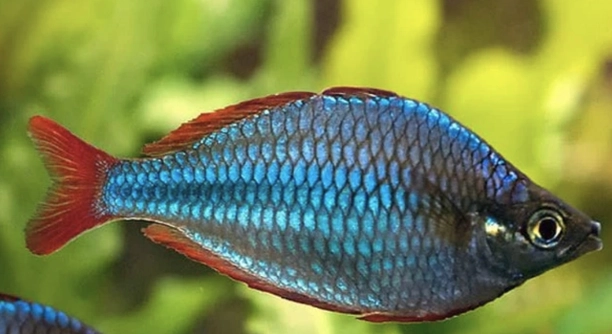
Rainbow fish are colorful and active creatures that many aquarium owners enjoy keeping. But, just like other animals, they can sometimes display territorial behavior. Understanding how they interact with their environment can help you care for them better.
Rainbow fish can indeed exhibit territorial behavior, especially in confined spaces or during breeding. They may show aggression towards other fish, especially those of the same species or similar appearance, to protect their territory.
Knowing how territorial behavior works can help you create a better environment for your fish. Understanding their needs and behaviors can lead to a happier, healthier aquarium. Keep reading to learn more about how to manage this behavior effectively.
Why Do Rainbow Fish Get Territorial?
Rainbow fish are naturally peaceful, but they can become territorial, especially in smaller aquariums. They tend to guard their space when they feel crowded or stressed. This behavior is more common in males during breeding season. The size of the tank and the number of fish in it can contribute to how often this territorial behavior occurs. In some cases, one fish may dominate the area, pushing others away from certain parts of the tank.
When rainbow fish get territorial, they may chase, nip, or even display physical signs of aggression. This is their way of saying, “This is my space.” It’s essential to understand why they do this to manage their tank and maintain a peaceful environment. They may show aggression not only toward other species but also towards their own kind.
Aquarium conditions can play a significant role in reducing territorial behavior. Giving your rainbow fish enough room to swim and hide will help ease tensions. It’s also helpful to have plenty of plants or decorations that allow fish to claim their territory without conflict.
How Territorial Behavior Affects Tank Dynamics
Territorial behavior can lead to a less peaceful aquarium environment if not managed properly. Rainbow fish may fight with each other, causing stress and potential injury. In a well-maintained aquarium with proper tank size, these issues can be minimized.
To keep peace, it’s vital to maintain proper tank conditions. This includes having enough hiding spots, space for each fish, and avoiding overcrowding. A balance between fish size, number, and type will also help reduce aggression. Keeping a watchful eye on behavior can also prevent larger issues from developing.
How to Reduce Territorial Behavior in Rainbow Fish
To reduce territorial behavior, it’s important to provide enough space and hiding spots in the aquarium. A larger tank with plenty of plants, rocks, and decorations gives rainbow fish areas to claim and hide, which can reduce aggression.
A good rule of thumb is to keep a ratio of one male to several females, as this helps balance the social dynamic. Males often become more territorial when competing for females, so fewer males can minimize conflicts. Additionally, providing adequate swimming room will help fish feel less confined and reduce the chances of territorial disputes.
Regular water changes and maintaining proper water conditions are also key. Poor water quality can cause stress, leading fish to act out more aggressively. By keeping the environment stable and clean, rainbow fish are less likely to become stressed and territorial. Adding other peaceful fish species can also help distract territorial fish from focusing on one another.
When Territorial Behavior Becomes a Problem
Sometimes, territorial behavior can escalate if not addressed. Fish may injure each other or become so stressed that their health suffers. This becomes more of an issue when there isn’t enough space for fish to spread out. When one fish dominates the tank, it can make other fish constantly swim in fear.
Aggression may not always be visible immediately, but subtle signs like fin damage or fish hiding more often are red flags. Over time, fish that are constantly stressed due to territorial conflicts may have weakened immune systems, making them more prone to disease. It’s crucial to keep an eye on the behavior of all fish to catch any problems early.
With the right adjustments, like adding more hiding spots or moving fish to a larger tank, territorial disputes can usually be resolved. Managing space, number of fish, and adding peaceful companions can create a more harmonious atmosphere for all aquarium inhabitants.
Signs of Territorial Behavior in Rainbow Fish
When rainbow fish become territorial, you may notice them chasing other fish around the tank. They might also display aggressive postures, such as flaring their fins or swimming stiffly. These actions are meant to warn others to stay away from their claimed space.
Territorial aggression can also lead to nipping or biting, particularly if two males are competing for space or attention. In some cases, the fish may even try to block access to certain areas of the tank, such as hiding spots or food. If these behaviors become frequent, it’s a sign that the fish need more room or resources.
How Tank Size Affects Territorial Behavior
Tank size is directly related to the territorial behavior of rainbow fish. A cramped tank can cause fish to feel more threatened, leading them to defend their space aggressively. The more room they have, the less likely they are to show territorial aggression. A larger tank allows each fish to establish its own territory without conflict.
It’s best to keep rainbow fish in tanks of at least 30 gallons for a small group. Larger tanks offer more options for hiding, exploring, and creating territories, making the fish feel more at ease and less likely to fight.
The Role of Tank Mates
Choosing the right tank mates is essential in preventing territorial issues. Peaceful species, such as tetras or catfish, are ideal since they don’t pose a threat to the rainbow fish’s space. Avoid fish that are similar in size and appearance to rainbow fish, as this can trigger territorial behavior.
If you do decide to add other fish, make sure they are non-aggressive and have different needs to prevent competition. Giving each species their own space and resources will reduce the likelihood of conflicts.
FAQ
Can rainbow fish live together peacefully?
Rainbow fish can live together peacefully if they have enough space and proper tank conditions. Males may show territorial behavior, especially during breeding season, but keeping a proper ratio of males to females can help minimize conflicts. Additionally, providing hiding spots and a large enough tank can reduce aggression and allow the fish to establish their own space.
How can I tell if my rainbow fish are stressed?
Stressed rainbow fish may display a few clear signs. They might swim erratically or hide more often than usual. You could also notice changes in their coloring, with some fish becoming paler or darker than normal. If they’re being more aggressive or if you see damaged fins, that’s a sign they’re stressed. Poor water quality or overcrowding can often be the cause of these symptoms.
Can rainbow fish get along with other species?
Rainbow fish can get along with peaceful species, but they might become territorial around fish of the same size or appearance. Species like tetras, corydoras, and other non-aggressive fish are good companions. Avoid aggressive or very similar-looking fish, as these may trigger territorial behavior. It’s important to monitor how all the fish in your tank interact and make adjustments if necessary.
How many rainbow fish can I keep in a 30-gallon tank?
In a 30-gallon tank, you can comfortably keep about 6-8 rainbow fish, but it depends on the species and their size. Rainbow fish like to have enough space to swim freely, and overcrowding can lead to stress and territorial aggression. A good rule is to have 1 inch of fish per gallon of water, but remember, this guideline should be adapted based on the fish’s activity levels and size.
How do I reduce aggression among rainbow fish?
To reduce aggression, make sure your rainbow fish have enough room. A larger tank with plenty of plants, rocks, or decorations can help establish territories and prevent fights. You can also keep more females than males to reduce competition. Ensuring a stable environment with regular water changes and appropriate water parameters will keep the fish healthy and calm.
Do rainbow fish fight with each other?
Rainbow fish can fight, especially during breeding season or if their territory is threatened. Males are more likely to fight with each other, but they may also show aggression toward females if they feel their space is being invaded. Ensuring enough room and having hiding places can reduce the chances of fights. Keeping males and females in a balanced ratio will also help prevent unnecessary conflict.
Can I add rainbow fish to an established tank with other fish?
Yes, rainbow fish can be added to an established tank, but it’s important to monitor their interactions. Make sure the fish in the tank are compatible, and avoid adding other territorial species. Slowly introducing the rainbow fish will give them time to adjust to their new environment. Watch for signs of stress or aggression, and be ready to separate fish if needed.
Do rainbow fish prefer to be in groups?
Rainbow fish are social animals and thrive when kept in groups. They are more active and less stressed when they can interact with other rainbow fish. A group of at least 6-8 is ideal, as it helps them feel secure and less likely to show territorial behavior. Keeping them in groups allows for natural social interactions and reduces the chances of aggression.
What are the best tank conditions for rainbow fish?
Rainbow fish need clean, well-maintained tanks with stable water parameters. They prefer slightly acidic to neutral water (pH 6.5-7.5) and a temperature range of 72°F to 80°F (22°C to 27°C). Make sure the tank is well-filtered and provides enough oxygen. Regular water changes and monitoring for ammonia or nitrate spikes will keep your fish healthy and reduce stress.
How do I prevent rainbow fish from bullying each other?
To prevent bullying, make sure the tank is large enough for all fish to establish their own territory. Avoid overcrowding, as this can increase aggression. Providing plenty of hiding spots, plants, and decorations will allow fish to claim space and avoid conflicts. Also, ensure a proper ratio of males to females, with fewer males to reduce competition.
Final Thoughts
Rainbow fish are beautiful and active creatures, but their territorial behavior can sometimes create challenges for aquarium owners. Understanding why they act this way is the first step in creating a peaceful tank environment. Territorial aggression is natural, especially in smaller or overcrowded tanks, but with the right care, it can be managed. By ensuring your tank has enough space, hiding spots, and a balanced number of fish, you can reduce the chances of territorial disputes. Proper tank maintenance, such as regular water changes, is also key to keeping your fish healthy and happy.
Choosing the right tank mates plays a significant role in preventing territorial issues. Peaceful species that don’t compete for the same space or food work well with rainbow fish. When introducing new fish, it’s important to do so gradually and monitor the behavior of all the fish to ensure compatibility. The more you observe your rainbow fish and understand their specific needs, the easier it will be to create a harmonious aquarium. Aggression can often be reduced simply by making sure your fish have everything they need to feel comfortable and secure in their environment.
In the end, keeping rainbow fish happy and healthy requires a bit of planning and attention. With the right tank size, the appropriate number of fish, and a peaceful environment, territorial behavior can be minimized. Remember that every fish is different, and monitoring their behavior closely will help you make adjustments when needed. A little effort and understanding will lead to a more peaceful aquarium where your rainbow fish can thrive without stress or aggression.

Hello,
If you enjoy the content that we create, please consider saying a "Thank You!" by leaving a tip.
Every little bit helps us continue crafting quality advice that supports the health, happiness, and well-being of pets around the world, for pets of all shapes, sizes, and species.
We really appreciate the kindness and support that you show us!