
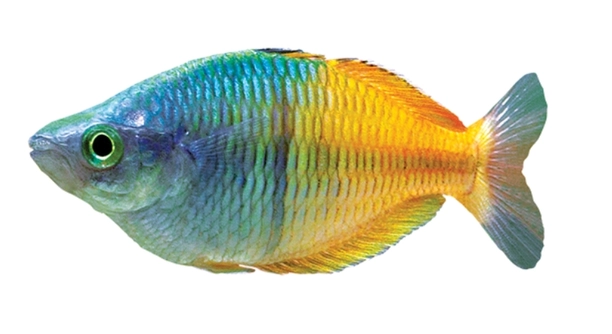
Rainbow fish are known for their bright colors and lively behavior. However, at times, you might notice them hiding more often than expected. Understanding the reasons behind this behavior can help ensure their well-being.
Rainbow fish hide for a variety of reasons, from stress and environmental changes to health issues or even social dynamics. Identifying the cause is important to improve their habitat and help them feel secure and comfortable in their tank.
Some of the factors causing rainbow fish to hide may be more complex than they appear. Understanding these hidden triggers will help you create a more comfortable environment for your aquatic friends.
1. Stress From Tank Mates
Rainbow fish can be quite sensitive to the behavior of other fish in the tank. If they feel threatened by more aggressive or dominant tank mates, they may retreat into hiding to avoid conflict. This kind of stress can cause them to act differently and isolate themselves from the rest of the group.
The dynamics between fish can be complex. It’s important to ensure that you have a balanced mix of fish that are peaceful and compatible with rainbow fish. Aggressive or territorial fish can make your rainbow fish feel unsafe, leading to increased hiding.
When you notice your rainbow fish hiding, pay attention to any tank mates that may be causing tension. Fish that chase or nip at them can stress them out. Consider rearranging the tank to break up territorial zones or adding more hiding spots for the fish to feel secure. You can also remove the aggressive fish if the problem persists. Keeping an eye on their social behavior can improve their well-being and reduce unnecessary stress.
2. Water Quality Issues
Sometimes, water quality can be the main reason your rainbow fish hide. Poor water conditions can make fish feel unsafe or uncomfortable. Fish are highly sensitive to changes in water temperature, pH, and ammonia levels.
Rainbow fish require clean, stable water to thrive. When the water becomes polluted or changes too rapidly, they may hide to protect themselves from the discomfort. Regular water changes and water testing can help maintain a healthy environment, preventing fish from hiding due to stress.
If you see your rainbow fish frequently hiding, take a moment to test the water. Ensure the temperature is consistent, the pH is in the correct range, and that ammonia or nitrites are at safe levels. Consistent water maintenance and using water conditioners can help keep your fish happy and active. Making these adjustments will encourage your rainbow fish to come out of hiding and show their vibrant colors.
3. Illness or Injury
If your rainbow fish is hiding more often, it might be a sign of illness or injury. Fish hide when they feel vulnerable or unwell. When something is off with their health, they instinctively seek a place where they feel safe.
Injuries or infections can cause discomfort, making them withdraw to a secluded spot. If the fish is acting lethargic, swimming abnormally, or showing signs of physical injury, it’s important to inspect them closely. Fish illnesses can progress quickly, so it’s best to address these issues as soon as you notice any unusual behavior. If symptoms persist, consider consulting with a vet.
When observing your fish, check for signs of swelling, lesions, or abnormal marks on their body. Also, keep an eye on their eating habits. A lack of interest in food often accompanies illness. Ensure that you remove any sick fish to avoid spreading infections. Maintaining a clean tank can also help prevent further health issues.
4. Changes in the Environment
Rainbow fish are highly sensitive to environmental changes. Even small adjustments in temperature, lighting, or water conditions can make them feel insecure and prompt them to hide. If the tank’s environment shifts suddenly, they may retreat to recover from the stress.
Whenever you change the tank setup or introduce new equipment, it can unsettle your fish. A new filter, added decorations, or a sudden change in water temperature can make them nervous. These changes can disrupt their routine, causing them to feel the need to hide for safety. It’s essential to be mindful of these shifts to avoid stressing them out.
To minimize the impact of changes, try making gradual adjustments. If you need to rearrange the tank or add something new, do it slowly over time. This will allow your rainbow fish to adjust without overwhelming them. Consistent and stable conditions in their environment will help them feel more secure and less likely to hide.
5. Overcrowding
Overcrowding in a tank can cause rainbow fish to feel stressed and unsafe. When there are too many fish in a small space, they may hide to avoid competition for space and resources. Ensuring the tank is appropriately sized for the number of fish is crucial for their well-being.
When fish are overcrowded, they often face competition for food and territory. This can lead to anxiety, making them more likely to hide to escape the pressure. A crowded environment can also lead to poor water quality, further stressing the fish. Keep an eye on your tank’s stocking levels to ensure that the fish have enough room to thrive.
6. Feeding Issues
If your rainbow fish are hiding, it could be because they are not receiving enough food. Fish may retreat if they feel that their feeding needs are not being met, especially in a tank with other aggressive eaters.
Ensure that food is being distributed evenly and that all fish are getting their fair share. It’s important to feed your fish in small portions and observe their eating behavior. If some fish are constantly outcompeting others, consider adding more feeding spots to reduce stress and encourage healthy eating habits.
7. Breeding Behavior
When rainbow fish are getting ready to breed, their behavior can change. They may hide more frequently or retreat to secluded areas of the tank to avoid being disturbed. This is a natural response during their breeding cycle.
Breeding can cause significant changes in the way fish interact with their environment. They may become more territorial or cautious as they prepare for spawning. Providing quiet and stable conditions can help your fish feel comfortable during this time. Keep in mind that fish may be more withdrawn when focused on breeding activities.
FAQ
Why are my rainbow fish hiding all of a sudden?
Rainbow fish may start hiding suddenly due to changes in their environment, such as shifts in water quality, temperature, or tank mates. Stress from aggressive fish, new decorations, or even poor water conditions can also cause them to seek shelter. It’s essential to check for any changes in their surroundings and make sure the water parameters are stable and clean.
How can I reduce stress in my rainbow fish?
To reduce stress in rainbow fish, start by maintaining a stable environment. Regular water changes, keeping the tank free from aggressive fish, and ensuring plenty of hiding spots are all crucial. Adding plants, rocks, and decorations will give your fish places to retreat when they feel threatened. Also, avoid sudden changes in their surroundings, such as altering the tank setup too quickly.
What should I do if my rainbow fish are hiding and not eating?
If your rainbow fish are hiding and not eating, it could be a sign of illness or poor water conditions. Test the water for any imbalances in pH, ammonia, nitrites, and temperature. If the water is fine, check for physical symptoms like swelling or lesions. Consider isolating the fish to prevent the spread of potential diseases and consult with an aquatic vet if necessary.
Can rainbow fish hide when they are about to breed?
Yes, rainbow fish can hide when they are preparing to breed. This is a natural behavior as they become more territorial and seek out quieter, secluded spaces. If your fish are hiding more often during certain times, it could be a sign they are ready to spawn. Ensure their environment is calm, and provide plenty of hiding spots if you want to support this natural process.
Is my rainbow fish hiding because it’s lonely?
Rainbow fish are generally social creatures, and if they are kept alone, they may become stressed or anxious, leading them to hide more frequently. It’s a good idea to have at least a small group of rainbow fish to make them feel secure. However, be mindful of tank size to avoid overcrowding.
Do rainbow fish need tank mates to feel safe?
Rainbow fish do better in groups, but they do need tank mates that are peaceful and not too aggressive. Aggressive fish can cause stress, making your rainbow fish hide more often. Choose compatible species that won’t harass them, and make sure your tank has enough space for all the fish to coexist peacefully.
What water conditions should I maintain for rainbow fish?
Rainbow fish thrive in water that is slightly acidic to neutral with a temperature range of 72-78°F (22-26°C). They need clean, well-filtered water with low levels of ammonia and nitrites. Regular water changes of about 20% every week will help maintain healthy conditions and prevent fish from feeling stressed.
Can rainbow fish hide because they are not used to the tank?
Yes, when rainbow fish are introduced to a new tank, they might hide initially as they adjust to their new surroundings. This is normal and should subside as they get more comfortable. Make sure the tank has enough hiding spots, but give them some time to acclimate and explore at their own pace.
What are signs that my rainbow fish might be sick?
If your rainbow fish are hiding and showing unusual behavior, such as lethargy, swimming erratically, or losing appetite, they may be sick. Look for physical signs like swelling, lesions, or faded colors. Pay attention to any changes in their fins or gills, as these can indicate infections or parasites.
How long does it take for rainbow fish to stop hiding after being stressed?
It can take anywhere from a few hours to a few days for rainbow fish to stop hiding after being stressed, depending on the severity of the stressor. Once the environment stabilizes and any aggressive tank mates are removed, your fish will gradually come out of hiding. Patience is key during this process.
Can I add more fish if my rainbow fish are hiding?
If your rainbow fish are hiding due to stress from overcrowding or incompatible tank mates, adding more fish might increase the problem. Instead of adding more fish, focus on reducing stress by ensuring a peaceful, well-maintained tank. If you do decide to add more fish, choose species that are peaceful and have similar care needs.
How can I tell if my rainbow fish are just hiding or sick?
If your rainbow fish are hiding but still swimming normally and eating well, they are likely just stressed or adjusting to their environment. However, if they are hiding, not eating, and appear lethargic or exhibit abnormal behavior like flicking or rubbing against objects, it’s a sign of illness. Immediate attention to their water conditions and health is needed in the latter case.
Final Thoughts
Rainbow fish are beautiful and vibrant creatures, but like all pets, they can experience stress and discomfort that causes them to hide. Understanding why they hide is key to providing a better environment for them. From stress caused by tank mates to poor water quality, there are many factors that could influence their behavior. By keeping an eye on water conditions, tank size, and the types of fish in your aquarium, you can help ensure that your rainbow fish remain healthy and comfortable.
It’s important to regularly monitor the tank and make sure your fish are not only safe from potential threats but also have enough space to swim and explore. Sometimes, simply rearranging the tank or providing more hiding spots can reduce stress. Keeping the tank clean with regular water changes and maintaining the right temperature and pH will create a more stable environment for your fish. Remember that fish, like people, need time to adjust to new situations. If you’ve recently changed something in the tank, give your rainbow fish some time to settle in before jumping to conclusions about their behavior.
If your rainbow fish continue to hide and show signs of illness, it’s crucial to investigate further. Check their physical condition for any signs of injury or infection, and consider testing the water to ensure it’s optimal for their health. Seeking professional advice from a vet or aquarium expert can also be helpful if the behavior persists. The goal is to ensure that your fish are not just surviving but thriving, which requires regular attention and care. Understanding their needs and behaviors will help you create a happy, healthy environment for them to enjoy.

Hello,
If you enjoy the content that we create, please consider saying a "Thank You!" by leaving a tip.
Every little bit helps us continue crafting quality advice that supports the health, happiness, and well-being of pets around the world, for pets of all shapes, sizes, and species.
We really appreciate the kindness and support that you show us!