
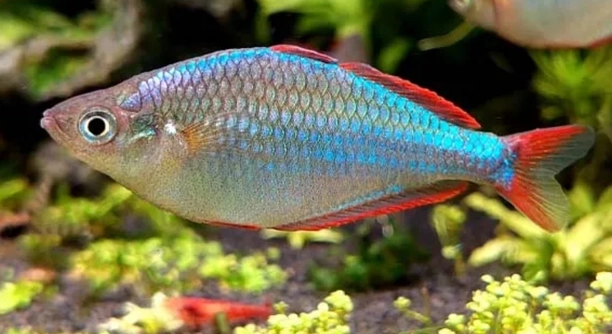
Rainbow fish are beautiful creatures, known for their vibrant colors and playful movements. However, fin twitching can sometimes be a sign of discomfort or health issues. Understanding the causes of this behavior is key to keeping them healthy and happy.
Fin twitching in rainbow fish can be caused by several factors, including stress, water quality issues, poor diet, or even parasitic infections. Identifying the underlying cause is important for providing the proper care and treatment for your fish.
Addressing the issue promptly will not only relieve the fish but also help prevent further complications. In the following sections, we will explore the common causes behind fin twitching and how to manage them effectively.
Stress from Poor Tank Conditions
Rainbow fish are sensitive to their environment, and stress can be a big factor in their behavior. If the tank is too small, overcrowded, or lacks hiding spots, fish often show signs of distress, like fin twitching. Even slight changes in temperature or water flow can affect their comfort. Make sure your tank is set up with proper filtration, enough space, and stable conditions. This can go a long way in reducing stress.
In addition, make sure that your tank has a stable light cycle. Rainbow fish are sensitive to both bright and fluctuating lights. Harsh lighting or light changes can increase stress, causing twitching and erratic behavior.
A calm and stable environment is crucial for the well-being of rainbow fish. Regular maintenance of the tank, including checking water parameters and ensuring a peaceful habitat, helps prevent stress-related twitching. Be mindful of their needs to ensure they stay healthy and content.
Poor Water Quality
Water quality plays a significant role in the health of any fish, including rainbow fish. High levels of ammonia, nitrites, or nitrates can cause irritation and stress, leading to twitching fins.
Improper water conditions often lead to infections or skin damage, triggering twitching. Regularly testing the water and performing water changes is essential to keeping rainbow fish in a healthy environment. In addition, maintaining a consistent pH level, hardness, and temperature ensures that your fish are comfortable. Clean water is crucial to prevent stress and health problems.
Poor Diet
A poor diet can cause a rainbow fish’s health to deteriorate, leading to twitching fins. If your fish aren’t getting the right nutrients, their immune system weakens, making them more vulnerable to stress and disease. Proper nutrition is vital for their overall well-being.
Feeding them a balanced diet with high-quality flakes, pellets, and occasional live or frozen food like brine shrimp is essential. Ensure that they are getting all necessary vitamins and minerals. Overfeeding or underfeeding can also contribute to health problems, so it’s important to feed them in moderation.
Rainbow fish need a varied diet to thrive. A diet lacking in the proper nutrients can result in weak immune systems, making them more susceptible to stress or infections, both of which contribute to twitching. Providing a well-balanced meal plan ensures their health and vibrant colors.
Parasitic Infections
Parasites like protozoans or external worms can irritate the skin and fins of rainbow fish, causing twitching or rapid movements. These infections are not always easy to spot but can result in significant discomfort for the fish.
Common parasites, such as Ich (white spot disease) or Costia, can cause a fish to scratch against surfaces, twitch, or swim erratically. A careful inspection of your fish’s body for visible signs, like white spots or lesions, can help determine if parasites are the cause.
To treat parasitic infections, quarantine the affected fish to prevent spread and begin treatment with medicated food or baths. Always follow the directions on the treatment. It’s important to act quickly to reduce the risk of infection spreading and ensure the fish heals properly.
Poor Tankmates
Rainbow fish can become stressed if kept with aggressive or overly dominant tankmates. Fish that nip or chase them may cause the rainbow fish to twitch as a sign of anxiety. It’s important to choose peaceful tankmates to reduce the risk of stress.
Keeping calm species with your rainbow fish will help them feel safe and secure. Avoid overly territorial fish that might intimidate or provoke them. Observing their behavior regularly can help you spot any signs of aggression early on, allowing you to adjust their environment as needed.
By ensuring a peaceful community, you reduce the likelihood of stress-related issues such as fin twitching. Watch for any signs of aggression, and be proactive in maintaining harmony in the tank.
Water Temperature Fluctuations
Temperature changes can make rainbow fish feel uncomfortable, leading to twitching fins. They are sensitive to sudden shifts, so keeping the temperature stable is essential for their well-being.
Rainbow fish thrive in warm water, typically between 74°F and 79°F (23°C to 26°C). Rapid fluctuations in water temperature, whether too high or low, can lead to stress, which is often reflected in twitching. Using a reliable heater and thermometer ensures the tank remains within an ideal range for these delicate fish.
Inadequate Tank Size
Rainbow fish need enough space to swim and feel comfortable. A tank that’s too small can create stress and lead to twitching. Overcrowding in a tank often results in poor water quality and a lack of space for the fish to move freely.
Providing a spacious tank allows your rainbow fish to display their natural behaviors and reduces the chances of stress. For a small group of rainbow fish, aim for at least a 30-gallon tank. Larger tanks with more space provide a healthier, less stressful environment for them to thrive.
FAQ
What are the most common reasons for fin twitching in rainbow fish?
Fin twitching in rainbow fish is typically caused by stress, poor water quality, a poor diet, or parasitic infections. Stress from things like overcrowding, aggressive tankmates, or temperature fluctuations can make them uncomfortable. If the water is dirty or not properly balanced, it can irritate their skin, leading to twitching. A lack of nutrients in their diet can also weaken their immune system, making them more susceptible to infections, which can result in twitching. Lastly, parasites like Ich or Costia can cause discomfort and twitching as well.
How can I tell if my rainbow fish are stressed?
Signs of stress in rainbow fish can include fin twitching, erratic swimming, and hiding more than usual. They may also appear less active or even stop eating altogether. Their colors may fade, and their fins may become clamped or torn. If you notice any of these behaviors, it’s important to check the tank conditions immediately and address any potential stressors.
What water conditions do rainbow fish need to thrive?
Rainbow fish need stable water conditions to thrive. They prefer a temperature between 74°F and 79°F (23°C to 26°C) and a slightly alkaline pH of 7.0 to 8.0. The water should be soft to moderately hard. Regularly test the water for ammonia, nitrites, and nitrates to ensure the levels are safe. Water changes should be done regularly to keep the environment clean and stable.
Can poor water quality cause fin twitching?
Yes, poor water quality is a leading cause of fin twitching in rainbow fish. High levels of ammonia, nitrites, or nitrates can irritate their skin and cause stress. Dirty water can also lead to infections or parasite outbreaks, both of which contribute to twitching. It’s crucial to keep the water clean and well-maintained to prevent such issues.
How can I prevent my rainbow fish from twitching?
To prevent twitching, ensure your rainbow fish are living in a peaceful and stable environment. Maintain good water quality with regular testing and water changes. Provide a varied and nutritious diet, and avoid overcrowding the tank. Monitor their tankmates and remove any aggressive or overly dominant fish. Keep the temperature consistent and within the ideal range for rainbow fish.
Can I treat twitching caused by parasitic infections?
Yes, twitching caused by parasites can be treated. If you suspect a parasitic infection like Ich or Costia, isolate the affected fish in a quarantine tank to prevent the spread. Treat the infected fish with medicated food or baths as per the instructions on the medication. It’s important to act quickly to prevent the infection from spreading to other fish in the tank.
How often should I feed rainbow fish?
Rainbow fish should be fed once or twice a day. Overfeeding can lead to poor water quality and health issues, while underfeeding can cause malnutrition. Provide a balanced diet, including high-quality flakes or pellets and occasional live or frozen food. Be sure to remove any uneaten food after a few minutes to prevent water contamination.
Can tankmates cause fin twitching in rainbow fish?
Yes, aggressive or territorial tankmates can cause stress, which leads to fin twitching in rainbow fish. If your fish are being chased, nipped, or bullied by other tankmates, this can make them anxious. It’s important to keep peaceful species with rainbow fish to reduce stress and help them feel safe.
Why is my rainbow fish not eating?
If your rainbow fish aren’t eating, it could be due to stress, poor water quality, illness, or a change in their environment. Check for signs of aggression from tankmates or poor water conditions. If the fish is showing signs of illness, such as unusual swimming behavior or discoloration, consider isolating it in a quarantine tank and treating it accordingly.
Can water temperature affect rainbow fish behavior?
Yes, rainbow fish are sensitive to changes in water temperature. Sudden temperature fluctuations can cause them stress, which may result in twitching or erratic swimming. Keep the water temperature stable within the ideal range of 74°F to 79°F (23°C to 26°C) using a reliable heater and thermometer.
Is twitching always a sign of illness in rainbow fish?
Not always. While twitching can be a sign of illness or parasites, it can also be caused by stress, poor water quality, or environmental factors. It’s important to assess the overall conditions in the tank, including water parameters, tankmates, and diet, before assuming illness. If the twitching continues or is accompanied by other signs of illness, consider seeking treatment for parasites or other health issues.
What tank size is best for rainbow fish?
Rainbow fish need ample space to swim and feel comfortable. A tank that’s at least 30 gallons is ideal for a small group of rainbow fish. Larger tanks provide more room for swimming and help maintain better water quality. A spacious tank will reduce stress and ensure the fish stay healthy.
How can I tell if my rainbow fish has a parasite?
If your rainbow fish has a parasite, you may notice symptoms like excessive scratching, rapid swimming, or erratic behavior. Visible signs such as white spots on the body or fins (a symptom of Ich), lesions, or discoloration may indicate a parasitic infection. A closer inspection and quick treatment are key to preventing the spread of the infection.
Can rainbow fish be kept with other species?
Yes, rainbow fish can be kept with other peaceful species, such as tetras, gouramis, or peaceful bottom dwellers. Avoid aggressive or overly territorial fish, as they can cause stress and harm your rainbow fish. When selecting tankmates, ensure that all species have similar water and temperature requirements.
Final Thoughts
Understanding the causes of fin twitching in rainbow fish is essential for maintaining their health and happiness. Stress, poor water quality, inadequate diet, and parasitic infections are the most common factors that lead to this behavior. By carefully observing their environment and addressing any issues early, you can prevent this condition from becoming a more significant problem. Regular maintenance of water quality, temperature, and proper feeding habits goes a long way in ensuring that your rainbow fish stay healthy and vibrant.
If you notice signs of fin twitching in your rainbow fish, it’s important to act quickly. Start by checking the water parameters, ensuring the temperature and pH levels are stable, and making necessary adjustments. If the water quality is poor, do a water change and test for ammonia, nitrites, or nitrates. A balanced diet with high-quality food is also crucial, as malnutrition can weaken the immune system and lead to stress-related behaviors. Keeping an eye on tankmates and ensuring there is no aggression among them can also help reduce stress in your fish.
Lastly, if the twitching continues or is accompanied by other symptoms like visible spots or lesions, it may indicate a parasitic infection that needs to be treated promptly. Quarantining the affected fish and using appropriate medication will help prevent the spread of the infection to other fish. Overall, addressing the root cause of fin twitching is key to ensuring your rainbow fish live a long, healthy life in your aquarium. By maintaining proper care, regular monitoring, and staying proactive, you can provide an environment where your rainbow fish thrive.

Hello,
If you enjoy the content that we create, please consider saying a "Thank You!" by leaving a tip.
Every little bit helps us continue crafting quality advice that supports the health, happiness, and well-being of pets around the world, for pets of all shapes, sizes, and species.
We really appreciate the kindness and support that you show us!