
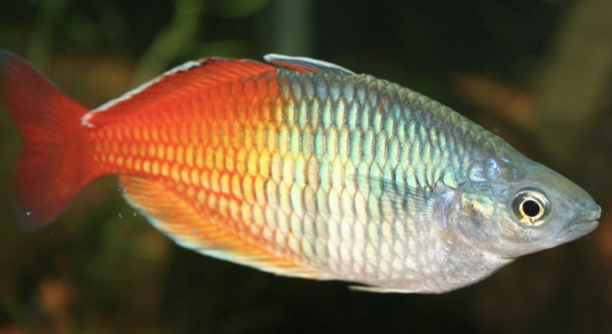
Rainbow fish are known for their beautiful colors and lively behavior, but there are some strange things they do after eating. Their actions can be surprising and puzzling to many fish owners. It’s fascinating to observe.
After eating, rainbow fish often display behaviors such as swimming erratically, changing colors, or even staying near the surface. These activities can be linked to digestion, energy expenditure, and reactions to their environment, indicating normal but curious post-meal responses.
These strange behaviors may leave you wondering why rainbow fish act the way they do after a meal. Understanding their habits will give you insight into their natural patterns and help you care for your aquatic companions better.
Why Do Rainbow Fish Act Weird After Eating?
After a meal, rainbow fish can sometimes act in ways that seem a little odd. You might notice them swimming around in circles, darting back and forth, or even staying near the surface for longer periods than usual. This behavior is mostly due to their need to process the food they just ate. Digestion for fish is a delicate process, and it can cause them to become more active. They may also change colors during this time, which is a natural response to environmental changes and energy levels.
It’s important to know that these actions are typically harmless. Rainbow fish are simply responding to their internal needs, whether it’s digesting their food or adjusting to their surroundings. If they are swimming erratically or seem unusually still, it’s often because their body is processing food or reacting to other stimuli in the tank.
Providing a calm and stable environment after feeding can help your fish feel secure. Consider limiting any disturbances or sudden changes in the tank’s setup after they’ve eaten. This will encourage their natural behavior and ensure they’re not stressed while digesting their meal.
How Feeding Affects Rainbow Fish’s Behavior
After eating, rainbow fish become more active, often swimming around in a frenzy as they process their food. This is completely normal and shows that they’re working through their digestive system. Fish need to expel excess energy from the food they consumed.
This activity is part of their natural feeding routine. Depending on the size of the meal and the type of food, they may swim to the surface, hover in place, or swim in erratic patterns. For some fish, this behavior might even be a way to stay alert for predators, as a survival instinct to avoid threats while they’re vulnerable post-meal.
Rainbow fish have the ability to change colors due to their mood, environment, and health. After eating, the fish may alter their coloration, a phenomenon related to digestion or emotional responses to their surroundings. It’s a process that can happen quickly or last for a longer period, depending on the situation.
The Importance of Tank Environment After Feeding
Rainbow fish thrive in stable environments, and maintaining the right conditions in their tank is crucial for their well-being. After feeding, their behavior can become more pronounced, especially if the environment is too noisy or disruptive. A well-maintained tank ensures they aren’t stressed out by changes, allowing them to digest and interact normally.
A stable water temperature, proper lighting, and a calm atmosphere will help your fish remain relaxed post-feeding. Avoid tapping on the glass or making loud noises that could startle them. This helps your rainbow fish stay comfortable and reduce unnecessary stress.
A peaceful tank environment allows them to feel secure while digesting their food. Without constant disturbances, they can better adjust their behavior, moving through the tank with more ease and less erratic swimming. If you’re caring for multiple fish, ensure each has its own space to enjoy a meal and digest without interference.
Rainbow Fish and Color Changes After Eating
After eating, rainbow fish may display noticeable changes in color. This is a normal response and is often linked to their emotions or the internal process of digestion. Their vibrant colors may become more intense or slightly fade depending on their mood and physical state.
The color changes usually occur as a result of changes in their energy levels. As the fish process their meal, their body may release hormones that cause their skin pigments to shift. For some fish, these color changes can also be a sign of stress or excitement. This natural process allows rainbow fish to adjust their appearance based on their surroundings, helping them blend in or communicate with other fish.
If the color changes seem extreme or last for an extended period, it might indicate an underlying issue. It could be related to water quality, temperature, or an imbalance in their diet. Keeping an eye on their behavior can help you spot any concerns early.
The Impact of Overfeeding on Behavior
Overfeeding your rainbow fish can lead to several negative behaviors. They may become lethargic, swim erratically, or even appear stressed. This happens because their digestive system is overwhelmed, causing discomfort and irregular movement.
Fish that are overfed will struggle to process the extra food in their system. This can lead to bloating or sluggish behavior as their bodies work harder to digest the excessive amount of food. Over time, the fish may also exhibit a lack of appetite or show signs of reduced energy levels.
Maintaining a proper feeding schedule and portion sizes ensures that your rainbow fish don’t face these issues. Always observe their behavior after feeding to make sure they’re comfortable and healthy. Consistent feeding habits and avoiding overfeeding will help keep their digestion on track.
Rainbow Fish and Swimming Behavior After Eating
Rainbow fish often swim erratically after eating. This behavior is usually tied to the digestion process, which requires energy and may cause them to move around the tank more. It’s a common reaction and part of their natural cycle.
The post-feeding swimming patterns help them digest and burn off the energy from their meal. You might notice them swimming faster or in circles, which could also be due to their excitement or need to maintain their position in the tank. It’s not necessarily a sign of distress but rather a routine part of their behavior.
The Role of Water Temperature
Water temperature plays a significant role in how rainbow fish behave after meals. If the water is too cold or too hot, it can cause them to feel sluggish or stressed. Keeping the temperature stable is important for digestion.
Fish prefer water temperatures in the range of 72-80°F (22-27°C). Too much fluctuation can disrupt their feeding patterns and digestion. After eating, they rely on the water temperature to help regulate their metabolism and energy levels. A sudden drop or rise in temperature could lead to abnormal post-meal behavior.
The Effects of Tank Size on Feeding Behavior
A small tank can increase the chances of rainbow fish displaying strange post-meal behavior. In cramped spaces, they may feel stressed, leading to excessive swimming or hiding after eating. A larger tank gives them more freedom.
The more room your rainbow fish have to swim, the less likely they are to become agitated after meals. A spacious tank allows them to move naturally, helping their digestion process. They can also escape to a quiet spot if needed, reducing unnecessary stress after eating.
FAQ
Do rainbow fish eat only once a day?
Rainbow fish typically eat once or twice a day. They are not heavy feeders and can survive on a smaller amount of food. However, it’s important to ensure that the portions are appropriate for their size and activity level. Overfeeding can lead to behavioral issues, such as sluggishness or erratic swimming. Feeding them more than they need can also cause water quality problems, as uneaten food may decompose and affect the tank’s ecosystem. Observe your fish’s appetite and adjust accordingly to maintain their health.
How long after eating should I avoid disturbing my rainbow fish?
It’s best to avoid disturbing rainbow fish for at least 30 minutes to an hour after feeding. They need time to digest their food properly, and sudden movements or loud noises may stress them out. This can disrupt their digestion process and lead to irregular behavior. A calm environment helps them feel safe and relaxed, allowing them to process the food effectively. Keeping the tank peaceful post-meal ensures your fish stay comfortable.
Why do rainbow fish change colors after eating?
Rainbow fish change colors after eating as part of their natural response to digestion. This is often linked to changes in their energy levels or mood. The shift in color can also indicate a reaction to their environment, such as changes in light or water temperature. These color changes are usually temporary and harmless, but it’s essential to keep an eye on their behavior to ensure it’s not caused by stress or illness. Their vibrant colors are an essential part of their communication and survival in the wild.
Can rainbow fish get bloated after eating too much?
Yes, rainbow fish can become bloated if they eat too much. Overfeeding can lead to digestive issues, causing them to appear swollen or lethargic. A bloated fish may have difficulty swimming or may seem to float at the surface. If your fish looks bloated, reduce the amount of food you offer and monitor their behavior. In extreme cases, overfeeding can lead to internal complications or even death if left unchecked. Ensuring proper portion control is essential to avoid this problem.
How do I know if my rainbow fish is stressed after eating?
If your rainbow fish is stressed after eating, it may display unusual behavior such as erratic swimming, hiding, or staying near the surface of the tank. Stressed fish may also have changes in their color or appear less active than usual. It’s important to check the tank conditions—water temperature, pH levels, and ammonia levels. Stress can be caused by poor water quality, overcrowding, or sudden changes in the environment. Providing a stable and peaceful habitat will help minimize stress.
How can I help my rainbow fish digest food better?
To help your rainbow fish digest food better, maintain a clean tank with stable water conditions. Ensure the water temperature is within the optimal range (72-80°F or 22-27°C) and keep the pH and ammonia levels in check. Avoid overfeeding and provide food that is appropriate for their size and species. Offering smaller, more frequent meals can also aid in digestion. Additionally, having plenty of swimming space and hiding spots in the tank can reduce stress and promote better digestion.
Can rainbow fish eat different types of food?
Rainbow fish can eat a variety of foods, including flake food, pellets, live or frozen foods, and vegetables. A balanced diet is crucial for their health. It’s best to offer a mix of high-quality flakes or pellets that are specifically formulated for tropical fish, along with occasional treats like brine shrimp, daphnia, or finely chopped vegetables. Feeding them a variety ensures they receive all the necessary nutrients. Be mindful of the type and quantity of food, as overfeeding or feeding unsuitable food can lead to health problems.
Why does my rainbow fish swim around more after eating?
Rainbow fish often swim more actively after eating as part of their digestion process. This is a normal behavior. After consuming food, they may feel the need to burn off the energy or adjust to their digestive needs. It’s common for them to swim faster or more erratically. However, if this behavior seems excessive or continues for long periods, it could be a sign of discomfort, bloating, or an issue with the water quality. In such cases, observe the fish closely and make adjustments to their diet or environment as needed.
Should I remove uneaten food from the tank after feeding my rainbow fish?
Yes, you should remove any uneaten food from the tank after feeding rainbow fish. Leftover food can decompose and cause a spike in ammonia, which can harm your fish and affect water quality. It can also lead to excess nutrients in the tank, contributing to algae growth. Using a net to remove the uneaten food ensures that the tank remains clean and safe for your fish. This practice also helps maintain a more stable and healthier environment for your rainbow fish to thrive.
What happens if rainbow fish are overfed?
Overfeeding rainbow fish can lead to several health problems. It can cause digestive issues like bloating, which makes the fish sluggish and less active. Overfed fish are also more susceptible to diseases due to the stress placed on their digestive system. Additionally, leftover food can pollute the water, leading to poor water quality and unhealthy tank conditions. To prevent overfeeding, offer small portions that your fish can eat within a few minutes. Regularly assess their health and behavior to adjust feeding amounts accordingly.
Final Thoughts
Rainbow fish are fascinating creatures, and their behavior after eating can provide valuable insights into their overall health and well-being. While it might seem strange to observe them swimming erratically or changing colors after a meal, these actions are typically natural responses to the process of digestion and environmental factors. As long as their behavior doesn’t seem excessive or prolonged, it’s usually just part of their routine. Recognizing these patterns can help you better understand your fish and ensure they’re living in a healthy, comfortable environment.
It’s important to maintain a stable and peaceful tank for your rainbow fish to thrive. After feeding, it’s best to avoid disturbing them too much to allow for proper digestion. Creating a calm atmosphere in the tank helps them process their meals without added stress. This simple step can improve their overall health, leading to more vibrant colors and more natural behaviors. Be mindful of their water conditions, feeding schedule, and tank size to reduce the likelihood of stress or unusual post-meal behaviors.
By keeping an eye on their diet and observing how they behave after meals, you can ensure that your rainbow fish are getting the nutrition they need and are not suffering from any digestive issues. It’s also important to avoid overfeeding, as this can lead to bloating, lethargy, and water quality problems. A balanced diet and proper tank conditions will keep your rainbow fish healthy and active. With these considerations in mind, you’ll be able to enjoy watching your rainbow fish live their best lives.

Hello,
If you enjoy the content that we create, please consider saying a "Thank You!" by leaving a tip.
Every little bit helps us continue crafting quality advice that supports the health, happiness, and well-being of pets around the world, for pets of all shapes, sizes, and species.
We really appreciate the kindness and support that you show us!