
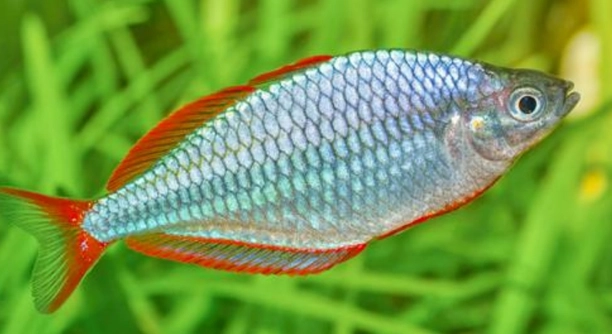
Nervous rainbow fish can show signs of stress that affect their behavior and health. Understanding how to calm them down can improve their overall well-being and help them thrive in a peaceful tank environment.
The most effective ways to calm nervous rainbow fish involve creating a stress-free environment. Proper water conditions, appropriate tank mates, hiding spots, and avoiding sudden movements all contribute to reducing their anxiety and ensuring their comfort.
With these calming techniques, you can provide a peaceful environment for your fish, enhancing their health and happiness. Keep reading to discover specific strategies that work best for easing their nerves.
1. Create the Right Tank Environment
The tank environment plays a significant role in calming nervous rainbow fish. Keeping the water clean and at the correct temperature is crucial. Regular water changes prevent harmful toxins from building up, which can stress fish. It’s also important to maintain a stable temperature, as sudden fluctuations can be alarming. The ideal temperature for rainbow fish is between 74°F and 80°F (23°C to 27°C). Proper filtration is also key to maintaining good water quality, ensuring that the fish don’t experience the stress of poor water conditions.
Along with water quality, lighting can impact your fish’s stress level. Rainbow fish prefer soft, natural light. Bright, harsh lighting can make them feel exposed and anxious, leading to erratic swimming. Using aquarium lights with a dimmer setting or providing shaded areas in the tank can help them feel secure.
Ensuring the right environment for your fish sets the foundation for reducing stress and fostering a healthier habitat for them to thrive in.
2. Provide Hiding Spaces
Rainbow fish can be quite shy, so providing plenty of hiding spots can help them feel more secure. Plants, rocks, and decorations placed strategically around the tank offer shelter and create areas where they can retreat when they feel stressed. These hiding spaces allow them to feel safer and reduce anxiety. Hiding places also encourage natural behaviors like resting and exploring, which contribute to a calmer, more balanced environment.
When selecting items for your tank, choose decorations that are smooth and without sharp edges. Harsh items could hurt the fish if they try to hide too quickly. Additionally, ensure there are enough hiding spots for all the fish in the tank to avoid competition or territorial disputes. Having multiple hideouts ensures every fish has a safe place to retreat when necessary.
3. Choose Compatible Tank Mates
Choosing the right tank mates for your rainbow fish is essential for reducing stress. Rainbow fish are generally peaceful but can become stressed if housed with aggressive or overly territorial species. Select other fish that have a similar temperament and size. Avoid keeping them with large predatory fish that might see them as food or overly active fish that will overwhelm them.
In addition to fish, consider the overall setup of your tank. Avoid overcrowding, as too many fish in a small space can lead to heightened stress. It’s important to create a balanced ecosystem with enough space for each fish to feel comfortable. Fish that swim at different levels in the tank can also help prevent territorial behavior and create a more harmonious atmosphere.
By choosing tank mates carefully and monitoring the social dynamics, you can significantly reduce the stress levels of your rainbow fish. A well-balanced, peaceful environment is key to their long-term health and happiness.
4. Limit Sudden Movements Around the Tank
Rainbow fish can easily become startled by sudden movements. Quick, erratic motions in front of the tank can stress them out, making them feel threatened. Try to move slowly and avoid tapping on the glass, as these actions can trigger alarm. When feeding or adjusting decorations, do so calmly to avoid startling them.
Consistent, gentle movements help the fish feel more secure in their environment. If you’re cleaning the tank or rearranging decorations, do it slowly and avoid making unnecessary noise. Keeping the environment stable and quiet is one of the simplest ways to keep your fish relaxed. Over time, they will become more accustomed to your presence.
Fish that are exposed to constant sudden movements will have a harder time settling into a calm routine. Creating a peaceful, predictable environment helps the fish feel more at ease and less anxious, allowing them to enjoy their tank without the fear of being startled.
5. Feed Properly and on a Regular Schedule
Feeding your rainbow fish on a consistent schedule is essential for reducing stress. Overfeeding or irregular feeding times can confuse or frustrate them. Feed them a balanced diet of high-quality flakes, pellets, and occasional live or frozen food. Make sure to only provide what they can eat within a few minutes to prevent uneaten food from contaminating the water.
Regular feeding creates a sense of routine, which helps rainbow fish feel more secure. Keeping the feeding schedule consistent also prevents overfeeding, which can lead to water quality issues and increased stress. If your fish are constantly searching for food due to irregular feeding, they may feel anxious and restless.
A healthy feeding routine also supports their physical health, which in turn reduces stress. When rainbow fish receive the right nutrition at the right times, they are more likely to stay calm and exhibit more natural behaviors. This routine reduces anxiety and supports long-term well-being.
6. Avoid Overcrowding the Tank
Overcrowding can cause stress for rainbow fish, as they need space to swim and establish their own territory. Having too many fish in a small space can create competition for resources and increase aggression. Keep an eye on the tank’s population to ensure that every fish has enough room to move comfortably.
When selecting tank mates, make sure that the tank is large enough to support the number of fish you’re keeping. A general rule is to allow at least one inch of fish per gallon of water, but more space is always better. Ensuring adequate space reduces stress, promotes healthy growth, and encourages natural behaviors.
7. Maintain a Consistent Light Cycle
A consistent light cycle helps regulate your rainbow fish’s internal clock, contributing to a calmer and more predictable environment. Ensure the tank is exposed to natural light during the day and dark at night. Use an automatic timer to keep the lighting consistent and prevent any disruptions.
By maintaining a regular light schedule, rainbow fish can better adapt to their environment. Erratic lighting changes, such as turning lights on and off suddenly, can stress them out. A stable day-night cycle encourages restful periods for the fish and reduces anxiety. It also mimics their natural habitat.
8. Monitor Water Parameters Regularly
Regular monitoring of water parameters is crucial for preventing stress in rainbow fish. Test for ammonia, nitrites, nitrates, pH levels, and water hardness frequently to ensure that the water remains within the optimal range. These factors can change quickly, so keeping a close watch helps maintain a stable environment.
Small fluctuations in water quality can cause rainbow fish to become anxious. Unstable water conditions can weaken their immune system, leaving them vulnerable to disease. Keeping the water parameters consistent promotes better health, allowing the fish to feel comfortable and stress-free in their tank.
FAQ
How can I tell if my rainbow fish is stressed?
Stressed rainbow fish may display erratic swimming patterns, hiding more than usual, or showing signs of poor appetite. Their colors may fade, and they might become less active. If these behaviors persist, it’s essential to check water quality and tank conditions to ensure their environment is ideal.
What should I do if my rainbow fish is constantly hiding?
If your rainbow fish hides too much, it could be due to stress or an inappropriate tank environment. First, check the water quality and temperature, making sure it’s within the right range. Ensure there are enough hiding spots, but also that the tank isn’t overcrowded. If the tankmates are aggressive, consider rehoming them.
Can poor water quality make rainbow fish nervous?
Yes, poor water quality is one of the main causes of stress in rainbow fish. High levels of toxins such as ammonia, nitrites, or nitrates can irritate their gills, leading to stress and poor health. Regular water changes and monitoring of water parameters are key to keeping fish calm.
What is the ideal tank size for rainbow fish?
Rainbow fish thrive in larger tanks, with a minimum size of 20 gallons for a small group. A larger tank provides space for swimming and reduces territorial stress. More space allows fish to have their own area without competition, which is crucial for their well-being.
How can I prevent my rainbow fish from becoming aggressive?
Rainbow fish are generally peaceful, but overcrowding or unsuitable tank mates can cause aggression. Keep a proper balance of fish and provide plenty of hiding spots to minimize territorial disputes. Avoid keeping aggressive species that might stress out your rainbow fish.
Do rainbow fish need special tank mates?
Rainbow fish prefer to live with other peaceful species. Avoid aggressive or overly large fish, which may intimidate or harm your rainbow fish. Ideal tank mates include small, non-aggressive species like tetras, guppies, and peaceful bottom-dwellers that won’t compete for food or territory.
Can rainbow fish live with shrimp or snails?
Yes, rainbow fish can live with shrimp and snails. They are typically not aggressive towards these species. However, be mindful that larger rainbow fish might try to snack on smaller shrimp, so choose tank mates that are large enough to avoid becoming a target.
How often should I feed rainbow fish?
Rainbow fish should be fed once or twice a day, with only as much food as they can consume in a few minutes. Overfeeding can lead to water pollution and stress. It’s best to provide a variety of food, such as flakes, pellets, and occasional live or frozen food.
What temperature do rainbow fish prefer?
Rainbow fish prefer a water temperature between 74°F and 80°F (23°C to 27°C). Keeping the temperature stable is important, as sudden changes can cause stress. Use a reliable aquarium heater and thermometer to maintain the optimal temperature for your fish.
Can rainbow fish live in a tank with strong water flow?
Rainbow fish prefer moderate water flow, and while they are not necessarily sensitive to strong currents, excessive flow can be stressful for them. It’s best to provide gentle filtration and current in the tank, ensuring that the fish can swim comfortably without being pushed around.
How can I help my rainbow fish feel more secure in their tank?
To help your rainbow fish feel secure, create a tank environment that mimics their natural habitat. Include plants, driftwood, and hiding spots. Keeping the tank calm by limiting sudden movements and providing stable lighting and water parameters can also make them feel more secure.
Do rainbow fish like to live in schools?
Yes, rainbow fish are social animals and thrive when kept in schools of at least five or six individuals. Being part of a group provides them with comfort and helps reduce stress. A school of rainbow fish creates a natural, relaxed environment where they can interact with each other.
What is the lifespan of rainbow fish?
Rainbow fish typically live between 5 and 8 years, depending on their care and environment. Proper water quality, diet, and a stress-free tank can help extend their lifespan. Regular maintenance and a peaceful tank environment will allow them to live a long, healthy life.
Can I breed rainbow fish in a community tank?
Breeding rainbow fish in a community tank is possible, but it requires specific conditions. They need ample space, plants for hiding eggs, and a separate breeding area. To prevent the adults from eating the eggs, it’s best to set up a breeding tank or remove the adults after spawning.
Why is my rainbow fish losing color?
Rainbow fish losing color can indicate stress, poor water conditions, or a lack of proper nutrition. If the fish is stressed, ensure the tank environment is calm and the water parameters are within the ideal range. Providing a varied diet of high-quality food can also help restore their vibrancy.
Final Thoughts
Caring for rainbow fish requires attention to their environment and well-being. Maintaining proper water quality, providing a suitable tank size, and ensuring the right tank mates are essential for a stress-free habitat. Rainbow fish thrive in tanks that replicate their natural environment, with plenty of space to swim and hide. Keeping these factors in check will help your fish live longer, healthier lives. If you notice signs of stress or aggression, it is important to address the issue quickly by adjusting the tank’s conditions or changing the water.
Feeding rainbow fish a balanced diet also plays a key role in their health. Offering a variety of foods ensures they get the proper nutrients, which helps them stay vibrant and active. Regular water changes and careful monitoring of water parameters such as pH, ammonia levels, and temperature can prevent many common health problems. In addition, providing a stable light cycle and avoiding overcrowding will create a more peaceful atmosphere in the tank. By consistently meeting these needs, you’ll help your rainbow fish stay calm and happy.
In the end, the key to keeping rainbow fish healthy is regular maintenance and a calm, stable environment. These fish are peaceful and active, and when they’re in a well-maintained tank, they will display their natural beauty. Whether you’re a beginner or an experienced aquarist, ensuring their environment is stress-free will lead to long-lasting enjoyment.

Hello,
If you enjoy the content that we create, please consider saying a "Thank You!" by leaving a tip.
Every little bit helps us continue crafting quality advice that supports the health, happiness, and well-being of pets around the world, for pets of all shapes, sizes, and species.
We really appreciate the kindness and support that you show us!