
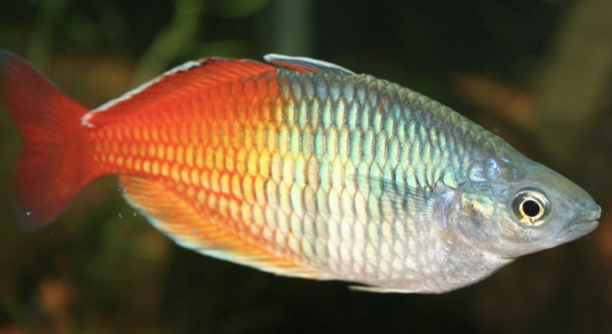
Rainbow fish are fascinating creatures, known for their vibrant colors and playful behavior. However, like all animals, they can experience boredom, leading to changes in their actions. Understanding how they behave when bored can be insightful.
When bored, rainbow fish often exhibit repetitive swimming patterns, increased aggression, and a lack of interest in food. They may also show unusual behaviors such as hiding or swimming aimlessly, signaling a need for more stimulation or a change in environment.
These signs of boredom can affect their overall health and well-being. Understanding these behaviors will help improve their care and prevent stress.
Why Boredom Happens in Rainbow Fish
Boredom in rainbow fish typically arises from a lack of environmental stimulation. If they are kept in tanks that don’t provide enough room for exploration, or if there are insufficient hiding spots, the fish may become restless. They are naturally curious creatures, and when there’s nothing to interact with, they become easily disinterested. In some cases, overfeeding can contribute to boredom, as the fish may have little motivation to seek food or engage with their surroundings. A monotone environment with no new experiences or challenges can lead to a lack of stimulation.
While they may swim around aimlessly or hover in one area, rainbow fish may show less enthusiasm for feeding or play. They might also exhibit increased aggression toward other tank mates as a way to release pent-up energy.
Providing variety, such as adding plants, rocks, or even a tank mate, can greatly improve their mental stimulation and overall health. The more varied their environment, the less likely they are to become bored.
How Tank Setup Affects Behavior
A well-designed tank setup plays a key role in reducing boredom.
When the tank is too sparse or lacks proper hiding spots, rainbow fish may feel exposed or insecure. They enjoy having areas to explore and areas where they can rest. By adding structures like rocks or plants, you create a more dynamic environment. This allows them to interact more naturally with their surroundings. Without these features, their attention span shortens, and they may become inactive.
A lack of interaction with other fish can also contribute to boredom. While rainbow fish are generally peaceful, they benefit from the presence of compatible tank mates. This social aspect encourages them to swim more, engage with others, and reduces their likelihood of exhibiting signs of boredom. Additionally, introducing occasional changes in the tank environment can keep things interesting for them, promoting active engagement.
Signs Your Rainbow Fish Is Bored
Rainbow fish show various signs when they are bored. One of the first indications is aimless swimming. If your fish constantly swims in circles or repeatedly passes the same spot, it likely means they are searching for something to do. Another sign is lack of interest in food, as boredom can lead to a decreased appetite.
Bored fish may also display behaviors like hiding more often or staying motionless at the bottom of the tank. These actions can signal that the fish isn’t getting enough mental stimulation. It’s important to address these signs promptly to prevent stress or health issues.
When rainbow fish don’t have enough engagement, they may start to show aggression towards other fish. This could manifest as chasing or nipping. It’s essential to monitor their behavior and make adjustments to their environment if needed.
How to Prevent Boredom in Rainbow Fish
The best way to prevent boredom is by creating a stimulating tank environment. Adding plants, rocks, and varied decorations can make a huge difference.
You should also rotate tank accessories or rearrange them regularly to provide new experiences. Keeping the environment dynamic encourages the fish to explore and interact with their surroundings. These simple changes can bring excitement and prevent the repetitive behavior that comes with boredom.
Consider adding tank mates that are compatible with rainbow fish. While they are peaceful, having others to interact with can provide valuable social stimulation. However, always monitor to ensure the fish are getting along well.
The Role of Tank Size in Boredom
Tank size is crucial for preventing boredom. A small tank limits a fish’s ability to explore, leaving them with fewer opportunities to engage with their environment. Fish need enough space to swim freely and exhibit natural behaviors, such as foraging and exploring.
Larger tanks provide more room for interaction, allowing the fish to exhibit more complex behaviors. They also allow for a more varied setup, with more places to hide, swim, and investigate. The bigger the tank, the more chances for enrichment, leading to a happier and healthier fish.
The Importance of Regular Water Changes
Water quality directly affects the well-being of rainbow fish.
Regular water changes are essential to maintaining a healthy environment. Poor water quality can lead to stress and discomfort, making fish more susceptible to boredom and health issues. Keeping the water clean ensures the fish feel safe and comfortable, promoting active behavior.
Feeding Habits and Boredom
Rainbow fish may lose interest in their surroundings if they are overfed.
When fish are constantly given food, they may not feel motivated to explore or search for food on their own. This can lead to boredom and inactivity. Feeding them at scheduled times rather than constantly offering food can encourage them to engage with their environment more actively.
FAQ
How can I tell if my rainbow fish is bored?
Rainbow fish show signs of boredom in various ways. They might swim in circles, hover in one spot, or show disinterest in food. When boredom sets in, they may also display more aggressive behaviors, such as chasing or nipping at other fish. If your fish is hiding more than usual or not engaging with its environment, it’s a sign they might need more stimulation. These signs should be addressed promptly to avoid stress.
What can I do to make my rainbow fish less bored?
The best way to keep your rainbow fish from getting bored is by adding variety to their environment. Introduce plants, rocks, and decorations that they can interact with. Regularly rearranging these items will keep things fresh. A larger tank provides more space for exploration, and adding tank mates can also help keep them engaged. Rotating items in the tank or changing the layout will make the environment more dynamic.
Do rainbow fish need a tank mate to stay engaged?
Rainbow fish do well in schools or when kept with compatible tank mates. While they aren’t overly social, they do enjoy some interaction with other fish. Having tank mates can encourage more swimming and exploration, which helps prevent boredom. However, it’s important to select species that are peaceful and not too aggressive. Overcrowding should also be avoided, as too many fish can cause stress.
How often should I change the tank’s water?
Regular water changes are vital to maintaining a healthy environment for your rainbow fish. A good rule of thumb is to change 25-30% of the tank’s water every two weeks. However, if you have a smaller tank or a larger number of fish, more frequent water changes may be necessary. Clean water helps prevent stress, which can be a contributing factor to boredom.
Can overfeeding cause boredom in rainbow fish?
Yes, overfeeding can contribute to boredom. When rainbow fish are overfed, they may lose their natural curiosity, as food is constantly available. This can cause them to become inactive and less engaged with their environment. It’s best to feed them scheduled meals and avoid leaving excess food in the tank. This encourages them to swim and forage for food, keeping them active and interested.
How do I know if my rainbow fish is stressed?
Stressed rainbow fish may display erratic swimming patterns, such as swimming in circles or darting quickly. They might also refuse to eat or appear more withdrawn than usual. Stress can lead to health issues and behavior changes, such as increased aggression or hiding. Environmental factors like poor water quality, overcrowding, or lack of stimulation are common causes of stress in rainbow fish.
Can I add decorations to the tank to prevent boredom?
Yes, adding decorations is a great way to provide enrichment for rainbow fish. Plants, rocks, and caves create areas for hiding, swimming, and exploring. They can also help reduce aggression by providing territory for each fish. However, make sure the decorations are safe for fish and won’t harm them. Regularly changing the arrangement of these items will also keep the tank fresh and interesting.
Is it okay to keep rainbow fish alone?
Rainbow fish are generally peaceful and can be kept alone, though they tend to do better in groups. If you only have one rainbow fish, it might become bored more quickly and less likely to engage in natural behaviors. Adding compatible tank mates can reduce this risk and keep them more active. If space is limited, at least consider adding one or two others of the same species.
How can I make sure my rainbow fish stay healthy?
Ensuring your rainbow fish stay healthy involves maintaining good water quality, providing a balanced diet, and offering enough space to swim and explore. Regular water changes, appropriate filtration, and monitoring for any signs of illness or stress are crucial. A varied diet of high-quality flakes, pellets, and occasional live or frozen foods will keep them well-nourished and happy.
What is the ideal tank size for rainbow fish?
Rainbow fish thrive in larger tanks. A tank size of at least 30 gallons is recommended for a small group of rainbow fish. The larger the tank, the more room they have to swim and explore, which reduces boredom. Additionally, larger tanks provide more flexibility when adding plants or tank mates. Be sure the tank is properly filtered to maintain clean water.
Are there specific plants or decorations rainbow fish prefer?
Rainbow fish enjoy a mix of plants, such as Java ferns, anubias, and moss balls. These plants provide hiding spots and swimming areas. Decorations like caves or driftwood can also be added to the tank. It’s important to have a variety of plants and decorations to allow the fish to move freely and interact with their surroundings.
Final Thoughts
Rainbow fish are vibrant, active creatures that thrive in a well-maintained environment. Keeping them engaged and happy requires more than just basic care. Providing a stimulating tank setup, along with proper water quality, will help prevent boredom and ensure your fish are healthy. If your rainbow fish show signs of boredom, it’s a signal that they need more variety and interaction in their habitat. With a few simple adjustments, you can create an environment where they feel comfortable and active.
A larger tank, enriched with plants, rocks, and other decorations, is one of the best ways to prevent boredom. These additions allow rainbow fish to explore their surroundings and exhibit natural behaviors. Rotating tank accessories or adding new items periodically can keep the environment fresh and interesting. Additionally, keeping multiple fish together can encourage social interaction, providing stimulation for your fish. However, it’s important to ensure that the tank isn’t overcrowded, as this can cause stress and lead to unhealthy behavior.
Overall, maintaining a balance of good water quality, variety in the tank, and a suitable feeding schedule will help your rainbow fish stay content. By understanding their needs and behavior, you can make adjustments to their environment to keep them active and healthy. Rainbow fish are an enjoyable species to care for, and with proper attention, they can thrive and brighten your aquarium.

Hello,
If you enjoy the content that we create, please consider saying a "Thank You!" by leaving a tip.
Every little bit helps us continue crafting quality advice that supports the health, happiness, and well-being of pets around the world, for pets of all shapes, sizes, and species.
We really appreciate the kindness and support that you show us!