
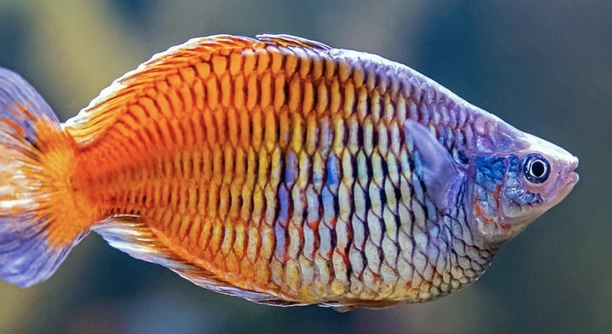
Do you ever find yourself watching your rainbow fish swim and wonder if they can hear or respond to the sounds around them? Many pet owners enjoy playing music and hope their aquatic friends are listening, too.
Rainbow fish can respond to music through subtle changes in behavior, such as increased movement or shoaling patterns. Studies suggest that fish can detect vibrations and low-frequency sounds, which may influence their activity levels and overall responses to their environment.
Understanding how rainbow fish perceive sound can help create a more enriching habitat that supports their well-being and natural behavior patterns in your aquarium.
How Rainbow Fish Sense and React to Music
Rainbow fish experience their environment in a way that is different from how we do. Instead of ears like ours, they use a lateral line system along their bodies to detect vibrations and changes in water pressure. This allows them to sense low-frequency sounds, including the vibrations created by music. Some researchers believe that different types of music can influence how fish move, encouraging faster swimming or more social behaviors. In a home aquarium, you might notice your rainbow fish responding to music by swimming more actively or gathering closer together. Their reactions are often subtle but can show a real sensitivity to changes in their environment. Providing a consistent and calming background sound could be one way to help create a more soothing habitat for them. It is important to remember that loud, jarring noises can cause stress, so volume levels should always be kept low.
Music affects rainbow fish mostly through vibration and low frequencies, rather than melody or lyrics. It is more about how the sound feels in the water than what it actually “sounds” like to us.
Researchers recommend using soft, consistent sounds if you want to see whether your rainbow fish react to music. Loud or sudden changes could cause unnecessary stress and hide any positive effects.
Tips for Playing Music Around Rainbow Fish
When considering music for your rainbow fish, think about consistency and gentleness. The goal is not to entertain but to create a stable, comfortable environment where they can thrive without added stress or confusion from sudden loud sounds.
Soft classical music, nature sounds, and ambient tracks are usually a safe choice for aquariums. Keep the volume low and place the speakers near but not directly against the tank. This allows vibrations to travel through the water more naturally without overwhelming the fish. Watching closely, you may observe slight changes such as tighter shoaling, increased exploration, or a calmer demeanor overall. Avoid music with heavy bass, sharp transitions, or erratic beats, as these can create unpredictable vibrations that may alarm or confuse the fish. Establish a regular schedule if you want to include music in their environment, helping them adjust and recognize it as part of their normal routine. A calm tank often leads to healthier, happier fish.
Choosing the Right Music for Your Rainbow Fish
Soft, slow-paced music tends to be the most calming for rainbow fish. Classical compositions, nature-inspired ambient tracks, and slow instrumental pieces are ideal options. Avoid fast beats, heavy bass, or songs with sudden shifts in volume, as these may disturb or stress your fish unnecessarily.
Selecting appropriate music involves careful observation. Play different gentle tracks at a low volume and watch how your rainbow fish react. If they swim calmly, maintain a steady pattern, or seem slightly more social, the music is likely a good fit. If they dart around, hide, or appear anxious, the sound may be too disruptive. Always monitor their behavior over time rather than reacting to one instance. Creating a peaceful environment requires patience and consistency. Switching music styles too often can confuse them, so once you find a calming track, it is best to stick with it for the sake of their well-being.
Consider setting a music schedule to make your rainbow fish feel more secure. Playing the same type of music for a short period each day can help them recognize it as part of their routine. Keeping sound levels stable is just as important as the music choice itself. Gentle, familiar vibrations contribute to a stress-free aquarium environment.
How Music May Influence Rainbow Fish Behavior
Music may subtly influence how rainbow fish behave in an aquarium. Consistent, low-frequency vibrations can encourage more cohesive shoaling, where the fish swim closely together. It can also promote gentler swimming patterns and a more relaxed overall atmosphere.
Over time, rainbow fish exposed to calming music may show signs of reduced stress. They might spend more time exploring their environment or interacting with one another rather than hiding. A relaxed fish is more likely to display vibrant colors, active feeding, and natural social behavior. In contrast, chaotic or loud sounds could cause fear responses, making them hide more often or act aggressively. Monitoring their reactions is essential to ensure that the sound exposure remains a positive experience. If you notice any negative changes in behavior, it is important to adjust the sound settings or stop the music altogether. Maintaining balance is key to supporting their comfort and happiness.
Signs That Your Rainbow Fish Are Responding to Music
If your rainbow fish are responding to music, you might notice smoother, more synchronized swimming patterns. They may also seem more curious, exploring their surroundings with greater interest and showing less hesitation around the tank.
Another sign is an increase in shoaling behavior, where they group together more tightly and swim in harmony. A calm, steady swimming rhythm often shows they are relaxed and feeling comfortable with the sounds around them.
When to Stop Playing Music
If your rainbow fish start hiding more often, swimming erratically, or showing signs of stress like clamped fins, it is best to stop the music. Loud, harsh sounds or even soft music played for too long can overwhelm them. Always prioritize a peaceful, safe environment.
Final Thoughts About Rainbow Fish and Music
Keeping rainbow fish comfortable means paying attention to their subtle cues and adjusting their surroundings as needed. Music can be a gentle addition, but their behavior will always show what makes them happiest and healthiest.
FAQ
Can rainbow fish hear music?
Rainbow fish don’t have ears like humans, but they can detect vibrations and sounds through a specialized system called the lateral line. This allows them to sense low-frequency sounds and vibrations, including music. While they don’t “hear” in the traditional sense, they can still react to these vibrations in the water.
What type of music do rainbow fish prefer?
Rainbow fish generally respond best to soft, slow-paced music with low frequencies. Classical music, ambient sounds, and nature-inspired tracks are ideal for creating a calming environment. Avoid fast beats, heavy bass, or sharp volume changes as they can be stressful for the fish.
Does loud music affect rainbow fish?
Yes, loud music can negatively affect rainbow fish. The vibrations from high-volume music can cause stress, anxiety, and erratic behavior. It is important to keep the sound levels low and consistent to avoid overwhelming them. Sudden loud noises can startle the fish, causing them to hide or display signs of stress.
How long should I play music for my rainbow fish?
It’s best to play music for short periods—about 15 to 30 minutes a day is a good guideline. Overexposure to sound can lead to stress or disruption in their natural behavior. By keeping the music time limited and consistent, you can help create a stable and calm environment for your fish.
Can rainbow fish get stressed by music?
Yes, rainbow fish can get stressed if the music is too loud or inconsistent. They may show signs of stress, such as hiding more frequently, erratic swimming patterns, or clamped fins. Always pay attention to how your fish react to music and adjust accordingly to ensure they remain comfortable.
How do I know if my rainbow fish like the music?
You can tell if your rainbow fish like the music by observing their behavior. If they swim calmly, interact with each other, or seem more social, they may be responding positively. On the other hand, if they act skittish, hide, or swim in erratic patterns, the music might be too disturbing.
Can rainbow fish hear human voices?
While rainbow fish cannot hear human voices the way we do, they can still sense vibrations from sounds, including speech. However, they are unlikely to recognize specific voices or respond to them in any meaningful way. Their primary response is to vibrations and sounds in the water.
Should I play music all the time for my rainbow fish?
No, it’s not necessary to play music all the time. In fact, it can be disruptive if done excessively. A few short sessions of calming music each day can be beneficial, but continuous sound can become stressful. Balance is key when using music as part of your aquarium environment.
What is the best way to play music for rainbow fish?
The best way to play music for your rainbow fish is to place a speaker near the tank but not directly against it. This allows the vibrations to travel through the water without causing too much disturbance. Keep the volume low, and avoid sudden changes in sound intensity.
Can music help reduce stress in rainbow fish?
Yes, calm, consistent music can help reduce stress in rainbow fish by creating a soothing environment. It can promote relaxation and potentially encourage more social behavior, such as shoaling. However, it’s important to monitor your fish for signs of stress and stop the music if they appear uncomfortable.
Is it okay to use a speaker underwater for music?
It is not advisable to use a speaker underwater. While rainbow fish can sense vibrations in the water, putting a speaker directly in the tank may be too intense for them. The vibrations would be more concentrated and might cause them more stress. Using a speaker outside the tank is a safer option.
How do rainbow fish react to different types of sounds?
Rainbow fish are more sensitive to vibrations and low-frequency sounds than to higher-pitched ones. They may react differently depending on the sound’s intensity and frequency. For example, low-frequency music can lead to more peaceful and social behavior, while high-pitched, sharp sounds could lead to anxiety or erratic swimming.
Can I play music while feeding rainbow fish?
Yes, you can play music while feeding your rainbow fish, as long as the sound is kept at a low volume. Music during feeding time may not disturb them, but be mindful of the intensity and duration. Over time, they may begin to associate the music with feeding, which can add a calming routine to their daily schedule.
What other environmental factors influence rainbow fish behavior?
In addition to music, other environmental factors such as water temperature, lighting, and tank cleanliness can greatly affect rainbow fish behavior. Maintaining optimal water conditions, proper lighting cycles, and a clean tank will ensure your fish are healthy and less stressed. Music should be just one part of an overall tranquil habitat.
Can I use music to train rainbow fish?
Rainbow fish are not likely to be trained in the same way some animals can be. However, with consistency, they may begin to associate certain sounds with positive experiences, such as feeding time. While this is not true training, it can help create a routine for the fish.
How can I tell if my rainbow fish are stressed by the music?
Signs of stress in rainbow fish include erratic swimming, rapid darting, hiding frequently, clamped fins, or a lack of interest in food. If you notice any of these behaviors after playing music, it’s best to lower the volume or stop playing music altogether. Always prioritize their comfort and well-being.
Final Thoughts
Incorporating music into the environment of your rainbow fish can be a relaxing and beneficial experience when done correctly. The right kind of sound can help create a peaceful atmosphere, reducing stress and promoting calm behavior. However, it’s important to be mindful of the volume and type of music being played. Too much noise or loud sounds can have the opposite effect, causing anxiety and disrupting the fish’s natural patterns. It’s best to choose gentle, slow-paced music and play it at a low volume for short periods, ensuring the fish remain undisturbed.
Observing the fish’s behavior is key when introducing music to their environment. If the rainbow fish swim more calmly or seem to interact more with their surroundings, this is a good indication that they are comfortable. On the other hand, if they show signs of stress such as hiding, erratic swimming, or clamped fins, the music may be too overwhelming. It’s essential to adjust the sound levels based on these observations, as every fish may have different sensitivities to sound. Regular monitoring will help create a stable, calming environment.
Ultimately, music should not be the only factor influencing the health and happiness of your rainbow fish. Proper tank conditions, a balanced diet, and regular maintenance are just as important. While music can enhance the overall atmosphere, it’s just one piece of the puzzle. Providing a well-maintained and peaceful tank, with the occasional soothing music, can go a long way in supporting the well-being of your rainbow fish. Always prioritize their comfort and make any adjustments as needed for their overall health.

Hello,
If you enjoy the content that we create, please consider saying a "Thank You!" by leaving a tip.
Every little bit helps us continue crafting quality advice that supports the health, happiness, and well-being of pets around the world, for pets of all shapes, sizes, and species.
We really appreciate the kindness and support that you show us!