
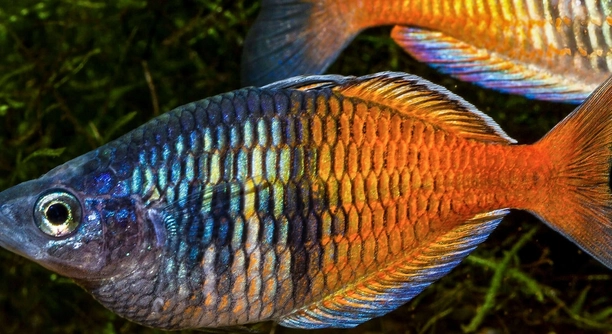
Rainbow fish are known for their vibrant colors and graceful movements, but their behavior can often spark curiosity. One such behavior is when they rest with their gills slightly moving. This is a common sight for many aquarium enthusiasts.
Rainbow fish rest with their gills slightly moving to maintain a consistent flow of water over their gills. This helps with respiration, ensuring oxygen is properly exchanged even while they are at rest. It’s a natural, essential behavior.
Understanding the reasons behind this movement will provide you with a better insight into how rainbow fish breathe and maintain their health.
Why Do Rainbow Fish Rest With Their Gills Slightly Moving?
Rainbow fish may appear to be resting, but their gills are still slightly moving. This behavior is often seen in both wild and aquarium settings. When fish rest, they need a continuous flow of water over their gills to extract oxygen. Even while they seem calm, the slight movement of their gills ensures they can still breathe effectively. It’s a natural instinct that helps them survive in a variety of environments. This behavior is seen across many fish species and is vital for their well-being. Without it, fish would struggle to get enough oxygen, even in a resting state.
The movement is subtle but crucial for oxygen exchange. When fish rest with minimal activity, they rely on the flow of water to pass over their gills, allowing them to extract oxygen without needing to swim constantly.
As the fish remain still, their body’s natural mechanism keeps oxygen moving through the gills, ensuring they are not deprived of essential air. The rate of gill movement may vary depending on water conditions, but it remains an essential survival function. Fish rely on this behavior to thrive in their aquatic environments, whether they are in the wild or in a tank.
How Does Water Flow Affect Gill Movement?
Water flow plays a key role in how rainbow fish manage oxygen intake. If the water in the tank is stagnant, the fish may need to work harder to ensure enough oxygen reaches their gills. This is why it’s important to maintain a steady flow in the aquarium.
When water flow is optimal, rainbow fish can rest more comfortably while still receiving adequate oxygen. In natural environments, water movement is constant, helping fish breathe effortlessly. In aquariums, using a filter or aerator can mimic these conditions. Fish will use the slightest water movement to help maintain oxygen flow over their gills, leading to healthier behavior and breathing.
Water flow not only affects how rainbow fish rest, but it also influences their overall health. Poor water movement can lead to low oxygen levels, which may result in stress or even health issues. Providing the right flow, alongside proper filtration, helps ensure that the fish breathe without strain, even during rest.
How to Recognize Healthy Gill Movement in Rainbow Fish
Healthy gill movement is subtle but noticeable. If you observe your rainbow fish and their gills are gently pulsing, this indicates they are breathing properly. Rapid or irregular gill movement may signal stress or oxygen deprivation.
It’s important to monitor gill movement as part of maintaining your fish’s overall health. Regular, even movements suggest the fish are comfortable and receiving sufficient oxygen. If the movement becomes too fast or slow, it may be a sign of poor water conditions or a potential health problem.
What Happens When Oxygen Levels Are Low?
Low oxygen levels in the water can cause a rainbow fish to become more active in an attempt to get enough air. This can increase the speed and frequency of their gill movement. Over time, this may lead to exhaustion or stress.
In tanks where oxygen levels are low, fish may also display erratic behaviors, such as gasping or swimming near the surface. This is often a sign that the water needs better aeration. Adding an air stone or adjusting the filter can help improve oxygen levels, which will reduce stress and help the fish breathe more easily.
Factors That Impact Oxygen Flow
Water temperature and tank size are key factors that influence how well rainbow fish can extract oxygen. Warmer water holds less oxygen, so it’s important to keep the tank at a stable temperature to avoid stress. Large tanks tend to have better oxygen flow.
A well-maintained tank with good water circulation provides fish with a steady flow of oxygen, which is critical for their health. Additionally, ensuring that the tank is not overcrowded helps prevent competition for oxygen, allowing each fish to rest and breathe easily without strain.
FAQ
Why do rainbow fish move their gills even when resting?
Rainbow fish move their gills while resting to ensure they continue to extract oxygen from the water. Even though they aren’t swimming actively, their body still requires oxygen. The slight movement helps maintain a flow of water over their gills, preventing suffocation. This is a natural behavior in fish, allowing them to breathe while conserving energy.
What should I do if I notice irregular gill movement in my rainbow fish?
Irregular gill movement can indicate stress or poor water conditions. If the movement is too fast or slow, check your water parameters immediately. Ensure that the oxygen levels are sufficient, the temperature is stable, and the tank is not overcrowded. If the fish are still struggling, consider adding an air pump or adjusting the filter to improve oxygen circulation.
Can low oxygen levels affect my rainbow fish’s health?
Yes, low oxygen levels can significantly impact the health of rainbow fish. When oxygen is scarce, fish may display symptoms such as rapid gill movement, gasping at the water’s surface, or increased restlessness. Over time, this stress can weaken their immune system, making them more susceptible to diseases. Proper water aeration and circulation are key to maintaining their health.
How can I improve oxygen levels in my tank?
To improve oxygen levels, ensure that your aquarium has adequate water movement. Adding an air stone or upgrading the filter can help increase oxygen exchange. It’s also helpful to perform regular water changes and monitor your fish’s behavior for any signs of distress. Additionally, avoid overcrowding the tank to reduce competition for oxygen.
Does water temperature affect how rainbow fish breathe?
Yes, water temperature affects how rainbow fish breathe. Warm water holds less oxygen, which can make it harder for fish to get enough air. If the temperature is too high, fish may start breathing more rapidly and restlessly. Keeping the water at a stable, appropriate temperature—usually between 72-78°F (22-26°C)—helps maintain a healthy oxygen level for your fish.
How do I know if my rainbow fish is stressed?
Rainbow fish show signs of stress in several ways. Apart from irregular gill movement, they may swim erratically, stay near the surface of the water, or hide more than usual. Stress can also cause changes in color or eating habits. If you notice these signs, check the water conditions immediately, and address any issues, such as oxygen levels or water quality.
Can poor water quality affect gill movement in rainbow fish?
Yes, poor water quality can lead to abnormal gill movement in rainbow fish. High levels of ammonia, nitrites, or nitrates can irritate their gills, causing them to move more rapidly. Additionally, dirty or polluted water can make it harder for fish to extract oxygen, leading to increased gill movement as they try to breathe. Regular water testing and maintenance are essential to keep your fish healthy.
Is it normal for rainbow fish to rest at the bottom of the tank?
Yes, it’s normal for rainbow fish to rest at the bottom of the tank, especially during periods of rest or sleep. However, they should still show slight gill movement to breathe. If they are resting without moving their gills, this could indicate a problem, such as low oxygen levels or health issues. Always monitor their behavior to ensure they are breathing properly.
How often should I check the water in my tank for oxygen levels?
It’s a good idea to check the water quality at least once a week to ensure oxygen levels and other parameters are within the ideal range. Regular testing of the pH, ammonia, nitrite, and nitrate levels is also important to catch potential problems before they affect your fish. If your rainbow fish show signs of distress, test the water more frequently.
Can rainbow fish adapt to lower oxygen levels?
While rainbow fish can tolerate a certain range of oxygen levels, they cannot adapt to consistently low oxygen environments. Prolonged exposure to low oxygen can cause stress, weakened immune systems, and even death. To ensure their well-being, it’s crucial to maintain optimal water conditions, including sufficient oxygen levels, through good filtration and aeration.
Final Thoughts
Understanding why rainbow fish rest with their gills slightly moving helps in recognizing their natural behaviors and ensuring their well-being. This subtle gill movement is crucial for their oxygen intake, even when they are not actively swimming. By maintaining proper water conditions, such as adequate oxygen levels and good water flow, you can support your fish’s health and comfort. Rainbow fish are adaptable, but they rely on their environment to meet basic needs like oxygen.
The movement of their gills while resting is an essential survival mechanism that enables them to breathe without needing to be constantly active. This behavior is seen in many fish species, not just rainbow fish. It’s important to monitor their gill movement regularly, as abnormal patterns can be an early sign of stress or poor water quality. Small changes in water temperature, flow, or oxygen levels can lead to noticeable effects on your fish’s breathing patterns.
Maintaining a healthy, balanced aquarium environment is key to preventing stress and ensuring that your rainbow fish thrive. Regular water changes, using filters and aerators, and avoiding overcrowding can help provide optimal conditions for your fish. By understanding the reasons behind their gill movement, you can better care for your rainbow fish and create a stable environment where they feel comfortable and healthy. A little attention to these details goes a long way in keeping your fish happy and active.

Hello,
If you enjoy the content that we create, please consider saying a "Thank You!" by leaving a tip.
Every little bit helps us continue crafting quality advice that supports the health, happiness, and well-being of pets around the world, for pets of all shapes, sizes, and species.
We really appreciate the kindness and support that you show us!