
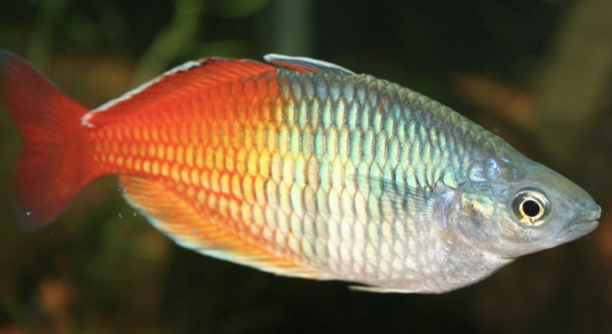
Rainbow fish are beautiful creatures often kept in aquariums. They have colorful scales and are generally peaceful. But as aquarium owners, we might wonder how well these fish interact with one another over time.
Rainbow fish do recognize their tankmates over time. They have the ability to remember and distinguish between different individuals, even forming social bonds within their groups. This behavior helps them maintain group structure and avoid conflicts.
Understanding how rainbow fish remember their tankmates can improve the harmony in your aquarium. It is fascinating to learn how these fish develop relationships and adapt to their environment.
Do Rainbow Fish Have Memory?
Rainbow fish do have the ability to remember their tankmates, and it goes beyond just recognizing faces. They have an impressive memory system that helps them form relationships with other fish in the tank. Over time, they learn to recognize who belongs in their group and who doesn’t. This ability is quite important in an aquarium environment, as it helps them interact more smoothly with other fish. They may not have the advanced memory that humans do, but they can distinguish between familiar and unfamiliar fish, which is important for maintaining a peaceful community in the tank.
Rainbow fish, when kept in groups, tend to develop bonds with certain tankmates. These connections are not always based on dominance or hierarchy but rather on comfort and familiarity. It’s similar to how people get used to seeing familiar faces every day.
Fish like rainbow fish also use their memory to avoid conflict. By remembering past interactions, they know who to avoid or interact with more peacefully. This helps reduce stress in the tank, allowing them to thrive.
How Memory Affects Tank Behavior
Rainbow fish are social creatures, and their memory helps them live harmoniously with other fish. Their ability to recognize and remember others helps in reducing unnecessary aggression. It also enables them to form social structures where they know which fish are dominant or subdominant.
Over time, rainbow fish develop a sense of territory and group dynamics. This can lead to less stress as they settle into a pattern of behavior. Tankmates that have been together for a while might even begin to swim together in the same area, reinforcing their memory of each other. Maintaining these social relationships can lead to a healthier aquarium where the fish are not constantly stressed out by new introductions or unfamiliar interactions. In addition, familiar tankmates are less likely to engage in aggressive behavior, creating a peaceful environment where all fish feel safe and secure.
Memory and Tank Harmony
Rainbow fish form connections with their tankmates based on memory. This helps them avoid unnecessary conflict, promoting peace in the tank. Their ability to remember each other reduces stress, making the aquarium environment more comfortable for everyone.
With memory, rainbow fish can identify which fish belong to their group. This recognition is crucial for reducing aggression and establishing a balance in the tank. Fish that are familiar with each other are more likely to coexist peacefully. In a well-established tank, you’ll notice they swim together and interact more calmly. Their memory ensures there’s less territorial fighting and more cooperation between tankmates. As a result, these fish thrive in a stable environment.
Over time, as fish interact with the same individuals, they start to build stronger bonds. This familiarity helps create a stable social structure. When adding new fish to the tank, the existing ones may show some signs of aggression or hesitation. However, once they recognize the new fish, they will adapt to their presence. The more time fish spend together, the more peaceful the aquarium environment will become.
Impact of Changing Tankmates
When tankmates are introduced or removed frequently, it can disrupt the rainbow fish’s sense of security. Their ability to form stable relationships relies on consistency in their environment. Constant changes lead to stress and confusion among the fish. This is why maintaining a consistent group of tankmates is important for long-term harmony.
Rainbow fish are more likely to recognize and remember their regular tankmates, which helps in forming a peaceful environment. When fish are moved around too often, they lose their established social structure. This disruption can cause stress as the fish struggle to adapt to new companions. Even if a new fish is added, the established fish may exhibit signs of aggression until they become familiar with the newcomer. Reducing the frequency of changes allows the fish to maintain their social bonds and better adapt to the tank environment.
Behavior Changes Over Time
Rainbow fish may show different behaviors as they get used to their tankmates. As they recognize each other, they become more comfortable and peaceful. Over time, you’ll notice less aggression and more cooperative interactions, especially in well-established tanks where the fish have become familiar with one another.
When tankmates stay the same, the fish settle into a routine. They may swim in the same areas, share space more peacefully, and interact less aggressively. This is a sign that the fish have recognized their fellow tankmates and adjusted their behavior to create a more harmonious environment.
The Role of Social Structure
Rainbow fish tend to develop a social structure within the tank, where some may become more dominant while others take a more submissive role. This structure is part of their natural behavior and can help keep the peace. The fish’s memory helps reinforce these roles over time, which reduces conflict.
As the fish grow familiar with each other, the dominant individuals are usually able to assert their position without causing excessive tension. This natural pecking order helps ensure that all fish know their place in the tank. When you add new fish, this order may be disrupted until the newcomers settle in.
Tankmate Compatibility
Compatibility plays a key role in how well rainbow fish remember and interact with their tankmates. Some fish are naturally more compatible with rainbow fish, while others may cause stress and aggression. Choosing the right companions can help prevent disruption to their social dynamics.
When selecting new tankmates, it’s important to consider their temperament and behavior. Rainbow fish do best with peaceful species that won’t disrupt the calm atmosphere they’ve established. Choosing tankmates with similar needs ensures that the rainbow fish can continue to live in harmony with their companions.
FAQ
Do rainbow fish recognize their owners?
Rainbow fish don’t have the ability to recognize their owners in the same way a dog or cat might. However, they can become accustomed to the presence of their owner and may respond to your movements. Over time, they may learn that you’re the one who feeds them. You may notice that they approach the tank more eagerly when you’re nearby, expecting food or attention. Still, this recognition is not the same as the bond that pets like dogs or cats form with humans.
How long does it take for rainbow fish to recognize their tankmates?
Rainbow fish usually take a few weeks to fully recognize their tankmates. This time frame depends on various factors, including the size of the tank, the number of fish, and the stability of their environment. As fish get used to each other’s presence, they’ll begin to display less aggressive behavior and interact more peacefully. In a well-established tank with familiar tankmates, the fish will quickly adjust and form bonds with others.
Can rainbow fish live with other species?
Rainbow fish can live with other peaceful species in the tank. They are generally non-aggressive and do well with a variety of tankmates, as long as the other fish are similarly peaceful and not overly territorial. When choosing companions for rainbow fish, it’s important to avoid aggressive species that could cause stress or conflict. Fish like tetras, rasboras, and peaceful catfish often make good companions. Just ensure that all the fish in the tank have similar water temperature and quality needs.
Do rainbow fish fight with each other?
While rainbow fish are generally peaceful, they may show some aggression toward each other, especially if the tank is overcrowded or there is a lack of space. In larger groups, the aggression tends to be minimal, as they establish a social structure. However, when kept in small numbers, you might notice more skirmishes, especially among males vying for dominance. To reduce fighting, it’s recommended to keep them in groups of at least six or more, providing them with plenty of space to swim.
How do rainbow fish interact with each other?
Rainbow fish interact in a variety of ways. They often swim together in schools, especially when they feel safe. They use their memory to recognize tankmates and establish social bonds, leading to cooperative behavior. As they get more familiar with one another, they may share territories, swim in close proximity, and display less aggressive behavior. In groups, rainbow fish usually create a calm and peaceful environment. If aggression occurs, it’s often related to territorial disputes, which can be minimized by providing adequate space and hiding spots.
Can rainbow fish live with aggressive fish?
It’s not recommended to house rainbow fish with aggressive fish. While rainbow fish are generally peaceful, they can become stressed or injured by more aggressive species. Aggressive tankmates may chase, nip, or outcompete rainbow fish for food, leading to unnecessary stress. If you’re considering keeping them with other species, be sure to choose tankmates that share similar temperaments and won’t threaten the rainbow fish. Keep in mind that rainbow fish tend to thrive in peaceful, calm environments.
What is the best tank setup for rainbow fish?
Rainbow fish do well in tanks that provide plenty of swimming space, hiding spots, and stable water conditions. A tank with a capacity of at least 20 gallons is ideal for a small group of rainbow fish. They thrive in a well-planted tank with gentle filtration, and adding floating plants can help mimic their natural environment. It’s important to maintain consistent water parameters, including temperature, pH, and hardness. Rainbow fish also enjoy tanks with smooth rocks and driftwood to provide shelter and areas to explore.
Do rainbow fish need to be kept in groups?
Yes, rainbow fish should be kept in groups to ensure their well-being. These fish are naturally social and do best when they have companions. In groups, they form social structures, reducing stress and aggression. Keeping rainbow fish in a group also encourages them to exhibit natural behaviors, like schooling and interacting. Aim to keep at least six rainbow fish together to promote a peaceful and healthy environment. Keeping them in smaller groups can lead to stress and territorial disputes.
Are rainbow fish hard to care for?
Rainbow fish are relatively easy to care for, making them a popular choice for beginner aquarists. They are hardy fish that adapt well to a variety of water conditions, though it’s important to maintain stable water parameters. Regular water changes, proper filtration, and a balanced diet will keep them healthy. As long as they are housed with compatible tankmates and have enough space, rainbow fish can thrive with minimal effort. Their vibrant colors and peaceful nature make them a rewarding addition to any aquarium.
How do I prevent aggression among rainbow fish?
To prevent aggression among rainbow fish, it’s important to maintain a properly sized tank and keep them in groups of at least six individuals. The more fish in the group, the less likely aggression will occur. Providing plenty of hiding spots, such as plants, rocks, and driftwood, can help fish feel secure and reduce territorial disputes. Additionally, ensure that the tank is not overcrowded and that there is plenty of space for the fish to swim freely. When these conditions are met, aggression among rainbow fish is usually minimal.
Final Thoughts
Rainbow fish are fascinating creatures that bring vibrant colors and peaceful behavior to any aquarium. Over time, these fish form bonds with their tankmates and recognize each other, creating a more harmonious environment. Their ability to remember and distinguish their fellow fish helps in reducing aggression and stress. While they are not as interactive with humans as pets like dogs or cats, they can become familiar with their owners and show excitement when it’s time for feeding. Understanding how rainbow fish interact with their tankmates and how their memory works is crucial for maintaining a peaceful aquarium.
Keeping rainbow fish in a stable and consistent environment is essential for their well-being. Frequent changes in the tank’s population can lead to stress and disrupt their social structure. It’s important to introduce new fish slowly and give the existing ones time to adjust. When tankmates are compatible and the environment remains stable, rainbow fish can thrive. They enjoy the company of other peaceful fish and, in turn, contribute to the overall balance of the tank. Ensuring that they have plenty of space and hiding spots also helps reduce any potential aggression. With proper care, rainbow fish can live peacefully with their companions for years.
In conclusion, rainbow fish are a great addition to any aquarium. Their ability to recognize and remember their tankmates allows them to create peaceful social dynamics within the tank. By understanding their social needs and providing a stable environment, you can ensure that these fish will thrive in your aquarium. They are hardy and low-maintenance, making them a good choice for beginners and experienced aquarists alike. With the right setup and a little attention, rainbow fish can offer both beauty and tranquility to your aquatic space.

Hello,
If you enjoy the content that we create, please consider saying a "Thank You!" by leaving a tip.
Every little bit helps us continue crafting quality advice that supports the health, happiness, and well-being of pets around the world, for pets of all shapes, sizes, and species.
We really appreciate the kindness and support that you show us!