
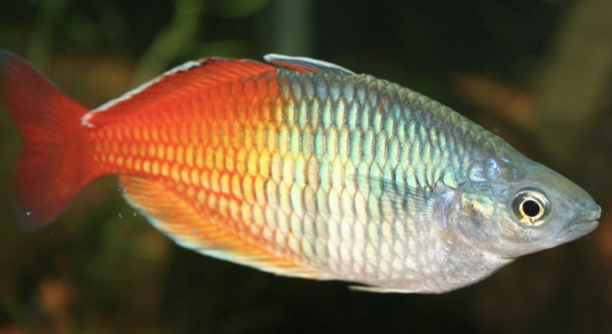
Some items might seem harmless in a tank, but they can cause serious harm to the animals inside. Understanding what not to add to your pet’s environment is crucial for their health and well-being.
Adding inappropriate objects to a tank can introduce harmful chemicals, bacteria, or alter the water quality, endangering your pet’s health. Items like household cleaners, sharp objects, and certain decorations can disrupt the delicate balance of their environment.
Knowing what not to put in your pet’s tank is just as important as choosing what to add. Understanding the risks can make all the difference in creating a safe, healthy habitat.
Household Cleaners
Household cleaners might seem harmless, but they can be incredibly toxic to your pets. Even small traces left in the tank can harm fish, amphibians, or other tank dwellers. Many cleaners contain chemicals that are harmful when ingested or when they come into contact with skin. Pets often interact with their environment in ways we don’t always notice, like licking objects or swimming through water treated with chemicals. This can lead to serious health issues such as poisoning or skin irritation. Always be sure to wash hands and any objects thoroughly before placing them in the tank.
Pets are sensitive to chemicals, and even a little residue can cause big problems. It’s essential to choose non-toxic alternatives when cleaning areas around your pet’s tank.
When it comes to cleaning, a simple rinse with water is often enough. There are also pet-safe cleaning products available, so make sure to use them. Keeping the tank clean is important, but it’s equally crucial to ensure that nothing harmful is left behind.
Sharp Objects
Sharp objects can easily harm your pet. Items like broken glass, sharp rocks, or metal decorations can injure fish or amphibians. If something sharp is present, it can cut or scratch the delicate skin of your pets, causing infections or serious injuries.
It’s important to check that everything in the tank is smooth and safe. Avoid decorations or objects with sharp edges that can pose a risk. Even seemingly harmless items, like coral, can cause harm if they have jagged parts. If you’re unsure, always opt for decorations specifically designed for aquariums, which are safe for pets.
Always inspect the tank carefully for any broken or rough objects, and replace them immediately. The tank environment should be safe, as your pets rely on it to thrive. By ensuring there are no sharp edges, you reduce the risk of injury and help maintain a peaceful habitat for your animals.
Plastics
Plastics are a common but risky choice for tank decorations. Over time, plastic objects can deteriorate and release chemicals into the water. These chemicals can negatively affect your pet’s health, causing problems like skin irritation, infections, or even poisoning. Some plastics may also break into small pieces that can be swallowed, creating blockages or other serious issues.
When choosing decorations or accessories, make sure they’re made from safe, non-toxic materials. Avoid plastic plants or toys that aren’t made for aquarium use. Instead, look for items made from glass, ceramic, or other materials designed to safely be in water. If you do have plastic items in the tank, check them regularly for any signs of wear and tear.
Tanks should be a safe, healthy environment, and using safe materials plays a big part in that. Stick to safe alternatives that won’t deteriorate over time and pose risks to your pets. It’s better to invest in quality items than risk damaging your pets’ health with harmful plastics.
Artificial Plants
Artificial plants can be harmful to your pet’s tank. Over time, they may shed small pieces or deteriorate, which can create a mess in the water. These broken bits can be ingested or affect the water quality.
Choose plants designed for aquarium use, as they are made from materials that won’t harm your pets. Look for soft, non-toxic materials that won’t tear easily. Avoid any artificial plants with sharp edges or those that might release harmful chemicals.
The right plants not only improve the look of your tank but also support a healthier environment for your pets. Always inspect artificial plants regularly for any signs of damage to keep your tank safe.
Food Items
Some food items should never be placed in the tank. For example, feeding your pet human food can cause digestive problems, bacteria growth, or an unhealthy water environment. Even leftover fish food can quickly spoil and pollute the water.
Ensure that you’re offering your pets the correct food for their species. Only provide food that is specially formulated for your pet’s needs. Excess food should be removed promptly to avoid contamination. Keeping the tank clean is just as important as choosing the right food.
Metals
Metal objects can quickly rust when submerged in water, releasing toxins that harm your pets. Rusty decorations or metal structures can affect the water’s chemistry and endanger your pet’s health. Avoid using metals unless they are specially designed for aquarium environments.
FAQ
Can I use regular rocks from outside in my tank?
While rocks from outside may seem like a natural choice for your pet’s tank, they can actually cause more harm than good. Rocks found outdoors may contain sharp edges, dirt, or bacteria, and some may leach harmful chemicals into the water. Certain rocks, like limestone, can alter the water’s pH, which can stress or harm your pets. Always clean and thoroughly inspect any rocks before adding them to the tank, or better yet, buy aquarium-safe rocks. It’s always safer to use materials specifically made for aquarium use to ensure your pets’ safety.
Are live plants better than artificial ones?
Live plants can offer several benefits for your pet’s tank, such as oxygenating the water and providing hiding spots for fish. However, they require more maintenance and care than artificial plants. Live plants need proper lighting, nutrients, and occasional pruning. They also require a stable environment to thrive, which might not always be easy to achieve, especially for beginners. Artificial plants, on the other hand, are low-maintenance but can still create a visually appealing environment. Whether to go with live or artificial plants depends on your time, experience, and the specific needs of your tank’s inhabitants.
Can I use any type of sand in my aquarium?
Not all sand is suitable for aquariums. Certain types, such as construction sand or sand from the beach, can contain harmful impurities like salt or chemicals that can harm your pet. When choosing sand for an aquarium, opt for silica sand or sand that is specifically labeled for aquarium use. This ensures it is free of harmful substances and safe for your pets. Additionally, be mindful of the grain size; very fine sand can compact and cause issues with water flow and oxygenation, while larger grains are better for some types of aquarium setups, like those with bottom-dwelling creatures.
Is it safe to put shells in my aquarium?
Shells from the beach or collected outside can be pretty, but they might not be safe for your aquarium. Many shells are made of calcium carbonate, which can change the water’s chemistry and raise the hardness or pH levels. This can stress aquatic animals, especially those that require more stable conditions. If you do decide to add shells to the tank, ensure they are thoroughly cleaned and properly prepared. It’s always best to research the specific needs of your tank before introducing any natural materials like shells.
What about driftwood? Can I use it in the tank?
Driftwood can be a wonderful addition to your aquarium, as it adds natural beauty and provides hiding spots for fish and other pets. However, it’s important to choose driftwood that is properly prepared and safe for your tank. Driftwood should be cleaned and soaked to remove excess tannins, which can cause the water to turn yellow and lower the pH. You should also be careful with driftwood that may contain harmful mold or bacteria. Always ensure it’s been properly cleaned and sterilized before adding it to the tank.
Can I use any kind of glass in my aquarium?
While glass is commonly used in aquariums, not all glass is suitable for aquatic environments. If you plan to use glass decorations or items in your tank, make sure they are specifically designed for aquarium use. Regular glass may break more easily or have sharp edges that could harm your pets. Items made from aquarium-safe glass are typically durable and free from harmful chemicals. When in doubt, choose items that are labeled as aquarium-safe, as they are tested to ensure they won’t leach harmful substances into the water.
Are ceramic decorations safe for aquariums?
Ceramic decorations are usually safe for aquariums, but it’s important to ensure that they don’t have any toxic glazes or coatings. Many ceramic items are made for aquarium use and are safe once cleaned properly. However, some pottery or decorative items may contain lead-based glazes or other harmful substances that can leach into the water. Always check that the ceramic items are safe for aquatic environments before placing them in the tank. It’s also a good idea to inspect them for any cracks, as these can harbor harmful bacteria.
Should I avoid using plastic items in my aquarium?
Plastic items can be problematic if not carefully selected. Many plastics are not designed for long-term use in aquariums and can degrade, releasing harmful chemicals into the water. Some plastic decorations or plants may also have sharp edges that could harm your pets. If you want to use plastic in the tank, make sure it is labeled as aquarium-safe and made from non-toxic materials. Regularly inspect these items for signs of wear, and if they show any signs of breaking down, remove them immediately to avoid water contamination or injury to your pets.
What kind of substrate is best for my aquarium?
The type of substrate you use depends on the kind of pets you have in your tank. Fish and plants have different needs when it comes to substrate. For example, fish like bottom-dwellers may need a softer substrate like fine sand, while plants might do better in nutrient-rich gravel. Always research the needs of your pet species to select the best substrate for them. Be mindful of the substrate’s effect on water quality, as some can hold onto waste and cause an imbalance in the tank’s environment. Make sure the substrate you choose supports both your pets’ and plants’ needs.
Can I use tap water in my aquarium?
Tap water is often treated with chlorine or chloramine, which can be harmful to your pets. While it might seem convenient, it’s best to treat tap water before adding it to the tank. Use a water conditioner specifically designed to remove chlorine, chloramine, and heavy metals. Additionally, check the water’s pH, hardness, and temperature to ensure it matches your pet’s needs. In some cases, tap water may not be ideal for certain species, especially those requiring specific water conditions. Always monitor water quality regularly to ensure a safe environment for your pets.
Final Thoughts
Creating a safe and healthy environment for your pets means being careful about what you put in their tank. While many objects may seem harmless, they can pose risks that affect your pet’s well-being. It’s important to avoid common items like household cleaners, sharp objects, and certain plastics that can pollute the water or cause harm to your pets. Always ensure that any decorations or accessories are made from materials that are safe for aquatic life. The more you understand the risks of adding certain items, the better equipped you’ll be to create a thriving habitat for your pets.
Another key aspect is to constantly monitor the tank’s environment. Even safe items can wear down or degrade over time, so regular checks are necessary. For instance, plastic decorations can break or get sharp edges, while live plants can decay and affect water quality if not properly cared for. It’s a good idea to inspect everything in the tank periodically to ensure that everything is still in good condition and safe for your pets. When in doubt, always go for items that are specifically designed for aquariums. They are often tested for safety and durability, making them a reliable choice for your pets’ tank.
Finally, maintaining a healthy tank involves more than just avoiding dangerous items. Regular cleaning, water changes, and appropriate feeding are all vital to ensuring your pets stay healthy and happy. Having a clear understanding of what can harm them and how to prevent it will help you create a balanced and thriving tank environment. In the end, the goal is to provide a space where your pets can live in peace and safety, allowing them to grow and flourish in a properly maintained habitat.

Hello,
If you enjoy the content that we create, please consider saying a "Thank You!" by leaving a tip.
Every little bit helps us continue crafting quality advice that supports the health, happiness, and well-being of pets around the world, for pets of all shapes, sizes, and species.
We really appreciate the kindness and support that you show us!