
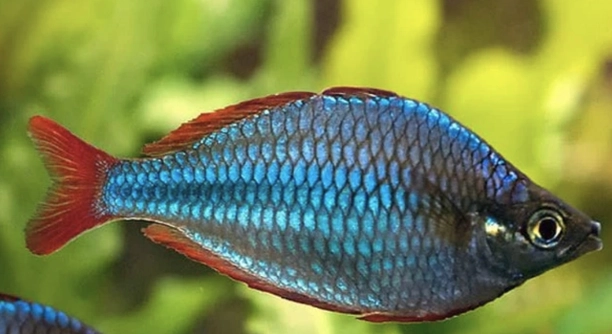
Rainbow fish are beautiful additions to aquariums, but maintaining their comfort during warmer months can be tricky. Summer heat might affect their health if the water temperature rises too high.
High water temperatures can lead to stress and health issues for rainbow fish. They thrive in stable, cooler environments, and exposure to excessively warm water can lead to reduced oxygen levels, poor immune function, and even death.
Understanding how to regulate their environment can make all the difference. Keeping their tank temperature in a safe range ensures their well-being during hot summer months.
Temperature Tolerance for Rainbow Fish
Rainbow fish are sensitive to changes in water temperature. They prefer water between 72-78°F (22-26°C), and anything above 80°F (27°C) can stress them. The higher the temperature, the lower the oxygen levels in the water, which can impact their health. In addition to the heat, poor filtration can compound the issue, leaving your fish vulnerable. If the water temperature increases gradually, the fish may adapt, but sudden changes can be detrimental. It’s important to monitor the temperature consistently and take action if it rises too much.
It’s helpful to use a thermometer to track the water temperature regularly. This simple step can prevent health issues before they arise.
If you notice your rainbow fish becoming sluggish or hiding, the temperature could be a factor. Stress can make them more prone to diseases. You should act quickly to correct the environment, either by lowering the temperature gradually or adding more aeration to boost oxygen levels. Regular water changes are also key to ensuring your fish stay healthy.
How to Lower the Temperature
The easiest way to reduce the temperature in your aquarium is by increasing water movement. Adding a more powerful filter or air pump can help. Ice packs or frozen water bottles placed in the tank will also work, but be sure to monitor the temperature closely.
Be cautious when using ice packs, as drastic changes in temperature can stress your fish even further. Start with small adjustments, and keep an eye on your fish’s behavior. If the water cools too quickly, it could shock them. Gradually lowering the temperature is the best method.
If your home heats up during summer, consider moving the tank to a cooler area. Avoid placing it near windows or in direct sunlight. Even with a stable cooling system, consistent high heat in the room can still make it difficult to regulate the tank temperature properly. Air conditioning or fans in the room can further help in maintaining a comfortable environment.
The Importance of Aeration
As temperatures rise, the oxygen levels in your aquarium decrease. This can make your rainbow fish struggle to breathe. Adding extra aeration with a small air pump can improve oxygen flow and help fish breathe easier. It’s a simple yet effective way to reduce stress in high-temperature conditions.
Aeration not only helps fish get more oxygen but also ensures better water circulation. This prevents stagnant water, which can lead to harmful bacteria growth and further strain your fish’s health. It’s essential to ensure the water doesn’t become oxygen-deprived, especially during hot months. Regularly check the air pump to make sure it’s working efficiently.
To help with aeration, you can also use a sponge filter. These filters provide gentle water movement, improving both oxygen levels and water quality. Sponge filters are a great option for tanks with delicate fish like rainbow fish, as they maintain stability without causing additional stress.
Monitoring Water Quality
Hot temperatures can cause water quality to decline quickly. As oxygen levels drop and bacteria grow, it becomes harder to keep the tank clean. Regular water changes and testing the water parameters are essential to maintain a healthy environment for your rainbow fish.
Keep an eye on ammonia and nitrite levels, as these can rise quickly in warmer water. Elevated levels of these toxins can stress your fish and lead to illness. Ensure your filtration system is running efficiently to handle any increases in waste. Adding a water conditioner can help maintain water quality.
Avoid Overfeeding
Overfeeding can worsen water quality in warmer conditions. Extra food in the tank leads to excess waste, which can cause toxins to build up faster. Keep feeding to a minimum, offering only what your fish can consume in a few minutes.
This helps maintain a cleaner tank, reducing the likelihood of harmful bacteria and algae growth. Excess food also contributes to cloudiness in the water, further impacting the fish’s environment. You’ll have healthier fish and a cleaner tank by simply avoiding overfeeding.
FAQ
Can rainbow fish tolerate high temperatures?
Rainbow fish can tolerate warm water, but only up to a certain point. They prefer temperatures between 72-78°F (22-26°C). Anything above 80°F (27°C) starts to stress them out. Prolonged exposure to high temperatures can lower oxygen levels, weaken their immune system, and even lead to death. It’s best to keep the tank temperature within the recommended range to maintain their health.
How can I tell if my rainbow fish are stressed due to heat?
Stressed rainbow fish may display signs such as rapid breathing, lethargy, hiding more often, or swimming near the surface to get more oxygen. If you notice these behaviors, it’s a sign the water temperature might be too high, and you need to take action quickly.
What are the dangers of high water temperature for rainbow fish?
When the water temperature rises, oxygen levels in the tank decrease, making it harder for your fish to breathe. This leads to stress and reduces their immune response, making them more susceptible to disease. Prolonged exposure to high temperatures can cause irreversible damage or even death in severe cases.
How often should I check the temperature of my tank?
It’s a good practice to check the temperature daily, especially during warmer months. A reliable aquarium thermometer can help you monitor the water temperature and ensure it stays within the ideal range. Frequent checks allow you to address temperature changes before they affect your fish’s health.
Can I use ice to cool down the tank?
Yes, you can use ice to cool down the tank, but do so carefully. Placing ice cubes in a sealed plastic bag and floating it in the tank is a good method. This ensures the ice melts slowly and prevents a sudden drop in temperature, which could stress your fish further.
How does high temperature affect oxygen levels?
As water temperature rises, the amount of dissolved oxygen decreases. This is a major problem for fish, as they rely on oxygen to survive. When oxygen levels drop too low, it can lead to suffocation, causing stress, lethargy, or even death in extreme cases. Proper aeration is essential during hot months.
What are the best ways to cool my tank during summer?
There are several ways to cool down your tank during hot weather. Adding more aeration helps increase oxygen levels and water circulation. You can also place frozen water bottles in the tank or move the tank to a cooler spot in your home. Using a fan or air conditioning in the room can help maintain a stable temperature as well.
Is a sponge filter a good option for rainbow fish tanks?
Sponge filters are excellent for rainbow fish tanks, especially if you have delicate or small fish. They provide gentle filtration without disturbing the fish too much. Additionally, they help with aeration, which is beneficial during warmer months when oxygen levels are lower. Sponge filters also create less water turbulence, providing a more peaceful environment for your fish.
How often should I clean my rainbow fish’s tank during hot months?
During warmer months, it’s important to clean the tank more frequently. You may need to do partial water changes every week instead of every two weeks to maintain water quality. This helps reduce the buildup of toxins, as high temperatures can accelerate the breakdown of waste. Make sure to clean the filter regularly to ensure it’s functioning properly.
Should I adjust the feeding schedule in the heat?
Yes, during hot weather, it’s best to feed your rainbow fish less frequently. Overfeeding can increase waste and deteriorate water quality, especially when the fish are less active due to heat stress. Feed them smaller portions more often to prevent excess food from rotting in the tank.
Can high temperatures cause rainbow fish to stop eating?
Yes, high temperatures can cause rainbow fish to lose their appetite. Fish tend to eat less when they’re stressed, and warm water can increase their stress levels. If your fish are not eating, it’s important to check the water temperature and make adjustments to ensure the environment is comfortable for them.
Is it safe to add cold water to the tank to lower the temperature?
Adding cold water directly to the tank can cause rapid temperature fluctuations, which are stressful for fish. If you need to lower the temperature, do it gradually. Adding a small amount of cooler water over time or using ice packs in a sealed bag is a safer method.
Do rainbow fish need extra care in the summer?
Yes, rainbow fish require extra care during the summer months. High temperatures can affect their health, so it’s crucial to monitor the water temperature, oxygen levels, and water quality more frequently. Ensure their environment remains stable and avoid sudden changes that could cause stress or illness.
What temperature is too high for rainbow fish?
Temperatures above 80°F (27°C) are considered too high for rainbow fish. If the water consistently stays above this temperature, it can lead to serious health issues. Ideally, maintain a temperature range of 72-78°F (22-26°C) to keep your rainbow fish comfortable and healthy.
Can I use a chiller to cool the tank?
Yes, an aquarium chiller can be an effective way to maintain a stable temperature in your tank, especially during hot months. However, they can be costly. If you choose to use one, make sure it’s the right size for your tank to avoid overcooling or undercooling the water.
How does high water temperature affect the breeding of rainbow fish?
High water temperatures can affect the breeding habits of rainbow fish. Warmer water can lead to reduced spawning activity, as the fish may become too stressed to breed. To encourage breeding, ensure the water temperature remains within the recommended range and avoid fluctuations.
Final Thoughts
Maintaining the right water temperature is essential for the well-being of rainbow fish, especially during the warmer months. These fish are quite resilient but thrive best when their environment stays within a stable range. When temperatures rise too high, it can lead to a range of problems, from oxygen depletion to stress and disease. Keeping a close eye on the water temperature and making adjustments as needed will help prevent these issues and ensure your fish remain healthy.
In addition to monitoring the temperature, it’s important to also focus on other aspects of tank care, such as water quality and aeration. As temperatures increase, the oxygen levels in the water naturally decrease. To combat this, ensure you have proper aeration in place, either through air pumps or sponge filters, to keep the water moving and oxygenated. Regular water changes will also help prevent toxins from building up, especially during the summer when waste breaks down faster. It’s the combination of these factors that will create a stable and healthy environment for your rainbow fish.
Lastly, while it’s important to focus on keeping the water temperature in check, remember that other environmental factors, such as lighting and tank location, also play a role in your fish’s health. Avoid placing the tank in direct sunlight or near heat sources, as these can cause fluctuations in temperature that may stress the fish. Regularly monitor the tank’s overall condition, and make necessary adjustments as the seasons change. By staying proactive and aware of your rainbow fish’s needs, you can ensure they stay happy and thrive in their aquatic home.

Hello,
If you enjoy the content that we create, please consider saying a "Thank You!" by leaving a tip.
Every little bit helps us continue crafting quality advice that supports the health, happiness, and well-being of pets around the world, for pets of all shapes, sizes, and species.
We really appreciate the kindness and support that you show us!