
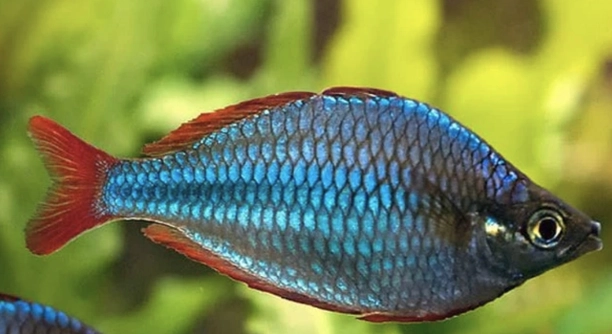
Have you ever wondered if the type of gravel you choose could affect the happiness and comfort of your rainbow fish? These colorful freshwater creatures are sensitive to their environment, making substrate choice an important part of aquarium care.
Rainbow fish generally prefer smooth gravel because it reduces the risk of injury and creates a more natural, stress-free environment. Rough or sharp gravel can harm their delicate fins and scales, potentially leading to infections or other health problems.
Learning more about how substrate choice impacts your rainbow fish can help you create a safer, more welcoming space for them to thrive.
Why Smooth Gravel Matters for Rainbow Fish
Smooth gravel plays an important role in keeping rainbow fish safe and comfortable. These fish are active swimmers with delicate fins that can easily tear if they brush against rough or sharp surfaces. Smooth gravel provides a safer foundation, reducing the chances of injury. It also mirrors the natural riverbeds and streams rainbow fish are used to in the wild, helping them feel more at home. Fish that are comfortable tend to display brighter colors, stronger appetites, and better overall health. Choosing the right gravel supports both their physical safety and emotional well-being. It also helps create a cleaner tank, as waste and leftover food are less likely to get trapped in smoother surfaces. Maintaining a clean environment is essential for preventing illness and encouraging vibrant behavior. A simple switch in substrate can make a noticeable difference in the quality of life for your rainbow fish without much extra effort.
Smooth gravel creates a calm and inviting environment, making it easier for rainbow fish to show natural behaviors and stay stress-free.
When selecting gravel, look for options labeled as “smooth” or “polished.” Avoid gravel with jagged edges or rough textures. A gentle surface is key for minimizing fin damage and preventing unnecessary stress for your fish.
How to Choose the Best Gravel for Your Rainbow Fish
Choosing the right gravel starts by considering the size, texture, and material to ensure it meets the needs of rainbow fish.
Gravel that is too large can trap debris, while gravel that is too small may compact and cause water flow problems. A medium-sized, smooth gravel works best for rainbow fish tanks. Look for gravel made from natural stone that has been polished for aquarium use. Brightly colored gravel may look appealing, but natural tones like browns, grays, and soft whites create a more calming environment for your fish. Always rinse the gravel thoroughly before adding it to the tank to remove dust and any small particles that could cloud the water. Good quality gravel not only keeps your fish safe but also improves the tank’s overall appearance. Some aquarium shops even offer gravel specifically recommended for delicate fish. Taking time to choose the right substrate can lead to a healthier, more vibrant tank where your rainbow fish will thrive and display their beautiful colors with confidence.
Common Mistakes When Choosing Gravel
Many people pick gravel based on color or price without thinking about how it affects their rainbow fish. Sharp or rough gravel can hurt delicate fins, and very large pieces can trap waste, making the tank harder to clean and maintain properly.
Choosing gravel that is too bright or unnatural in color can cause stress for rainbow fish. These fish prefer calm, natural-looking environments. Overly bright gravel can make the tank seem harsh and unfamiliar. Additionally, some dyed gravel can leak chemicals into the water, posing risks to fish health. Always make sure the gravel is safe for aquariums and free from harmful coatings. Another mistake is skipping the step of rinsing gravel before adding it to the tank. Dust and debris from manufacturing can cloud the water and harm fish gills. Taking extra care during setup will make a big difference in your fish’s comfort.
Using gravel that is too fine can cause compacting at the bottom of the tank. Compacted gravel reduces water flow and can create pockets where harmful bacteria grow. This problem can lead to unhealthy conditions in the aquarium. A smooth, medium-sized gravel allows better water circulation while being gentle on your rainbow fish. It is important to balance both comfort and tank health when making your choice. Regularly cleaning and stirring the gravel lightly during tank maintenance can also prevent debris buildup. Keeping the substrate healthy supports your fish’s active and colorful behavior, making your aquarium a better environment overall.
Tips for Setting Up the Gravel Properly
Start by rinsing the gravel several times in clean water to remove dust and small particles. This will help keep the aquarium water clear and safe for your rainbow fish from the beginning.
After rinsing, add the gravel gently into the tank to avoid cracking the glass. Spread an even layer across the bottom, aiming for about one to two inches in depth. Too much gravel can trap waste, while too little might not anchor plants properly. If you plan to use live plants, choose smooth gravel that is plant-friendly. Plants help create a more natural environment and add extra shelter for your fish. When placing decorations or plants, avoid pushing too hard into the gravel, as this can compact it and restrict water flow. Keeping the gravel evenly distributed and clean promotes better tank health and helps your rainbow fish stay active and happy. Regular maintenance will keep the environment thriving.
How Gravel Affects Tank Cleanliness
Smooth gravel helps prevent waste from getting trapped, making it easier to keep the tank clean. Waste sitting between rough or large gravel pieces can quickly cause poor water quality, which affects the health and happiness of rainbow fish.
Regularly vacuuming the gravel during water changes helps remove trapped debris. Smooth gravel allows the siphon to work more effectively, pulling waste from the surface without disturbing the fish too much. Clean gravel supports healthier water and reduces the chances of disease or bad odors in the aquarium.
Signs Your Rainbow Fish Are Happy With Their Gravel
Rainbow fish that are comfortable with their gravel choice often swim actively, display vibrant colors, and show healthy appetites. If you notice frequent hiding, dull colors, or frayed fins, it may be a sign that the substrate is uncomfortable or harmful to them. A happy fish is lively and alert.
Final Thoughts on Choosing the Right Gravel
Smooth, natural-colored gravel is the best option for supporting your rainbow fish’s health and comfort. Paying attention to substrate quality helps prevent injuries, supports better tank cleanliness, and promotes more natural behavior. A small choice like this can lead to a much healthier aquarium environment overall.
FAQ
Can rainbow fish live with sand instead of gravel?
Rainbow fish can live with sand, but it is not always the best option. Sand compacts more easily than gravel, which can cause harmful bacteria to build up if not cleaned regularly. Sand also tends to trap debris on the surface, requiring frequent gentle cleaning to prevent health problems. While some rainbow fish will tolerate sand, many feel more comfortable with smooth, small gravel that supports better water flow and a more natural environment. Choosing the right substrate depends on how much time you can dedicate to maintaining the tank and the overall setup you want.
What size gravel is best for rainbow fish tanks?
Medium-sized gravel, about 2–5 mm in diameter, is ideal for rainbow fish tanks. Gravel that is too large can trap too much waste, while gravel that is too small can compact and create unhealthy pockets. Smooth surfaces are important to protect the delicate fins and mouths of rainbow fish. This size also supports better plant anchoring if you include live plants in your setup. Always rinse any gravel before adding it to the tank to remove dust and prevent water cloudiness.
Do bright gravel colors stress rainbow fish?
Bright gravel colors can stress rainbow fish because they create an unnatural and intense environment. Rainbow fish are used to softer, more muted tones in the wild, and bright, neon-colored gravel can make them feel exposed and uncomfortable. Stressed fish often show faded colors, eat less, and may hide more often. Natural tones like brown, gray, or soft beige help create a calming environment that supports healthy behavior and vibrant coloring in rainbow fish. Choosing natural gravel not only looks better but also benefits your fish’s well-being.
How often should I clean the gravel in a rainbow fish tank?
You should clean the gravel every time you do a water change, usually once a week or once every two weeks. Using a gravel vacuum, remove debris and uneaten food trapped between the gravel pieces. Regular cleaning keeps the water quality high and prevents harmful bacteria from growing. Skipping gravel maintenance can lead to poor water conditions, stressing your rainbow fish and making them more vulnerable to disease. Consistent cleaning helps maintain a stable, healthy environment where your fish can thrive.
Can rainbow fish get injured by gravel?
Yes, rainbow fish can get injured by sharp or rough gravel. Their fins and mouths are delicate, and contact with rough surfaces can cause small tears, scrapes, or even infections. Using smooth, rounded gravel reduces this risk and helps rainbow fish move around their tank comfortably. Injury from the substrate can lead to more serious problems if bacteria enter the wound. Choosing the right gravel from the beginning can prevent many common health issues and make it easier for your fish to stay active and healthy.
Is it necessary to replace gravel over time?
Gravel does not usually need to be replaced unless it becomes damaged, overly dirty, or starts to affect water quality despite regular cleanings. Over time, waste buildup between gravel pieces can make cleaning less effective. If you notice persistent cloudiness, bad smells, or trouble keeping water parameters stable, it may be time to replace the gravel. When changing gravel, it is best to do it gradually to avoid shocking the fish. Replacing small sections at a time helps keep beneficial bacteria levels steady.
Should I use a gravel layer under live plants in the tank?
If you plan to grow live plants, using smooth, plant-safe gravel is a good idea. Some plants need additional nutrient-rich substrates below the gravel to grow properly. In this case, you can use a base layer designed for plants with a thin layer of smooth gravel on top to anchor roots without harming your rainbow fish. Proper planting not only benefits the plants but also helps create a more natural and calming environment for your fish. Live plants improve water quality and offer extra hiding spots.
Final Thoughts
Choosing the right gravel for rainbow fish is an important step in creating a healthy and comfortable aquarium. Smooth, small to medium-sized gravel helps protect their delicate fins and supports easier tank cleaning. Natural-colored gravel also provides a more calming and natural-looking environment, which encourages rainbow fish to display their best colors and most active behaviors. Paying attention to the type of substrate you use may seem small, but it has a lasting impact on your fish’s health, safety, and overall happiness in their home.
Many problems in fish tanks start with the wrong substrate. Rough, sharp, or oversized gravel can trap waste, hurt your fish, and make maintenance much harder. Using the right gravel makes it easier to keep the water clean, prevents injuries, and creates a peaceful place where your rainbow fish can thrive. Clean gravel also supports good bacterial growth, helping keep the tank balanced and healthy without needing constant corrections. When the environment is right, rainbow fish are more active, eat better, and show their natural behaviors more often.
Taking the time to set up the right gravel from the beginning can save a lot of trouble later. Smooth gravel, regular cleaning, and attention to your fish’s behavior are simple ways to create a healthy tank. Watching your rainbow fish swim, feed, and interact happily is one of the most rewarding parts of fish keeping. Small details like substrate choice often make the biggest difference in their day-to-day lives. A well-planned tank setup not only benefits your rainbow fish but also makes caring for them more enjoyable and less stressful for you.

Hello,
If you enjoy the content that we create, please consider saying a "Thank You!" by leaving a tip.
Every little bit helps us continue crafting quality advice that supports the health, happiness, and well-being of pets around the world, for pets of all shapes, sizes, and species.
We really appreciate the kindness and support that you show us!