
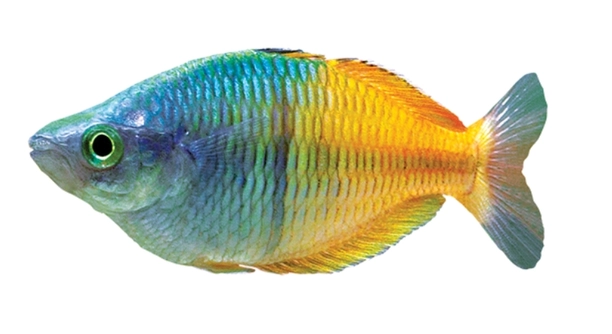
Rainbow fish are beautiful creatures known for their vibrant colors. But have you ever wondered what happens to them as night falls? Do they continue swimming around, or do they change their behavior when the sun sets?
Rainbow fish remain still at nightfall due to their natural instinct for rest. As they are diurnal, they spend their nights resting to conserve energy and avoid predators. This stillness helps them stay safe and regain strength for the next day.
Learning about their behavior helps us understand the importance of their rest period. There’s more to their nightly stillness than meets the eye, and the reasons are tied to their survival and natural rhythm.
Why Rainbow Fish Are Active During the Day
Rainbow fish are most active during the day. They thrive in well-lit environments, and daylight provides the energy they need to explore, hunt for food, and interact with other fish. Their colors also help them communicate and attract mates during daylight. As diurnal creatures, they rely on natural light to regulate their behavior. This daylight activity is essential for their survival, especially in the wild, where finding food and evading predators are daily challenges. Their daytime routines are important for maintaining a healthy life cycle and ensuring they stay strong.
Rainbow fish rely heavily on light to guide their activities. As the day progresses, they become more energetic and engage in social behavior like schooling. This activity allows them to stay in groups, which offers protection from predators.
During the day, rainbow fish spend much of their time swimming through their habitat, searching for food, and interacting with others. Their behavior is heavily tied to their need for sustenance and social connection. The presence of light helps guide their movements, and the warmth it provides also supports their metabolic processes. By staying active during daylight hours, they ensure that they can feed, interact, and maintain their health.
How Rainbow Fish Rest at Night
At night, rainbow fish slow down significantly. They often remain still, staying close to plants or hiding places in their habitat. This rest period is important for their health, allowing them to recharge for the next day.
During this time, their metabolism slows down, and they enter a state of rest that is crucial for their survival. By staying still, they also reduce the risk of attracting predators who might hunt them at night.
In their natural habitats, rainbow fish use their resting time to conserve energy. The stillness provides them with protection and the opportunity to recover after an active day. They instinctively choose secure spots where they feel safe, such as behind plants or rocks, where they can remain hidden. This helps them avoid becoming an easy target. By conserving energy during the night, they are able to be more active and alert the next day, ensuring that they can continue their important daily routines.
How Rainbow Fish Adapt to Nighttime
Rainbow fish have adapted to their nighttime stillness through evolution. Staying still at night helps them avoid predators and ensures they don’t waste energy when food is scarce. This natural behavior is essential for their survival.
By remaining motionless at night, rainbow fish can hide from predators that are more active after dark. This instinctual stillness is a protective mechanism that ensures they don’t become easy targets. In the wild, predators like larger fish or nocturnal creatures are often more likely to attack when prey is moving.
In addition to avoiding predators, remaining still at night allows rainbow fish to reduce their energy consumption. Since food is not as readily available during the night, it’s important for the fish to conserve their energy. This helps them stay healthy and prepared for the next day’s activities. In captivity, these instincts remain, although the risk of predators is lower.
The Role of Light in Their Behavior
Light plays a crucial role in how rainbow fish behave. As diurnal animals, they rely on daylight to regulate their daily activities, from feeding to socializing with other fish. Light helps them stay alert and active.
During the day, rainbow fish rely on light to navigate their environment. Their eyes are adapted to detect changes in light intensity, allowing them to make decisions based on the time of day. In their natural habitats, the presence of sunlight signals when it’s time to hunt or socialize, while darkness signals a time to rest.
While in captivity, rainbow fish still follow similar patterns. Aquarium lights simulate the natural cycle of day and night, which helps the fish maintain their usual routines. Ensuring that the fish have a proper light cycle can help them feel more at ease, supporting their natural instincts to stay active during the day and rest at night.
Why Rest is Important for Rainbow Fish
Rest is critical for rainbow fish to maintain their energy levels. It allows them to recover from the active daytime hours and prepares them for the next day. Without sufficient rest, they wouldn’t be able to function properly.
Just like any other animal, rainbow fish need rest to stay healthy. Their metabolic processes slow down during the night, helping them conserve energy. If they don’t get enough rest, they might become stressed, weak, and more susceptible to disease. This downtime is also essential for regulating their biological rhythms, keeping their systems in balance.
How Aquarium Environment Affects Their Rest
In an aquarium, rainbow fish rely on their environment to replicate their natural habitat. Proper lighting and hiding spots can help mimic the cycle of day and night. This helps them follow their instincts.
When setting up an aquarium for rainbow fish, it’s essential to provide hiding places like plants or rocks where they can rest at night. This provides them with a sense of security. Keeping the lights on a proper schedule will also allow the fish to rest when needed. Creating a balanced environment is important for their overall well-being.
Behavior Differences in Captivity
Rainbow fish may display slightly different behavior in captivity compared to the wild. While they still rest at night, their surroundings influence how they adapt. A stress-free environment helps them maintain natural patterns.
Being in a controlled space can reduce the risk of predators, but it can also introduce other stress factors, like poor water conditions or overactive lighting.
FAQ
Why do rainbow fish stay still at night?
Rainbow fish stay still at night primarily to rest and conserve energy. As diurnal creatures, they are active during the day when they hunt for food and interact with others. When night falls, their metabolism slows, and they become less active to help them regain strength for the next day. This behavior also helps them avoid predators, as staying still makes them less noticeable in the dark.
Do rainbow fish sleep at night?
Yes, rainbow fish do sleep at night, although they do not have eyelids, so they don’t technically “close their eyes” like humans. They enter a state of rest, where their body functions slow down. This allows them to conserve energy and stay safe in their environment. Sleeping helps them recharge for the next day, when they will be active again.
Can rainbow fish be active at night?
Rainbow fish are not typically active at night. They are diurnal creatures, meaning they are naturally more active during the day. However, some aquarium conditions may cause them to display minor nocturnal activity, especially if there is artificial light or noise. Still, their primary behavior remains geared toward daylight activity, so they are not built for nighttime movement.
Do rainbow fish need light to sleep?
Rainbow fish do not need light to sleep, but they do rely on a regular light cycle to regulate their day and night rhythm. In their natural habitat, the presence of light during the day signals that it’s time to be active, and darkness at night signals rest. In captivity, it’s important to provide an appropriate light-dark cycle to support their natural behavior.
How do I ensure my rainbow fish get enough rest?
To ensure your rainbow fish get enough rest, create an aquarium environment that mimics their natural habitat. Use a proper lighting schedule to simulate day and night. Dim the lights at night to provide a natural resting period, and make sure there are plenty of hiding places, such as plants or rocks, where the fish can feel secure and rest.
Can rainbow fish become stressed without rest?
Yes, like any other fish, rainbow fish can become stressed without proper rest. Lack of sleep can weaken their immune system, making them more susceptible to diseases. Additionally, stress can affect their overall health, leading to poor appetite, faded colors, and erratic behavior. Ensuring they get a proper resting period is crucial to their well-being.
How long do rainbow fish sleep each night?
Rainbow fish typically sleep for several hours each night, although the exact amount of sleep can vary depending on factors like water conditions, light levels, and overall aquarium environment. On average, they may sleep between 8 to 12 hours. Keeping their environment as close to their natural habitat as possible will encourage a healthy sleep schedule.
Are rainbow fish affected by artificial lighting in aquariums?
Yes, rainbow fish can be affected by artificial lighting. If the lighting in an aquarium is too bright or if the light cycle is irregular, it can disrupt their natural behavior. Inconsistent lighting can cause stress, prevent them from resting properly, and lead to health issues. It’s best to provide a consistent light schedule, with 10 to 12 hours of light followed by 12 to 14 hours of darkness.
Can rainbow fish sleep during the day?
Rainbow fish can technically rest during the day if necessary, but they are more likely to remain active. If the aquarium environment is too bright or noisy, they may find a quiet, sheltered spot to rest during the day. However, they are best suited to nighttime rest and should be allowed to follow their natural cycle for their overall health.
Is it okay to disturb rainbow fish at night?
It is best not to disturb rainbow fish at night, as this could interfere with their natural resting cycle. Just like humans, fish need uninterrupted rest to maintain their health. Bright lights or sudden movements in the aquarium at night can cause stress and disrupt their natural sleep patterns. If possible, avoid making noise or changing their environment during nighttime hours.
Do rainbow fish need complete darkness to sleep?
Rainbow fish do not need complete darkness to sleep, but they do benefit from a period of dim light or darkness at night. In their natural habitat, they experience gradual changes in light intensity, which signals when it’s time to rest. Providing a gentle transition from light to darkness in the aquarium is sufficient for their rest.
Do rainbow fish sleep in the same spot every night?
Rainbow fish may choose to rest in the same general area each night, but they are not territorial in the same way some other fish are. They may seek out secure spots among plants or rocks for rest, but this could vary depending on the environment and their level of comfort. The key is providing them with enough shelter options.
Can I use a nightlight for my rainbow fish?
Using a nightlight for your rainbow fish is not recommended unless it simulates natural moonlight. A bright or constant light could disrupt their natural sleep cycle and cause stress. If you want to use a nightlight, make sure it’s dim and does not affect their ability to distinguish between day and night. A very low-intensity light might help if you want to observe them without disturbing their rest.
How can I tell if my rainbow fish are getting enough sleep?
You can tell if your rainbow fish are getting enough sleep by observing their behavior. If they are active, eating well, and interacting with other fish during the day, they are likely getting adequate rest. If they seem lethargic, stressed, or display faded colors, it could be a sign they’re not resting properly.
Final Thoughts
Rainbow fish are fascinating creatures with unique behaviors, especially when it comes to their nighttime rest. Understanding why they stay still at night helps us appreciate their natural patterns and instincts. These fish are diurnal, which means they rely on the daytime to stay active, hunt for food, and interact with others. When night falls, they enter a restful state to recharge for the next day. This period of stillness is crucial for their overall health and survival. It allows them to conserve energy, avoid potential threats, and prepare for the activities they will engage in when daylight returns.
In an aquarium, it’s important to replicate the natural environment of rainbow fish as much as possible. This includes providing the proper light cycle, with a period of darkness each night to signal rest time. Ensuring the tank is set up with hiding places, such as plants or rocks, helps them feel secure during this restful period. A consistent light-dark cycle can make a huge difference in their health and well-being, as it encourages them to follow their natural behavior. Without this, the fish may become stressed, which could affect their ability to thrive. Proper lighting, temperature control, and a stress-free environment are all factors that support their natural rhythms.
Overall, the stillness of rainbow fish at night is more than just a passive state; it’s a vital part of their daily cycle. Understanding this behavior and ensuring their environment supports it helps keep them healthy and content. By allowing rainbow fish to rest properly, we ensure that they stay strong, active, and vibrant during their daytime activities. This knowledge allows fish keepers to create a more natural and healthy habitat, ensuring that rainbow fish continue to flourish and enjoy their lives in a balanced environment.

Hello,
If you enjoy the content that we create, please consider saying a "Thank You!" by leaving a tip.
Every little bit helps us continue crafting quality advice that supports the health, happiness, and well-being of pets around the world, for pets of all shapes, sizes, and species.
We really appreciate the kindness and support that you show us!