
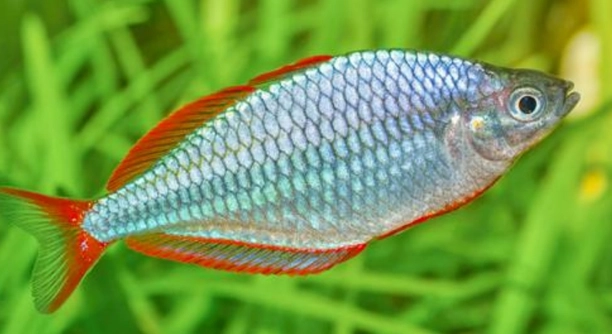
Rainbow fish are beautiful creatures, but they can easily get stressed in certain situations. Understanding what triggers their panic can help you care for them better and create a peaceful environment in your aquarium.
There are several common situations that can cause panic in rainbow fish, including water quality issues, sudden changes in their environment, or aggressive tankmates. These stressors can negatively impact their health, causing a decline in their vibrant colors and overall well-being.
By learning to recognize these stress-inducing factors, you can ensure your rainbow fish live in a calm, healthy environment. We’ll explore these common causes and how to manage them for happier, healthier fish.
Poor Water Quality
Rainbow fish are highly sensitive to water conditions. If the water in your tank isn’t clean or well-maintained, it can cause them stress. Ammonia, nitrites, and nitrates should be kept at safe levels. If levels get too high, the fish may panic, and their health will deteriorate quickly. Regular water changes and proper filtration are essential for maintaining a stable environment.
Even slight fluctuations in water temperature or pH can cause them to become anxious. Rainbow fish thrive in water that is slightly acidic to neutral, with a temperature between 75-80°F. Keep a reliable thermometer in the tank to ensure the temperature remains stable.
Testing your water every week is an easy way to prevent problems before they happen. If you’re using tap water, it may contain chlorine or chloramine, which is harmful to fish. Consider using a water conditioner to neutralize these chemicals. Keeping your rainbow fish in clean, stable water can make a noticeable difference in their behavior and health.
Sudden Environmental Changes
Rainbow fish are not fans of sudden changes.
Whether it’s altering the tank layout, adding new decorations, or changing the filter, sudden shifts can make them feel unsafe. They are creatures of habit, and even the smallest change can cause panic. These fish prefer a stable environment, so avoid making frequent alterations to their tank setup.
Changes in lighting can also affect them. A sudden increase in brightness or prolonged exposure to darkness can disorient them, causing stress. If you need to adjust the lighting, do it gradually over time. The key to keeping rainbow fish calm is consistency. The more stable the tank environment, the less likely they are to become stressed or anxious.
To help your fish adapt, introduce changes slowly. If you’re adding new plants or decorations, do it one at a time. This will allow your rainbow fish to adjust without feeling overwhelmed. If you must make changes, give them time to settle before introducing anything new.
Aggressive Tankmates
Rainbow fish can become stressed when surrounded by aggressive or territorial fish. Larger species or those with aggressive tendencies might chase or nip at the rainbows, leading to panic. It’s crucial to keep peaceful tankmates with your rainbow fish to maintain a calm atmosphere.
Aggressive fish can make it difficult for rainbow fish to feel secure, disrupting their usual behavior. In some cases, rainbow fish may retreat to corners of the tank, avoiding food and hiding more than usual. This affects their health and could eventually lead to them becoming sick. To avoid this, choose tankmates carefully based on size and temperament.
If aggression becomes an issue, consider adding more hiding spots or rearranging the tank. Adding plants or rocks can provide areas for your rainbow fish to hide if they feel threatened. Increasing the size of the tank can also help by providing more space for all fish. The key is to create an environment where all fish feel safe and comfortable.
Overcrowding in the Tank
Too many fish in a tank can lead to overcrowding, which is a major stressor for rainbow fish. When there isn’t enough space for swimming, fish may feel trapped or anxious. This affects their behavior and overall well-being.
Overcrowding can lead to increased waste levels in the water, which, as previously mentioned, can worsen water quality. The lack of space can also result in more aggression among tankmates. Each rainbow fish needs enough room to swim freely, so always be mindful of the tank’s capacity.
When setting up your aquarium, make sure to follow guidelines for fish density. Overcrowding doesn’t only affect the fish; it can also disrupt the balance of the ecosystem within the tank. If you notice stress behaviors, it might be time to upgrade to a larger tank or reduce the number of fish in it.
Inconsistent Feeding Schedule
Rainbow fish can become stressed if their feeding schedule is inconsistent. They rely on regular feeding times, and disruptions in this routine can cause confusion and anxiety. Stick to a feeding schedule that suits both you and your fish.
Irregular feeding can also lead to overfeeding or underfeeding, both of which can affect the health of the fish. Overfeeding increases waste levels in the water, which can harm water quality, while underfeeding can leave the fish malnourished. Regular feeding will help maintain their overall health and calm their nerves.
The best practice is to feed your rainbow fish at the same time each day, offering just enough food that they can consume in a few minutes. This will keep them happy and healthy.
Improper Tank Setup
A poorly set up tank can be a significant source of stress for rainbow fish. If the environment doesn’t meet their basic needs, they’ll feel unsafe and panicked. The right tank setup is essential for keeping them calm.
It’s important to have a proper filtration system to keep the water clean and oxygenated. In addition, having plenty of plants, rocks, and hiding spots gives the fish a sense of security. Make sure the decorations aren’t sharp or hazardous to them, as they need a comfortable and safe space to thrive.
Unstable Water Temperature
Rainbow fish are highly sensitive to changes in water temperature. If the tank is too hot or too cold, they will become stressed. Keeping the temperature stable within their preferred range of 75-80°F is crucial for their well-being.
FAQ
What causes rainbow fish to lose their color?
Rainbow fish are known for their vibrant colors, but stress can cause them to lose their brightness. Poor water quality, sudden environmental changes, or aggressive tankmates can trigger stress, causing the colors to fade. Stress affects their overall health and can lead to more serious issues, such as illness. Maintaining a stable tank environment with clean water, consistent temperatures, and peaceful tankmates is essential for keeping your rainbow fish’s colors vibrant.
How do I know if my rainbow fish is stressed?
Stressed rainbow fish may exhibit several signs, including reduced activity, hiding more than usual, or losing their appetite. You may also notice them swimming erratically or staying near the surface of the water. Their vibrant colors may begin to fade, or they might even show signs of illness, such as clamped fins or unusual swimming patterns. Keeping an eye on their behavior will help you catch stress early and address the cause before it leads to health problems.
How often should I feed my rainbow fish?
Rainbow fish should be fed once or twice a day, depending on their age and activity level. It’s important to provide only as much food as they can eat in a few minutes to avoid overfeeding. Uneaten food can pollute the water, affecting water quality and causing stress. A varied diet, including high-quality pellets, flakes, and occasional live or frozen foods, will help them stay healthy and vibrant. Consistency in feeding times is just as important as the quantity to avoid disrupting their routine.
Can rainbow fish live with other species?
Rainbow fish are generally peaceful and can live with many other species, but it’s important to choose compatible tankmates. Avoid placing them with overly aggressive or territorial fish. Smaller, non-aggressive species such as tetras, peaceful barbs, and other community fish are ideal companions. When introducing new fish, make sure to observe the interactions closely to ensure no one is being harassed.
What size tank is best for rainbow fish?
Rainbow fish need plenty of space to swim freely. A minimum of 30 gallons is recommended for a small group of rainbow fish, with more space needed for larger species or larger groups. A bigger tank helps reduce stress and overcrowding, ensuring all the fish have enough room to thrive. Providing hiding spots and plants also helps them feel secure. The more space, the better, as it allows for a more natural environment and better water quality.
How can I prevent rainbow fish from getting sick?
Maintaining clean water is the first step to preventing illness in rainbow fish. Regular water changes, proper filtration, and keeping water parameters stable are key. Avoid overcrowding, and ensure your tankmates are peaceful. Good feeding practices are also crucial—feed a balanced diet and avoid overfeeding. Finally, monitor the fish for early signs of illness, such as abnormal swimming, loss of appetite, or fading colors, and take action quickly if necessary.
Do rainbow fish need a heater in their tank?
Yes, rainbow fish need a heater to maintain a stable water temperature. These fish thrive in water between 75-80°F, and a reliable heater is necessary to keep the temperature within that range. Fluctuations in temperature can cause stress and make them more susceptible to illness. A thermometer is also important to monitor the water temperature regularly.
Can rainbow fish tolerate brackish water?
Rainbow fish typically do not tolerate brackish water, as they are freshwater fish. While some species of rainbow fish can live in slightly harder water with a higher mineral content, brackish water with salt is not suitable for them. Keeping them in freshwater with the right parameters, including pH, hardness, and temperature, is essential for their health.
Why is my rainbow fish acting lethargic?
Lethargy in rainbow fish can be a sign of stress or illness. Poor water quality, overcrowding, or incompatible tankmates can cause stress, leading to a decrease in activity. Illness, such as parasites or internal infections, can also cause lethargy. Check the water quality, ensure the tank setup is ideal, and observe for any other symptoms, such as abnormal swimming or loss of appetite. If lethargy persists, consult an aquarium professional for advice.
Can rainbow fish live in cold water?
Rainbow fish are tropical fish and prefer warm water. They will not thrive in cold water, and temperatures below 70°F can cause stress, weakened immune systems, and a greater risk of illness. To keep them healthy, ensure the tank water stays within the recommended temperature range of 75-80°F. A heater is essential for maintaining this stable environment, especially in cooler climates.
What is the lifespan of rainbow fish?
The lifespan of rainbow fish typically ranges from 5 to 8 years, depending on their species and care. With the right conditions, including clean water, proper tankmates, and a balanced diet, they can live to their full potential. Proper maintenance of the tank and attention to their needs will help extend their life and keep them vibrant.
How can I improve the water quality for my rainbow fish?
Regular water changes, proper filtration, and monitoring water parameters are key to maintaining good water quality. Perform weekly water changes of 25-30% to remove excess waste and maintain proper levels of ammonia, nitrites, and nitrates. Invest in a high-quality filter that suits the size of your tank and makes sure the filter media is regularly cleaned or replaced. Using a water conditioner to neutralize chlorine or chloramine from tap water is also essential. Regularly test the water for pH, hardness, and temperature to ensure it stays within the optimal range for rainbow fish.
Final Thoughts
Caring for rainbow fish can be both rewarding and challenging. Understanding the common stress factors, such as poor water quality, sudden changes in their environment, or aggressive tankmates, can help you create a stable and healthy home for them. By maintaining consistent tank conditions, choosing peaceful tankmates, and keeping their environment clean, you can ensure that your rainbow fish stay vibrant and happy for years to come. A little attention to their needs can go a long way in preventing stress and promoting their well-being.
A key aspect of keeping rainbow fish is patience. Fish are creatures of habit, and changes in their environment can take time for them to adjust to. Whether you’re setting up a new tank, adding new fish, or adjusting water conditions, take things slowly and give them time to settle. This will help reduce the risk of stress and create a peaceful environment where your rainbow fish can thrive. The right balance of food, space, and water quality is essential to their health and happiness.
Finally, remember that each rainbow fish is unique. Some may be more sensitive to changes than others, and it’s important to monitor their behavior closely. If you notice signs of stress, such as faded colors or erratic swimming, take action to address the issue quickly. Whether it’s improving water quality, adjusting the tank layout, or ensuring proper feeding, being proactive will help maintain a stable environment for your fish. With the right care, rainbow fish can bring color and life to your aquarium for many years.

Hello,
If you enjoy the content that we create, please consider saying a "Thank You!" by leaving a tip.
Every little bit helps us continue crafting quality advice that supports the health, happiness, and well-being of pets around the world, for pets of all shapes, sizes, and species.
We really appreciate the kindness and support that you show us!