
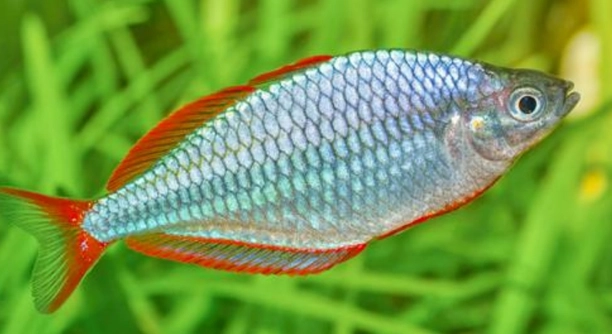
Rainbow fish are known for their bright colors and active nature. However, sometimes they might not follow the usual school behavior. There are several factors that could influence why they may refuse to school with others.
The main reason rainbow fish refuse to school is typically due to stress, insufficient space, or incompatible tank mates. Stressors, such as poor water conditions or bullying, can disrupt their natural schooling behavior, causing them to isolate themselves.
Understanding why rainbow fish may not school can help you provide a better environment for them. Addressing the underlying causes will encourage healthier, happier fish in your aquarium.
Stress and its Impact on Schooling Behavior
Rainbow fish, like many aquarium species, can become stressed by various factors in their environment. Stress is one of the leading reasons why they might refuse to school. Common causes include changes in water temperature, poor water quality, or loud noises around the tank. Stress can make rainbow fish more aggressive or even cause them to isolate themselves from other fish. Overcrowding can also lead to stress, as the fish may feel threatened or unable to establish their territory. This disrupts their natural social behavior, and they may not join their group as usual.
Water quality plays a major role in preventing stress in rainbow fish. Keeping the tank clean and regularly testing for pH levels, ammonia, and nitrate concentrations can help reduce stress. The presence of sharp objects or lack of hiding spots in the tank can also contribute to anxiety. Ensuring your fish are comfortable in their environment will support better schooling behavior.
Understanding stress management is crucial for keeping rainbow fish healthy and sociable. By monitoring water quality and minimizing disturbances, your fish can feel more secure and happier in their group.
Tank Size and Space for Rainbow Fish
Space is a significant factor in rainbow fish schooling behavior.
If your tank is too small, the fish may feel confined and hesitant to swim together. Rainbow fish need enough room to swim freely and maintain their social structure. A tank that is too cramped may lead to isolation and territorial issues among the fish. In these conditions, they may refuse to form a school altogether. A larger tank with plenty of open swimming space encourages more natural schooling behavior.
Providing your rainbow fish with enough space allows them to swim in groups without feeling threatened. A tank that offers enough room for all of them to explore can reduce aggression and promote bonding. If your tank isn’t large enough, it could lead to a less harmonious environment for your fish.
By ensuring your tank is spacious enough, you will help maintain your fish’s natural behaviors, leading to a healthier and happier aquarium.
Incompatible Tank Mates
Rainbow fish are peaceful and social by nature, but they can become stressed when housed with incompatible tank mates. Aggressive fish or species that bully others can cause the rainbow fish to avoid grouping together. If you notice that your fish are separating or acting defensively, it may be a sign that the other fish are disturbing them. Fish like cichlids or fast-swimming predators may intimidate rainbow fish, making them feel insecure and preventing them from schooling.
The size of the tank also plays a role in how fish interact with each other. In a smaller tank, aggressive behavior can become more pronounced, leading to further isolation. On the other hand, a well-planned aquarium with peaceful companions will encourage rainbow fish to school more freely. Choosing compatible tank mates, such as other peaceful fish like tetras or guppies, will create a more comfortable environment for rainbow fish to thrive.
By selecting the right tank mates and ensuring ample space, you can help foster a more natural school-like behavior in your rainbow fish.
Water Conditions and Their Effect on Schooling Behavior
Water quality is critical for rainbow fish to thrive and display natural behaviors. Poor water conditions, such as high ammonia or fluctuating temperatures, can make them uneasy. This can lead to separation from their group, as they seek out areas of the tank that feel safer.
Consistent water parameters like stable pH levels and proper filtration are essential for maintaining the well-being of your rainbow fish. Regular water changes and testing are simple ways to ensure they are in an optimal environment. When water conditions are stable, fish feel more secure and are more likely to stay with their school.
To avoid disruptions, check your tank’s filtration system regularly and ensure the water temperature remains steady. Any drastic changes can lead to stress, which can discourage your rainbow fish from schooling. Keeping the water clean and balanced will support your fish’s natural behavior.
Feeding Practices and Its Role in Schooling Behavior
Feeding practices can impact schooling behavior in rainbow fish. If you feed them too much or too often, it can cause competition and stress. Rainbow fish may refuse to school if they feel that resources are scarce or if they are overly focused on food.
To prevent stress, offer appropriate portions of food at regular intervals. Overfeeding can lead to territorial disputes and unhealthy competition among your fish, which hinders social interaction. It’s important to observe your fish and ensure they are eating enough without feeling threatened by others in the tank.
Maintaining a feeding routine will help create a balanced environment. By offering meals consistently, you reduce the risk of aggression and help promote peaceful schooling behavior. Proper feeding habits will ensure all your rainbow fish are well-fed and secure.
Tank Environment and Decor
The layout of the tank can affect how rainbow fish behave. Tanks with too many hiding spots or overcrowded decorations can make fish feel confined, causing them to avoid schooling. Too much clutter limits their movement and may encourage isolation.
Creating a balanced environment with plenty of open swimming space and some hiding spots can help your rainbow fish feel secure. Adding plants or smooth rocks for shelter without overwhelming the tank can reduce stress. This allows them to school naturally while still feeling safe.
Lighting and Its Influence on Schooling
Lighting plays a significant role in the behavior of rainbow fish. Bright or fluctuating lights can cause stress and disrupt their schooling behavior. They may become skittish or attempt to hide.
Provide gentle, consistent lighting that mimics natural conditions. Avoid sudden changes in lighting intensity, which could startle your fish and make them feel unsafe. When rainbow fish feel comfortable in their environment, they are more likely to school together.
Social Dynamics Within the Group
Rainbow fish are naturally social, but not all fish in the group may get along. If one or more fish are more dominant, they may intimidate the others, causing the group to scatter.
In a well-balanced school, each fish should feel comfortable and free to interact. Dominance issues, especially if one fish is too aggressive, can disrupt the schooling behavior. Maintaining a peaceful social environment within the group is key to promoting natural schooling behavior.
FAQ
Why do rainbow fish stop schooling?
Rainbow fish may stop schooling for several reasons. Stress, poor water quality, and incompatible tank mates are the most common causes. If the fish are uncomfortable in their environment, they may isolate themselves rather than swim together. Other factors like overcrowding or territorial disputes can also disrupt their schooling behavior. It’s essential to keep the tank conditions stable and provide a peaceful environment for them to feel safe.
Can rainbow fish school with other species?
Rainbow fish are peaceful and typically enjoy schooling with their own kind. However, they may school with other peaceful species that share similar water and space requirements. Fish like tetras or guppies can coexist with rainbow fish, but it’s important to avoid aggressive tank mates. If you mix species, ensure there’s enough space for everyone to feel comfortable and establish territories. This will encourage cooperation and natural schooling behavior.
What should I do if my rainbow fish are not schooling?
If your rainbow fish are not schooling, first check the water conditions. Poor water quality or fluctuating temperature could be a cause of stress. Ensure the tank has adequate space, proper filtration, and regular water changes. You may also want to examine the tank mates for aggression or incompatibility. Finally, consider the environment—too many hiding spots or excessive decorations can prevent the fish from schooling together.
Can rainbow fish live alone?
Rainbow fish are social creatures and prefer to be in groups. Keeping them alone can lead to stress and loneliness, which can affect their overall health and behavior. It’s recommended to keep at least five rainbow fish together so they can interact and form a natural school. A group setting helps them feel secure, and it also allows them to display their typical social behaviors.
How many rainbow fish should I keep together?
To create a healthy and active school, it’s best to keep at least five to six rainbow fish together. A small group may feel insecure, and the fish might not display typical schooling behavior. Larger groups are better for promoting social interactions and reducing stress. Make sure the tank is large enough to accommodate the number of fish you plan to keep.
What tank size is best for rainbow fish?
A minimum tank size of 30 gallons is ideal for a small group of rainbow fish. This allows enough space for them to swim and school together while reducing the chances of territorial disputes. If you plan to keep a larger group or add other species, a bigger tank—around 50 gallons or more—will help maintain a healthy environment.
Do rainbow fish need a specific water temperature?
Rainbow fish prefer a stable water temperature between 72°F and 78°F (22°C to 26°C). Fluctuating temperatures can cause stress and affect their schooling behavior. It’s important to use a reliable heater and thermometer to maintain a consistent temperature range. Regularly check the water to ensure it stays within the preferred range for optimal health.
What kind of filtration do rainbow fish need?
Rainbow fish require clean, well-oxygenated water, so a good filtration system is crucial. A filter that provides both mechanical and biological filtration will help keep the water clear and free from toxins. It’s important not to have water flow that is too strong, as this can stress the fish. A gentle flow is ideal for maintaining a comfortable environment.
How do I prevent bullying among rainbow fish?
To prevent bullying among rainbow fish, it’s important to ensure that there are enough fish in the group and that the tank is large enough for everyone. Overcrowding can increase stress and lead to aggression. Adding more plants, rocks, and hiding spots can help diffuse tension by giving each fish its own space. If bullying continues, try rearranging the tank decor or removing the aggressor to allow for peace.
Why are my rainbow fish hiding?
Rainbow fish may hide due to stress, poor water quality, or aggressive tank mates. They may also hide if they feel threatened or insecure. Check the water conditions and the compatibility of tank mates to ensure the environment is safe and calm. Providing hiding spots like plants or decorations can help them feel secure when they need a break.
Can rainbow fish live with bettas?
Rainbow fish can live with bettas, but you need to be cautious. Bettas are known for their territorial behavior and can be aggressive, especially towards fish with long fins or bright colors. Rainbow fish typically have smaller fins and a more peaceful nature, but the betta might still display aggression. Keep a close eye on their interactions, and ensure the tank is large enough for everyone to have their own space. It’s also a good idea to introduce them gradually to monitor how they respond to each other.
Final Thoughts
Rainbow fish are wonderful creatures known for their vibrant colors and active school behavior. However, when they refuse to school, it’s usually due to a few common factors like stress, poor water quality, or incompatible tank mates. Understanding the reasons behind this behavior can help you create an environment where your rainbow fish feel secure and comfortable enough to school naturally. By addressing these factors, you can encourage them to form their school once again, which will enhance both their well-being and the beauty of your tank.
Maintaining a balanced environment is essential for rainbow fish. Stable water conditions, a peaceful social setting, and a suitable tank size all play significant roles in their behavior. Regular water changes, the right temperature, and good filtration will help ensure that your rainbow fish remain healthy and active. Additionally, keeping them in groups, with compatible tank mates, promotes their natural social behavior. These simple steps can make a big difference in encouraging your rainbow fish to school and thrive in your aquarium.
While there may be times when your rainbow fish refuse to school, most issues can be easily addressed. By monitoring water quality, adjusting feeding habits, and ensuring a harmonious tank environment, you can create the right conditions for your fish to feel secure. Ultimately, a well-maintained tank with a peaceful community will help your rainbow fish display their natural schooling behavior, adding to the overall health of your aquarium.

Hello,
If you enjoy the content that we create, please consider saying a "Thank You!" by leaving a tip.
Every little bit helps us continue crafting quality advice that supports the health, happiness, and well-being of pets around the world, for pets of all shapes, sizes, and species.
We really appreciate the kindness and support that you show us!