
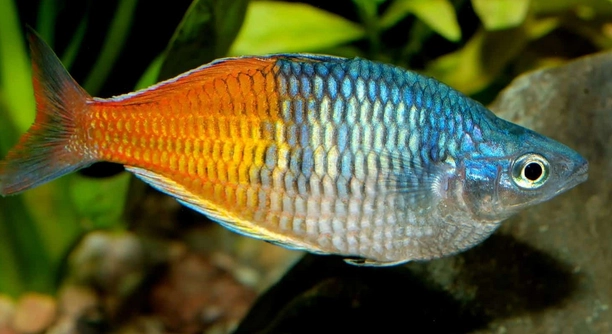
Rearranging a rainbow fish tank can be a fun way to refresh your aquatic space. Whether you’re updating the look or improving the environment for your fish, a few changes can make a big difference.
The primary focus when rearranging a rainbow fish tank should be on creating a balanced environment. Start by considering the layout of plants, decorations, and substrates, ensuring they provide both aesthetic appeal and the necessary shelter for your fish to thrive.
These tips will help you create a harmonious tank layout that enhances the beauty of your aquarium while supporting the health and well-being of your rainbow fish.
Organizing Tank Decorations for Better Fish Movement
When rearranging your rainbow fish tank, it’s essential to consider the space your fish need for swimming. Avoid overcrowding the tank with too many decorations. Place larger items near the back and create open spaces in the middle. This will allow your fish to move freely and enjoy the entire tank. Try to keep the decor balanced to prevent any corner from feeling too cluttered, which can stress the fish.
If you prefer a natural look, adding driftwood and rocks can mimic their natural habitat. However, make sure these objects don’t block water flow or create stagnant areas.
A proper arrangement will allow your fish to swim comfortably without feeling restricted. Fish, like rainbows, need both space and visual variety in their tank environment. This balance enhances their health and makes the tank more visually appealing.
Creating Adequate Hiding Spaces
Adding hiding spots is crucial for rainbow fish, especially if you have multiple fish in the tank. They tend to seek shelter when feeling threatened, so placing a few plants or caves around the tank provides them with a sense of security.
Ensure these hiding spots aren’t placed in corners where water circulation is poor. Keep them scattered across the tank to encourage healthy exploration.
Choosing the Right Substrate
Selecting the proper substrate for your rainbow fish tank can greatly influence water quality and fish health. Fine gravel or sand is ideal because it won’t disturb delicate plant roots. Avoid using sharp-edged gravel, as it can hurt your fish when they swim near the bottom.
A substrate that allows good water flow helps prevent debris from settling. This ensures the tank stays cleaner, reducing the likelihood of algae growth and water stagnation. Additionally, a well-chosen substrate can promote healthy plant growth, creating a balanced environment for your fish.
If you have live plants, a nutrient-rich substrate is necessary. This supports root development and helps plants grow strong. Layering sand on top of the substrate can also help with water clarity and prevent debris buildup. Make sure to rinse any substrate thoroughly before placing it in the tank to avoid excess dust.
Balancing Light Levels for Vibrant Colors
Rainbow fish thrive under proper lighting, which not only helps bring out their natural colors but also encourages plant growth. LED lighting is a good option for aquariums because it provides bright, even light. Avoid overly intense lighting, which can stress the fish and promote algae growth.
Lighting should be on for around 10 to 12 hours per day. Too little light can cause plants to struggle, while too much light can lead to algae blooms. Consider using a timer to ensure consistent lighting and prevent fluctuations. This keeps the tank environment stable for both the fish and plants.
Properly Adjusting Water Flow
Rainbow fish prefer moderate water flow. Strong currents can stress them, while stagnant water can cause poor oxygenation. Adjusting the filter or using a spray bar can help maintain gentle movement. This ensures a comfortable and natural environment for the fish.
Use a filter that can be adjusted to control the water flow. A too-strong filter can create turbulence that may disturb your fish, making them feel unsafe. Keep the filter’s output away from hiding spots to give your fish more stable zones.
Arranging Plants for Aesthetic and Health
When placing plants, arrange them with taller ones at the back and shorter ones toward the front. This creates a layered, natural look while giving the fish plenty of space to swim freely. Plants also help maintain water quality by absorbing excess nutrients.
Make sure the plants you choose are compatible with the lighting and substrate. Some plants require higher light levels, while others thrive in low light. Regular pruning will keep the plants healthy, prevent overgrowth, and ensure they don’t obstruct water flow or the fish’s movement.
Using Colorful Decorations to Enhance the Tank
Decorations can make the tank more visually appealing. Using rocks, driftwood, or ceramic ornaments can add color and texture to the environment. Be mindful of the material you use, as some can affect the water’s pH. Avoid items with sharp edges to prevent injury to the fish.
FAQ
How often should I rearrange my rainbow fish tank?
Rearranging your rainbow fish tank doesn’t need to be done frequently. Typically, once every few months is enough to refresh the environment. However, it can be done more often if you notice your fish are not thriving or the tank looks too cluttered. Keep in mind that changes in the tank can stress the fish temporarily, so it’s best to avoid frequent disruptions. Regular maintenance, such as cleaning and trimming plants, is more important than rearranging the entire setup.
What kind of plants should I use for a rainbow fish tank?
Rainbow fish thrive in aquariums with live plants. They prefer plants that mimic their natural habitat, such as Java ferns, anubias, or Amazon swords. These plants provide hiding spots, oxygenate the water, and help create a natural environment. Make sure to choose plants that match the lighting and substrate in your tank. Some plants need more light, while others do well with minimal lighting. Also, remember to trim plants regularly to prevent them from overgrowing and blocking water flow.
How do I prevent algae from growing after rearranging my tank?
Algae growth is common in fish tanks, especially after rearranging. To reduce algae growth, make sure your lighting isn’t too strong, as excessive light encourages algae. Using a timer for the lights can also help maintain consistent light cycles. Additionally, keep the water clean by doing regular water changes and avoiding overfeeding your fish. If you notice algae starting to form, clean the decorations, plants, and glass of the tank. You can also add algae-eating fish or snails to help keep it under control.
Should I use a filter with adjustable flow for rainbow fish?
Yes, a filter with adjustable flow is ideal for rainbow fish. They prefer moderate water movement, and using a filter that can be adjusted helps ensure the water flow is not too strong for them. Too strong a current can stress your fish, while too little flow can result in poor water circulation, which can lead to stagnant areas in the tank. Adjust the filter output to suit the needs of your fish, and keep it away from any hiding spots to prevent turbulence in their resting areas.
Can I mix rainbow fish with other species in the same tank?
Yes, rainbow fish are generally peaceful and can be kept with many other species, including other rainbow fish, small tetras, and peaceful community fish. However, avoid mixing them with overly aggressive species that may harm them. Make sure to consider the tank size and the behavior of other fish in the tank to ensure compatibility. Always introduce new fish gradually and observe how they interact with the rainbow fish to prevent any stress or aggression.
What is the ideal tank size for rainbow fish?
Rainbow fish need a tank that is at least 30 gallons for a small group, though larger tanks are better for their health and well-being. A larger tank provides more swimming space and helps maintain stable water conditions, which is crucial for rainbow fish. A bigger tank also allows for better stocking options, as you can include other peaceful species that share the same water requirements. Make sure the tank has good filtration and a stable water temperature to keep your rainbow fish happy.
How can I tell if my rainbow fish are stressed?
Stressed rainbow fish may exhibit signs like hiding more than usual, loss of color, or erratic swimming. They may also stop eating or become less active. If you notice these behaviors, check the water quality to make sure it’s within the appropriate parameters for your fish. Stressed fish can also suffer from disease, so keeping their environment clean and stable is essential. If your fish continue to show signs of stress, it might be a good idea to rearrange the tank again or assess other possible stressors like aggressive tankmates or sudden changes in water conditions.
What temperature should the water be for rainbow fish?
Rainbow fish prefer water temperatures between 74°F and 80°F (23°C to 27°C). Maintaining this temperature range is essential for their health. Use a reliable aquarium heater to keep the water warm, and always monitor the temperature with a thermometer. Sudden temperature changes can cause stress, so try to keep it as stable as possible. A temperature that’s too cold or too hot can lead to illness or discomfort for your fish.
How do I maintain the water quality in a rainbow fish tank?
Maintaining water quality is key to keeping your rainbow fish healthy. Perform regular water changes—about 25% of the water every two weeks—using a water conditioner to remove chlorine and other harmful chemicals. Also, regularly check the ammonia, nitrite, and nitrate levels to ensure they’re within safe limits. Keep the filter clean, but don’t remove it entirely when performing water changes, as it helps maintain beneficial bacteria that break down waste. Test the water regularly to make sure all parameters are in line with what’s best for rainbow fish.
Can I add live rocks or decorations to my rainbow fish tank?
Yes, you can add live rocks or decorations to your rainbow fish tank. However, be mindful of the material you choose. Some rocks, like limestone, can raise the pH of the water, which may not be ideal for rainbow fish. Ensure the decorations you add don’t have sharp edges that could injure the fish. Additionally, any new decoration or rock should be thoroughly rinsed before placing it in the tank to remove dust or potential contaminants. Live rocks can also contribute to water filtration if you have a saltwater setup, but for freshwater tanks, they mainly serve as aesthetic pieces.
What should I feed rainbow fish?
Rainbow fish are omnivores, so they require a balanced diet of high-quality fish flakes or pellets, supplemented with live or frozen foods like brine shrimp, daphnia, or bloodworms. Offer a variety of foods to ensure they get all the necessary nutrients. Feed your rainbow fish 2-3 times a day, but only give them as much food as they can eat in a few minutes to prevent overfeeding. If you’re adding live plants to the tank, keep an eye on their consumption, as rainbow fish may nibble on certain types of plants.
Final Thoughts
Rearranging your rainbow fish tank can be a rewarding experience for both you and your fish. It helps refresh the environment and offers your fish a more engaging space to explore. By making thoughtful changes, you can provide your fish with a healthier, more comfortable habitat. The process doesn’t have to be complicated, and with a little planning, it can go smoothly. Keep in mind that rainbow fish enjoy a balanced setup that includes plants, decorations, and proper water flow.
When you make changes to your tank, be sure to take your time. Avoid sudden disruptions to the environment, as this can cause stress for the fish. Small adjustments, like moving plants or decorations, are less likely to disturb your fish than complete overhauls. Also, check the water quality and temperature regularly to ensure the tank remains in the best condition for your fish. Regular maintenance and simple updates are key to keeping the aquarium vibrant and healthy.
By following some of the tips shared here, you can create a space that supports the well-being of your rainbow fish while adding a personal touch to your tank. Whether it’s adjusting the water flow, adding new plants, or simply rearranging the decorations, each change contributes to a better aquatic environment. With a little effort, your rainbow fish tank can be both visually appealing and conducive to the happiness of your fish.

Hello,
If you enjoy the content that we create, please consider saying a "Thank You!" by leaving a tip.
Every little bit helps us continue crafting quality advice that supports the health, happiness, and well-being of pets around the world, for pets of all shapes, sizes, and species.
We really appreciate the kindness and support that you show us!