
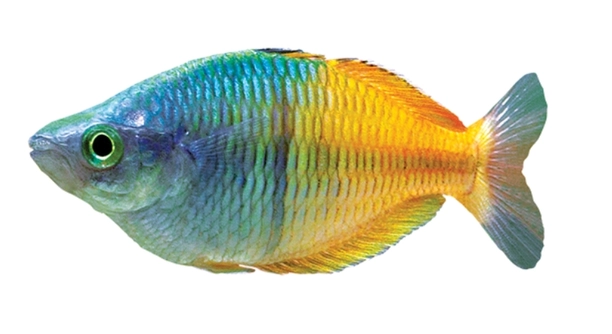
Rainbow fish are a popular choice for aquarium enthusiasts. Their vibrant colors and lively nature make them a delight in any tank. Understanding the tank features that these fish thrive in is key to their health and happiness.
Rainbow fish thrive in tanks with specific features that cater to their needs. These fish prefer a well-maintained environment with clean, stable water, hiding spots, and suitable plants. Proper tank size and water temperature also play essential roles in their well-being.
Providing the right environment for your rainbow fish will enhance their vibrancy and overall health. Understanding these key features ensures their comfort and longevity in your aquarium.
Proper Tank Size for Rainbow Fish
Rainbow fish need adequate space to swim and explore. A tank that is too small will restrict their movement and impact their health. A minimum of a 30-gallon tank is recommended for a small group of rainbow fish. Larger tanks provide better water stability and more room for natural behavior.
The proper tank size helps maintain water quality and allows your fish to thrive. A larger tank also reduces the frequency of water changes, making it easier to care for your fish in the long run.
Providing enough space encourages natural swimming patterns, reducing stress and improving the fish’s overall well-being. Make sure your tank is appropriately sized to support the number of rainbow fish you keep. Healthy, happy fish are the result of a suitable living environment.
Stable Water Conditions
Stable water conditions are essential for rainbow fish. These fish prefer slightly acidic to neutral water, with a pH range of 6.5 to 7.5.
Maintaining consistent water temperature and quality is crucial. Rainbow fish thrive in water temperatures between 72°F and 78°F. Fluctuations in these parameters can stress the fish and lead to health problems. Make sure your water conditions remain stable to keep your rainbow fish comfortable.
Hiding Spots and Plants
Rainbow fish appreciate the presence of hiding spots. They are peaceful but can sometimes seek shelter from tankmates. Adding plants or rocks to create caves provides them with safe areas. This feature allows them to rest or escape when they feel threatened.
A well-planted tank gives your rainbow fish a sense of security. Dense plants, both floating and rooted, are perfect for them to swim through. Live plants also improve water quality by absorbing excess nutrients and providing oxygen. Fish feel more at ease with natural cover, making them more active and vibrant.
Incorporating both artificial and live decorations can enhance the aesthetic of the tank while offering your rainbow fish a comfortable and natural environment. The right setup ensures that your fish feel secure and stress-free, leading to healthier, happier fish.
Filtration System
A good filtration system is essential for rainbow fish. It helps maintain clean water by removing waste and excess food. The filtration system should be strong enough to filter the entire tank volume multiple times per hour but gentle enough not to create strong currents.
Rainbow fish enjoy calm waters, so choosing a filter with adjustable flow settings is ideal. A filter with both mechanical and biological filtration will help keep the water clean and healthy. Regular maintenance is required to ensure that the filter continues to operate efficiently.
Without a proper filtration system, your tank’s water quality could quickly deteriorate, leading to unhealthy fish. Clean water is the foundation for keeping your rainbow fish vibrant and active, so investing in a reliable filter is crucial for long-term success.
Water Temperature
Maintaining the right water temperature is crucial for rainbow fish. They thrive in temperatures between 72°F and 78°F. Temperatures that are too low or too high can stress the fish, making them susceptible to disease.
To ensure stable conditions, use a reliable aquarium heater with a thermostat. This will help maintain a constant temperature. Fluctuations can cause stress and affect their health, so check the water regularly.
Consistent water temperature supports proper metabolism and overall well-being, making it an essential part of tank care. Rainbow fish are most active and healthy when the temperature is stable.
Lighting Conditions
Rainbow fish appreciate moderate lighting. Too bright or too dim lighting can affect their behavior. Soft, indirect lighting mimics their natural habitat, promoting comfort and reducing stress.
Lighting also helps plants grow, providing more natural cover for the fish. Consider using LED lights with adjustable settings. Keep the lights on for 10-12 hours a day to simulate a natural day-night cycle.
Too much lighting can encourage algae growth, leading to poor water quality. Balanced lighting supports both fish and plants, creating a healthy environment for all.
FAQ
What is the ideal tank size for rainbow fish?
Rainbow fish require a tank size of at least 30 gallons for a small group. A larger tank offers more space, allowing the fish to swim naturally and reducing stress. The extra space also helps maintain stable water conditions, which is essential for their health.
Can rainbow fish live with other fish?
Rainbow fish are generally peaceful and can coexist with many other species, including other community fish. However, it’s important to avoid aggressive species or those that may outcompete rainbow fish for food. Compatible tankmates include tetras, guppies, and corydoras catfish.
How often should I feed rainbow fish?
Rainbow fish should be fed two to three times a day. Offer them a varied diet of high-quality flakes, pellets, and occasional live or frozen foods like brine shrimp or bloodworms. Avoid overfeeding, as leftover food can degrade water quality.
What is the best water temperature for rainbow fish?
Rainbow fish thrive in water temperatures between 72°F and 78°F. Consistent water temperature is key, as fluctuations can stress the fish and lead to health problems. A reliable aquarium heater will help maintain a stable environment.
Do rainbow fish need plants in their tank?
Plants are not mandatory but are highly beneficial for rainbow fish. Live plants provide hiding spots, reduce stress, and improve water quality by absorbing excess nutrients. Additionally, plants can make the tank look more natural and aesthetically pleasing.
How do I maintain water quality for rainbow fish?
Maintaining water quality involves regular water changes, proper filtration, and monitoring parameters like pH, ammonia, nitrite, and nitrate levels. Rainbow fish prefer slightly acidic to neutral water (pH 6.5-7.5). A good filter ensures clean water, while water changes help remove waste.
Can rainbow fish tolerate hard water?
Rainbow fish are adaptable but generally prefer soft to moderately hard water. If your water is very hard, you can use a water conditioner to soften it. Test water hardness regularly and adjust if necessary to maintain a stable, suitable environment.
How long do rainbow fish live?
On average, rainbow fish live for 5 to 8 years with proper care. Some species can live even longer. Their lifespan is influenced by factors such as water quality, tank conditions, diet, and overall tank management.
What should I do if my rainbow fish is showing signs of illness?
If a rainbow fish shows signs of illness, such as faded colors, unusual swimming patterns, or loss of appetite, first check water parameters. Stress from poor water quality can make fish more susceptible to disease. Quarantine the affected fish if necessary and consult an aquarium professional for treatment options.
Do rainbow fish need a lot of light?
Rainbow fish do best with moderate lighting. Too much light can stress them, while too little may reduce their activity. Aim for a light level that simulates natural conditions and helps plants thrive. A lighting cycle of 10-12 hours a day is ideal.
Are rainbow fish active during the day?
Rainbow fish are diurnal, meaning they are most active during the day. They swim actively and display their vibrant colors, especially when in a well-maintained tank. At night, they typically rest. Ensure a stable day-night cycle with proper lighting to support their natural rhythms.
Do rainbow fish need a filter?
Yes, rainbow fish require a reliable filtration system to keep their water clean. A filter helps remove waste, excess food, and other debris from the water. It is essential to choose a filter that matches the tank size and is gentle enough to avoid strong currents.
How many rainbow fish should I keep together?
It is best to keep rainbow fish in groups of at least six. These fish are social and thrive in the company of their own kind. Keeping them in groups helps reduce stress and promotes natural behaviors, including schooling.
Can rainbow fish breed in a community tank?
Rainbow fish can breed in a community tank, but it may be challenging to raise the fry in such an environment. To increase the chances of successful breeding and fry survival, it’s recommended to set up a separate breeding tank or use a breeding net.
What type of decorations are best for rainbow fish tanks?
Rainbow fish enjoy tanks with a variety of decorations that mimic their natural habitat. Smooth rocks, driftwood, and live plants are ideal. Avoid sharp or jagged objects that may injure the fish. Providing hiding spots and open swimming areas enhances their comfort.
Can rainbow fish live in saltwater?
Rainbow fish are freshwater species and should not be kept in saltwater tanks. While some species can tolerate brackish water for short periods, it is not suitable for their long-term health. Maintain freshwater conditions to keep them healthy and vibrant.
Are rainbow fish hard to care for?
Rainbow fish are relatively easy to care for as long as their basic needs are met. Proper tank size, water conditions, and a balanced diet are key to their well-being. They are hardy fish, but neglecting their environment can lead to health issues.
Do rainbow fish jump out of their tank?
Rainbow fish are known to jump, especially if they feel stressed or overcrowded. To prevent escape, make sure your tank has a secure lid. This will help keep the fish safe while allowing you to maintain the proper environment.
Final Thoughts
Rainbow fish are beautiful, vibrant additions to any aquarium. Their calm nature and striking colors make them a popular choice for community tanks. However, their care requires attention to detail. A well-maintained tank, appropriate water conditions, and compatible tankmates are essential for their well-being. Proper care allows these fish to thrive, showing off their colors and active behaviors.
Incorporating features such as plants, hiding spots, and a reliable filtration system can help create a comfortable environment for rainbow fish. Their need for clean, stable water is paramount. Regular water changes and maintaining the right temperature are key factors in ensuring their health. With the right setup, rainbow fish will adapt well and live happily in a peaceful tank.
Although rainbow fish are not overly difficult to care for, they do require consistent maintenance and a balanced environment. They benefit from a varied diet and regular monitoring of their water quality. With attention to their needs and the proper conditions, rainbow fish can live for many years, providing beauty and liveliness to your aquarium.

Hello,
If you enjoy the content that we create, please consider saying a "Thank You!" by leaving a tip.
Every little bit helps us continue crafting quality advice that supports the health, happiness, and well-being of pets around the world, for pets of all shapes, sizes, and species.
We really appreciate the kindness and support that you show us!