
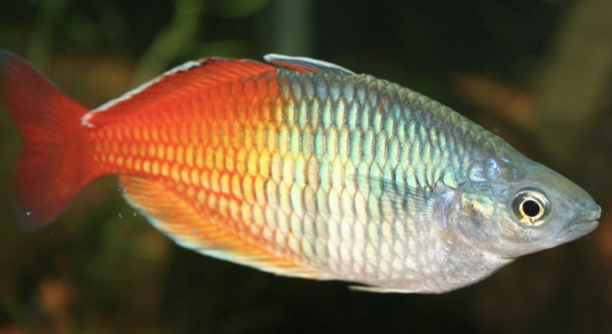
Rainbow fish are known for their vibrant colors and playful nature, but sometimes, they can avoid each other. Understanding the reasons behind this behavior can help improve their environment and social dynamics.
Rainbow fish may avoid each other due to territorial instincts, stress, or poor water conditions. Aggression, competition for food, or overcrowding can also contribute to their avoidance. Addressing these factors may help them coexist more peacefully.
Learning how environmental factors and behaviors influence rainbow fish can lead to a healthier and more harmonious tank.
Territorial Behavior of Rainbow Fish
Rainbow fish can become territorial, especially when they feel their space is being invaded. In the wild, they tend to claim areas where they can find food or shelter. When housed in a tank, this instinct remains strong, and fish may defend certain spots. This behavior can lead to aggression, especially if tank space is limited or if there are too many fish in a small area. Territoriality can also cause stress, as the fish may feel the need to constantly guard their space.
Territorial issues often arise when fish don’t have enough room to establish their own territory. A larger tank with enough hiding spots can help reduce conflicts and provide a more peaceful environment for them to thrive.
Creating an environment where each fish has its own space can reduce territorial disputes. By adding plants, rocks, or decorations, you can give rainbow fish places to hide or claim. This setup can help ease their territorial instincts and prevent unnecessary stress, leading to healthier fish. Providing adequate space is key to maintaining a harmonious tank environment.
Stress and Water Conditions
Stress can play a major role in why rainbow fish avoid each other. When they feel threatened, fish often retreat or become more aggressive. Poor water conditions, such as high levels of ammonia or incorrect pH, can make fish feel unsafe. In addition, sudden changes in water temperature can cause stress. Stressful environments can lead to behavioral issues like avoiding other fish or even becoming sick. Keeping water conditions stable and within the recommended range can reduce stress and allow the fish to interact more freely.
Maintaining good water quality is essential. Regular water changes and monitoring water parameters can prevent stress-related behaviors. If fish are stressed, they are more likely to avoid each other, leading to a less active tank.
Healthy water conditions promote a calm environment, making it easier for fish to interact. Consistent filtration and water testing are important for preventing issues that cause stress. Keeping fish in a stable, clean environment not only supports their well-being but also encourages social behaviors among them. By avoiding drastic changes in the tank’s water conditions, you can reduce stress and improve the social dynamics of your rainbow fish.
Overcrowding in the Tank
Overcrowding in a tank can cause a range of issues for rainbow fish. When too many fish share a small space, aggression and stress levels increase. Fish are forced to compete for space, food, and shelter. This can lead to avoidance behaviors as they try to establish dominance or find areas where they feel safer.
A well-maintained tank should provide enough space for each fish to thrive. If too many fish are added without consideration of tank size, overcrowding can quickly become a problem. This makes it harder for the fish to coexist and increases stress, which results in avoidance.
A general rule is to allocate about one inch of fish per gallon of water. However, specific species, including rainbow fish, may require more space depending on their size and activity levels. By keeping fewer fish, ensuring proper filtration, and adding decorations for hiding places, the fish are more likely to interact positively. Creating a less crowded environment encourages natural behaviors and reduces avoidance.
Incompatible Tankmates
Rainbow fish may avoid each other due to aggressive or incompatible tankmates. If housed with fish that are overly territorial or aggressive, they may feel threatened. In some cases, fish may become stressed, which leads to them avoiding one another. Choosing the right tankmates is crucial for preventing this behavior.
Aggressive fish, like cichlids, can disrupt the peaceful nature of the tank. Rainbow fish are typically calm, and adding aggressive species can trigger stress responses, leading to avoidance. To avoid this, select peaceful tankmates that do not compete aggressively for resources.
When introducing new fish to the tank, it’s important to monitor their behavior and interactions. Some species may initially get along, but territorial disputes can develop over time. Providing enough hiding spots and keeping aggressive fish in separate tanks or away from rainbow fish can help reduce tension. Properly matching tankmates and managing space can encourage better social interactions.
Feeding Issues
Rainbow fish may avoid each other if they feel food is scarce. In situations where food competition is high, some fish may dominate the feeding area, leaving others stressed or hungry. This can cause them to retreat or avoid others to prevent conflict.
Feeding issues often arise when multiple fish compete for the same food. Rainbow fish, being social creatures, should have access to ample food without interference. To ensure everyone gets enough, feed the fish at different spots in the tank or provide smaller meals throughout the day. This can reduce tension and promote peaceful interactions.
Water Temperature
Rainbow fish are sensitive to water temperature. If the water is too warm or too cold, they may avoid each other. Inconsistent temperatures can cause stress and trigger avoidance behaviors. Keeping the temperature steady and within the recommended range helps maintain balance.
Consistent water temperature is vital for rainbow fish. A stable environment supports their health and reduces unnecessary stress. Using a reliable heater and thermometer can ensure the water stays at the ideal temperature, typically between 72°F and 78°F. A properly regulated environment encourages the fish to engage with each other more comfortably.
Lighting Conditions
Rainbow fish can also avoid each other due to inappropriate lighting. Bright or harsh lighting can cause stress, making the fish retreat into hiding spots. Soft, dim lighting tends to promote a more relaxed atmosphere, which encourages social behavior and interaction among the fish.
Proper lighting is essential in a tank. While rainbow fish do enjoy a well-lit environment, it should not be too intense. Using adjustable lighting allows you to control the tank’s brightness, creating an ideal setting for the fish to feel comfortable. This way, the fish can stay active without feeling overwhelmed by harsh lighting.
FAQ
Why do rainbow fish sometimes swim alone?
Rainbow fish may swim alone when they are feeling stressed, threatened, or uncomfortable with their environment. Factors like poor water quality, overcrowding, or incompatible tankmates can trigger this behavior. When they feel unsafe, they may seek isolation. Providing a stable, stress-free environment with adequate space and proper water conditions can help encourage social behaviors.
Can rainbow fish live with other species?
Yes, rainbow fish are generally peaceful and can live with other species. However, compatibility depends on the temperament of the other fish. Avoid housing them with aggressive species like cichlids, as this can cause stress and lead to avoidance behaviors. Choosing peaceful, non-territorial tankmates ensures a better environment for all.
How can I prevent rainbow fish from avoiding each other?
To prevent avoidance, focus on maintaining a stable tank environment. Ensure proper water conditions, such as temperature, pH, and ammonia levels. Adequate space is also crucial. Overcrowding can cause stress, leading to avoidance. Adding hiding spots and plants can provide fish with areas to retreat without conflict.
What is the ideal tank size for rainbow fish?
Rainbow fish typically require at least a 20-gallon tank for a small group. Larger tanks, such as 30 gallons or more, are recommended to accommodate multiple fish and provide enough space for them to swim and establish territories. Larger tanks also help maintain water quality and reduce stress.
Do rainbow fish get along with other rainbow fish?
Rainbow fish usually get along with other rainbow fish, especially if they are the same species. However, if there are too many males, they may display territorial behavior, leading to conflicts. Keeping a good balance between males and females can reduce aggression and encourage peaceful interactions within the group.
What can I do if my rainbow fish is being aggressive?
If a rainbow fish is being aggressive, it could be a sign of stress, overcrowding, or territorial disputes. The best solution is to rearrange the tank, providing hiding spots and breaking up sightlines. In extreme cases, separating the aggressive fish into a different tank may be necessary to restore peace.
Are rainbow fish sensitive to water temperature?
Yes, rainbow fish are sensitive to water temperature. They prefer temperatures between 72°F and 78°F. If the water is too cold or too warm, they may become stressed, leading to avoidance or aggression. Maintaining a stable, moderate temperature with a reliable heater is crucial for their well-being.
How can I improve water quality for my rainbow fish?
To improve water quality, perform regular water changes (about 25% every two weeks), check for proper filtration, and monitor the ammonia, nitrite, and nitrate levels. Adding live plants can also help absorb excess nutrients and improve oxygen levels in the tank. Keep the water clean and stable to prevent stress and encourage natural behaviors.
What type of food do rainbow fish prefer?
Rainbow fish are omnivores and will eat a variety of foods, including flakes, pellets, live foods, and frozen options. A balanced diet of high-quality fish flakes, along with occasional treats like brine shrimp or bloodworms, is ideal for their health. Ensure they are fed in moderation to avoid overfeeding, which can lead to water quality issues.
Do rainbow fish need a lot of hiding places?
Rainbow fish don’t require as many hiding places as more timid species, but providing some is beneficial. Plants, rocks, or decorations give them options for retreat if they feel stressed or threatened. These hiding spots also help reduce territorial disputes, as fish can claim their own areas.
How often should I feed rainbow fish?
Rainbow fish should be fed 1-2 times a day. Offer small portions that they can consume within a few minutes to avoid overfeeding. If you have a mixed-species tank, ensure each fish gets an equal share of food by spreading it across different areas of the tank. Adjust feeding based on the number of fish and their activity level.
Can rainbow fish survive in a community tank?
Yes, rainbow fish are well-suited for community tanks, as long as the tankmates are peaceful. They coexist well with other non-aggressive species such as tetras, corydoras, and gouramis. However, it’s important to ensure the tank is not overcrowded and that there are enough resources (food, space, and hiding spots) for all fish.
Why are my rainbow fish hiding all the time?
If rainbow fish are hiding frequently, it could be due to stress, water quality issues, or aggressive tankmates. Check the water parameters, ensure the tank is large enough, and observe interactions between the fish. If they feel threatened or are unable to find a comfortable space, they may retreat and hide more often.
Do rainbow fish need strong lighting?
Rainbow fish prefer moderate lighting. While they enjoy bright light, it should not be too intense. Excessive lighting can lead to stress or encourage algae growth. Using adjustable lighting allows you to control the brightness to suit both the fish and the plants in the tank.
How long do rainbow fish live?
Rainbow fish typically live 3-5 years in a well-maintained tank, although some species may live longer with optimal care. Providing proper nutrition, water quality, and tank conditions can help them reach their full lifespan. Regular monitoring of their health and environment ensures they remain healthy throughout their life.
Do rainbow fish need a filter?
Yes, rainbow fish need a filter to maintain water quality. A filter helps remove waste, uneaten food, and toxins from the water, preventing harmful buildups that could stress or harm the fish. Choose a filter that matches the tank size and type of fish, ensuring it’s not too strong to cause current issues.
Final Thoughts
Rainbow fish are social creatures that thrive in a peaceful and well-maintained environment. While they may occasionally avoid each other, it’s usually a sign of stress or discomfort caused by factors such as poor water quality, inappropriate tankmates, or overcrowding. Ensuring that these fish have enough space, proper water conditions, and a balanced social environment will help them feel more at ease and less likely to isolate themselves. By observing their behavior and addressing any underlying issues, you can create an environment where they can interact freely and live healthy, happy lives.
Proper care of rainbow fish involves maintaining stable water temperature, clean water, and a well-balanced diet. These factors play a key role in reducing stress and promoting positive social interactions among fish. When feeding, it’s important to offer a variety of high-quality food options while avoiding overfeeding, as excess food can deteriorate water quality. Regular water changes and tank maintenance will help maintain the ideal living conditions for your fish, ensuring they remain active and engaged with each other.
Overall, rainbow fish can live harmoniously with one another and other peaceful species if their environment is carefully monitored and adjusted to meet their needs. Understanding the reasons behind their behavior, such as avoidance, can help you take appropriate action to resolve any issues. With attention to detail and a commitment to their care, rainbow fish can thrive, offering vibrant colors and peaceful companionship in any tank.

Hello,
If you enjoy the content that we create, please consider saying a "Thank You!" by leaving a tip.
Every little bit helps us continue crafting quality advice that supports the health, happiness, and well-being of pets around the world, for pets of all shapes, sizes, and species.
We really appreciate the kindness and support that you show us!