
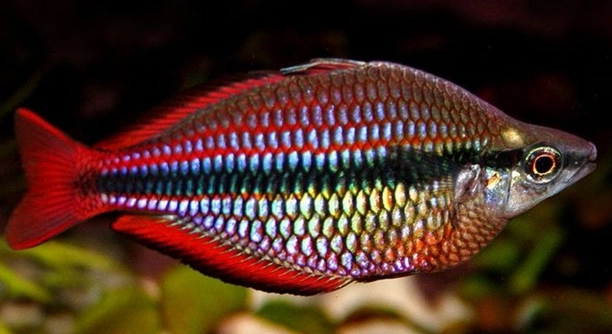
Rainbow fish are often seen hiding behind filters in their tanks, which may leave owners puzzled. This behavior can be unsettling, especially for those unfamiliar with fish habits. Understanding why they do this can help alleviate concerns.
The primary reason rainbow fish hide behind filters is to seek shelter and feel secure. Filters provide a steady water flow, creating a calm space where fish can rest without feeling threatened. This behavior is natural and protective.
Knowing the reasons behind this behavior allows you to better accommodate your fish’s needs and ensure their environment is as comfortable as possible.
Why Rainbow Fish Seek Shelter Behind Filters
Rainbow fish often feel the need to hide behind filters due to their natural instincts. In the wild, fish seek out places where they feel safe, especially when there is movement or unfamiliar surroundings. The filter provides a constant flow of water, which offers a sense of security. They instinctively know that areas with moving water may offer a safe haven, away from potential threats. This behavior is not always an indication of stress, but rather a way for the fish to create their own space.
Rainbow fish find comfort in the consistency the filter provides. By positioning themselves behind the filter, they can rest without feeling exposed. It allows them to stay close to water flow without needing to swim constantly, which can be exhausting for them.
Understanding this behavior can lead to better aquarium setup choices. Avoid moving or disturbing the filter too much, as it could cause unnecessary stress. In addition, making sure there are other hiding spots in the tank might help the fish feel secure without relying too much on the filter.
How to Create a Comfortable Environment for Rainbow Fish
Providing hiding spots is key for rainbow fish. Adding plants, rocks, or decorations can make them feel safe.
A well-decorated tank allows rainbow fish to choose where they want to rest. The more options they have, the less dependent they become on the filter. This can help reduce the chances of stress and improve their overall health. The placement of decorations and other elements can also make your tank look more visually appealing, benefiting both the fish and the aquarium’s overall aesthetic.
Tank Setup and Maintenance
A clean tank is essential for the well-being of rainbow fish. Regular maintenance ensures the water remains healthy and the environment stable. Fish often hide when conditions are unfavorable, such as when the water quality drops.
Proper filtration, regular water changes, and maintaining the right temperature can reduce stress. A filter should be cleaned regularly to avoid clogging, and the tank should have adequate aeration. Make sure the filter is not too strong, as a strong current may push your rainbow fish to hide more often.
Monitoring the water parameters regularly is crucial for your fish’s comfort. Ensure the pH, hardness, and temperature stay within acceptable ranges for rainbow fish. Maintaining a stable environment will encourage more natural behavior, and your fish will feel safer exploring their tank instead of hiding behind filters.
Fish Behavior and Stress Management
Fish hide when stressed. If they are hiding frequently behind the filter, it could be a sign they need more comfort. Understanding the signs of stress in rainbow fish is important.
Stress can come from factors such as sudden changes in the tank, overcrowding, or incompatible tank mates. Ensure that your rainbow fish are not exposed to loud noises or vibrations from outside the tank, as they can easily become unsettled. Keeping the tank in a quiet, calm space helps them feel secure. The less they feel threatened, the less likely they are to hide behind the filter.
Filter Placement and Fish Behavior
The placement of the filter plays a role in your fish’s behavior. If the filter is in a corner or positioned poorly, it may cause too much flow, pushing the fish to hide behind it.
Adjusting the filter’s location or using a filter with adjustable flow can make a significant difference. This helps reduce strong currents and gives the fish a more peaceful environment to explore. Ensuring the filter is placed in a way that minimizes disturbance helps create a calmer space where rainbow fish feel safe.
The Role of Tank Lighting
Lighting affects fish behavior. Too bright of a light may cause your rainbow fish to hide more often.
Adjusting the intensity and duration of tank lighting can make your fish more comfortable. Fish, like rainbow fish, prefer a balance between light and shade. Providing shaded areas in the tank, using softer lighting, and ensuring proper day-night cycles will help them feel secure enough to stay out from behind the filter.
FAQ
Why do rainbow fish hide behind filters?
Rainbow fish hide behind filters primarily to feel secure. The steady water flow offers them a sense of protection. In the wild, fish often seek places with moving water to hide from predators. This behavior continues in an aquarium, where they may use the filter as their refuge from perceived threats. It’s a natural instinct for them to stay close to areas that offer safety and comfort.
Can rainbow fish be stressed by the filter?
Yes, rainbow fish can become stressed if the filter’s water flow is too strong. Strong currents may cause them to feel overwhelmed, prompting them to hide. To reduce stress, ensure the filter is not overpowering for your fish. You can use filters with adjustable flow settings or place the filter in a location where the current is gentler.
How can I reduce my rainbow fish’s reliance on the filter for hiding?
Provide alternative hiding spots in the tank, such as plants, rocks, or decorations. This allows the fish to feel secure in multiple places, not just behind the filter. Having varied hiding spots in the tank reduces the pressure on the fish to rely solely on the filter as a safe zone. Ensure there are shaded areas and smaller spaces where they can retreat when needed.
What signs indicate my rainbow fish are stressed?
Stressed rainbow fish may exhibit behaviors such as hiding more frequently, staying in one spot, or swimming erratically. They may also show signs of rapid gill movement or breathing difficulties. Stress can result from factors like poor water quality, sudden temperature changes, overcrowding, or aggressive tank mates. Keeping an eye on their behavior and adjusting the tank conditions can help relieve stress.
Is it normal for rainbow fish to hide during the day?
It is normal for rainbow fish to hide occasionally, especially during the daytime. However, if they are hiding too often, it may indicate stress or discomfort. Ensure the tank environment is stable and there are enough hiding spots. Rainbow fish tend to be more active during feeding times or in the presence of low light.
Do rainbow fish prefer certain water conditions for hiding?
Rainbow fish feel most comfortable in stable water conditions. They prefer water that is slightly acidic to neutral, with temperatures between 72°F and 78°F (22°C to 25°C). They also require clean, well-filtered water with good oxygenation. Providing these ideal conditions will encourage more natural behavior and less hiding behind the filter.
How often should I clean the filter to prevent stress?
The filter should be cleaned every 2 to 4 weeks, depending on the size of your tank and the filter’s capacity. Regular cleaning ensures the filter is working efficiently and not releasing debris or waste back into the water, which can negatively impact water quality and cause stress for your rainbow fish. Be sure not to over-clean, as beneficial bacteria in the filter can be disturbed.
Can tank mates affect rainbow fish hiding behavior?
Yes, aggressive or territorial tank mates can cause stress, leading rainbow fish to seek shelter behind the filter more frequently. If tank mates are bullying or chasing the rainbow fish, it may trigger this behavior. Choosing peaceful species that get along well with rainbow fish can reduce the likelihood of hiding due to aggression.
How can I tell if my rainbow fish are hiding due to illness?
If your rainbow fish are hiding due to illness, they may exhibit other symptoms such as discoloration, clamped fins, or loss of appetite. Illness may cause them to isolate themselves, and they may appear lethargic or have difficulty swimming. If your fish show any signs of illness, it’s important to check water parameters and consider consulting a veterinarian.
What other factors should I consider for rainbow fish tank care?
Apart from water conditions and filter setup, ensure your tank has proper lighting, sufficient space, and a stable temperature. Rainbow fish are social and prefer being in groups, so keeping them in pairs or small schools can also reduce stress. Providing a balanced diet and regular water changes will ensure your fish remain healthy and less likely to hide excessively.
Final Thoughts
Rainbow fish hiding behind filters is a natural behavior linked to their instincts. These fish often seek areas where they feel safe, and the filter provides a consistent flow of water that mimics the protective environments they would find in the wild. The filter creates a calm, sheltered space that offers them security, which is why they tend to hide there. Understanding this behavior helps aquarium owners realize that it’s not necessarily a sign of stress, but rather a protective instinct. As long as the water conditions are good and the fish are otherwise healthy, hiding behind the filter is often harmless.
While it’s normal for rainbow fish to seek refuge behind filters, owners should still ensure their tank environment meets their needs. Having multiple hiding spots around the tank, such as plants or decorations, can help reduce their reliance on the filter. A balanced environment with the right water temperature, pH level, and oxygenation will encourage more natural behavior. Reducing stress factors, such as loud noises or aggressive tank mates, can also help the fish feel more secure. A peaceful tank setup with enough space and hiding spots will allow rainbow fish to feel comfortable exploring the entire tank.
In conclusion, understanding why rainbow fish hide behind filters and making adjustments to the tank environment can significantly improve their well-being. Regular maintenance of the filter, careful monitoring of water quality, and creating a safe, peaceful space for them to thrive are all key to maintaining a healthy aquarium. By ensuring the tank setup supports their natural instincts, owners can help rainbow fish feel more secure and less likely to rely on hiding as their primary means of comfort.

Hello,
If you enjoy the content that we create, please consider saying a "Thank You!" by leaving a tip.
Every little bit helps us continue crafting quality advice that supports the health, happiness, and well-being of pets around the world, for pets of all shapes, sizes, and species.
We really appreciate the kindness and support that you show us!