
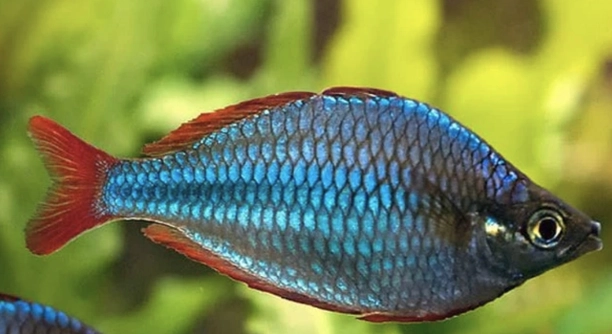
Rainbow fish exhibit unique behaviors before they sleep, creating an interesting pattern of activity. These small, vibrant fish prepare for rest in a way that differs from many other aquatic species. Understanding these behaviors adds insight into their routines.
Rainbow fish often display specific actions before sleeping, such as swimming to a sheltered area, slowing down their movements, and adjusting their body position. They may also reduce their activity levels and exhibit calm, synchronized movements before settling down for the night.
Understanding these habits reveals how these fish adapt to their environment before sleep.
Preparing for Sleep
Rainbow fish often display a clear routine as they prepare for rest. As night approaches, they tend to move toward areas that offer shelter, such as plants or rocky crevices. These spaces provide protection from potential threats. Their behavior becomes slower, and their movements less erratic. This calmer state indicates that they are winding down for the night. They may even exhibit a reduction in swimming speed and begin to seek out the quietest, most secure spots in their habitat. In a well-maintained aquarium, rainbow fish will usually rest in these secluded areas until the morning light encourages them to become more active.
Their bodies also shift to a more relaxed position, which is a sign that sleep is near. As the lighting dims in the tank, the fish stop exploring as actively and seem to be at peace with their surroundings.
This behavior is vital to understanding how these fish interact with their environment. It shows how important it is for them to feel secure before sleep.
Changes in Movement
At night, rainbow fish slow down significantly. The rapid movements they exhibit during the day are replaced by more gradual, controlled motions. This decrease in activity is essential for conserving energy and maintaining a healthy sleep cycle.
The fish’s slower pace is also linked to their natural circadian rhythm, which governs their sleep and wake cycles. The reduction in movement allows them to rest properly and is essential for their well-being. In aquariums, proper lighting is crucial to help regulate these cycles.
In tanks where the lighting mimics natural daylight, rainbow fish can follow this rhythm. Fish that do not receive enough rest may become stressed, leading to health problems over time. When they are allowed to rest without interruption, they maintain optimal energy levels for the day ahead. Proper tank conditions ensure their restful sleep periods.
Role of Tank Environment
The environment plays a significant role in helping rainbow fish prepare for sleep. Proper tank conditions are key to their well-being. Adequate water temperature, lighting, and space are essential for maintaining a healthy, balanced life cycle. For these fish, the right environment helps regulate sleep patterns and ensure a peaceful night’s rest.
An aquarium should be designed to mimic natural conditions. For rainbow fish, this means providing hiding spots where they can retreat. These areas should be easily accessible but also offer protection. Plant life, rocks, and other structures are beneficial for creating a secure, sheltered environment. Tanks with such setups encourage the fish to settle in peacefully before sleep, helping them rest without unnecessary stress.
Maintaining these elements is essential for their overall health and activity levels. It allows them to exhibit their natural behavior, like finding a safe resting place. A properly set-up tank lets them live comfortably, supporting their natural rhythms and behaviors.
Positioning Before Sleep
Rainbow fish tend to adjust their body position as they prepare for rest. They often find a spot in the tank where they can remain still for several hours. This resting position is typically near plants, rocks, or the aquarium’s substrate. The fish may even position themselves so that they are partially hidden, offering a sense of safety.
These fish will often face downward or stay close to the surface when they’re winding down. The goal is to reduce visibility and feel less exposed. Once they find their ideal resting place, they remain there, barely moving, until the morning light encourages them to resume their activities.
This positioning is a natural response to the need for security. It helps them stay protected from potential threats while they sleep. In aquariums, creating spaces where the fish can find refuge ensures their natural behaviors continue uninterrupted.
Light Sensitivity
The lighting in an aquarium directly impacts the behavior of rainbow fish before they sleep. They are sensitive to light and tend to become more active during daylight hours. As the tank lights dim, they gradually become calmer and prepare to rest. Proper lighting conditions are essential for regulating their sleep-wake cycles.
When the lights go down, rainbow fish begin to exhibit less movement. Their body color may change slightly as they transition into their night state. In a tank with consistent lighting, rainbow fish can maintain a healthy circadian rhythm, which is vital for their overall well-being.
If aquarium lights are too bright at night, rainbow fish may experience stress and fail to rest properly. To maintain balance, light cycles should mimic natural daylight patterns. This helps to promote healthy sleep habits for the fish and creates a more stable environment.
Reduced Activity Levels
Before sleep, rainbow fish noticeably decrease their activity levels. They move less and become less reactive to external stimuli. This slowdown helps them conserve energy for the next active period. The reduction in activity also marks the transition from the day’s routines to the restful state of the night.
This shift in behavior allows them to focus on resting and recharging. They typically avoid excessive swimming or interaction with tank mates. This period of calm is essential for their overall health, giving their bodies the time needed for recovery and readiness for the following day’s activities.
Adjusting to Temperature
Rainbow fish are sensitive to temperature changes, and their sleep preparation is affected by water temperature. As night falls and the aquarium cools slightly, they may become less active. Their metabolism slows down to match the drop in temperature, aiding in their transition to a restful state.
When the water temperature is too high or too low, their rest can be disrupted. To help them sleep soundly, the water should be kept within the ideal range for their species. Stability is key. Maintaining consistent temperatures helps support their circadian rhythms and overall sleep quality.
Behavior Towards Tank Mates
Rainbow fish exhibit certain behaviors towards their tank mates before sleeping. They often reduce their social interactions and may seek out quieter spaces in the tank. This change helps to minimize distractions and stress, allowing them to enter a more relaxed state before resting.
By reducing activity, rainbow fish ensure that they have enough space to settle down. Tank mates that are more active may disturb this process, potentially causing stress. Providing adequate space in the tank can help all fish rest comfortably without unnecessary disturbances during the night.
FAQ
What are the signs that a rainbow fish is ready to sleep?
Rainbow fish show signs of sleep readiness through a significant reduction in activity. They begin to swim slower and less frequently, with their movements becoming more deliberate. Additionally, they often seek out sheltered areas like plants, rocks, or the aquarium’s substrate to settle in. These changes indicate they are preparing for rest. As the light dims in the tank, their behavior becomes even more subdued, signaling the shift toward sleep. It’s important to note that this transition typically happens after the day’s activities, once they feel safe and comfortable in their environment.
Do rainbow fish sleep in the same spot every night?
While rainbow fish do prefer sheltered spots to sleep, they may not always rest in the same location every night. Some rainbow fish are more flexible and may switch places depending on the availability of safe hiding spots or changes in their environment. However, once they find a preferred area, they may return there consistently if it offers comfort and security. Over time, fish in a well-maintained aquarium tend to settle into certain patterns, but flexibility remains part of their natural behavior.
Can rainbow fish sleep with the lights on?
Rainbow fish can sleep with the lights on, but it’s not ideal for their rest. Their sleep cycle is closely linked to the light levels in their environment. Bright lights during the night can disturb their sleep and affect their circadian rhythms, potentially causing stress. It’s best to dim the tank lights or switch to a nightlight setting to simulate natural nighttime conditions. Proper lighting helps them to wind down and maintain a healthy sleep-wake cycle, leading to better overall health.
How long do rainbow fish sleep?
Rainbow fish generally sleep for 8 to 12 hours, depending on their environment and daily activity levels. Their sleep patterns are typically tied to the light cycle, so they may rest more during the night and become active again with the light. In a well-lit aquarium, they will naturally follow a rhythm that aligns with typical night and day cycles. However, if the light conditions are irregular, their sleep duration may be disrupted, affecting their overall health and well-being.
Do rainbow fish sleep like humans?
Rainbow fish sleep differently from humans. While humans have deep, REM (Rapid Eye Movement) sleep, rainbow fish enter a state of restful inactivity. They don’t experience the same sleep stages, but they do reduce their activity significantly and become less responsive to stimuli. Their sleep is more about conserving energy and resting their bodies for the following day. Despite not having the same sleep structure as humans, rainbow fish still require adequate rest for their health and well-being.
How can I help my rainbow fish sleep better?
To help rainbow fish sleep better, ensure they have a stable and secure environment. Provide plenty of hiding spots, such as plants or rocks, where they can retreat before sleep. Maintain a consistent light cycle that mimics natural day and night patterns. Avoid bright, harsh lighting during the evening, as this can interfere with their sleep. Additionally, ensure the water temperature remains within the ideal range for their species. A calm, quiet environment without disturbances from other tank mates will also promote better rest for your fish.
Is it normal for rainbow fish to be inactive during the night?
Yes, it is normal for rainbow fish to be inactive during the night. As a natural part of their behavior, they become less active and settle into a calm state to prepare for rest. This inactivity is essential for conserving energy and recharging for the next day’s activities. However, if a rainbow fish remains unusually inactive during the day as well, it could indicate stress or health issues. In such cases, check for any disruptions in their environment, such as poor water quality or tankmate aggression.
Do rainbow fish need darkness to sleep?
Rainbow fish do benefit from a period of darkness to signal that it’s time for sleep. While they can sleep in low light conditions, complete darkness is not necessary. The key is maintaining a consistent day-night cycle with dim lighting during the night. Too much light at night can disrupt their natural sleep-wake cycles, affecting their overall health. It’s important to replicate natural conditions in the tank to allow them to rest properly and maintain healthy sleep habits.
Can rainbow fish sleep with other fish in the tank?
Rainbow fish can sleep with other fish in the tank, as long as they feel safe. They may adjust their behavior depending on the tankmates, but generally, they are peaceful fish that can share space with others. The key is ensuring that there is enough room for each fish to find its own resting spot. Aggressive or overly active tankmates can disturb their sleep, so it’s best to keep rainbow fish with compatible species that won’t disrupt their peaceful resting time.
What happens if rainbow fish don’t get enough sleep?
If rainbow fish don’t get enough sleep, it can lead to stress and weakened immune systems. Inadequate rest can affect their metabolism, making them more vulnerable to diseases and less active during the day. Chronic lack of sleep can also cause behavior changes, such as increased aggression or anxiety. Ensuring they have enough time to rest is crucial for their health, so maintaining a calm, stable environment with proper lighting and temperature is essential to prevent sleep disruption.
Can rainbow fish sleep in moving water?
Rainbow fish can sleep in moving water, but they typically prefer calmer areas for rest. In the wild, they may find sheltered spots in streams where the current is slower. In aquariums, it’s best to provide areas with gentle water flow, such as behind plants or near rocks, so they can rest comfortably. Strong currents can cause stress, making it harder for them to settle into a restful state. A stable water flow that mimics their natural habitat will help them sleep better.
Final Thoughts
Rainbow fish are fascinating creatures, and understanding their sleep patterns can improve their overall care and well-being. These fish need a peaceful and secure environment to rest, just like any other living creature. By observing their behavior, it’s possible to see when they are winding down for the night. A decrease in activity and the search for a quiet spot to rest are clear signs they are preparing for sleep. While they don’t need complete darkness, reducing light at night is important for their sleep cycle. Creating a stable and calm environment that mimics natural conditions will support their health.
Maintaining an appropriate tank setup plays a significant role in their ability to sleep. Ensuring there are enough hiding places, like plants or rocks, will help them feel secure and ready for rest. Additionally, keeping the water temperature within the ideal range is essential, as changes in temperature can affect their sleep quality. Avoiding excessive light during the night also helps them adjust to the rhythm of day and night. By providing these basic conditions, rainbow fish can rest properly and stay healthy.
The sleep patterns of rainbow fish might not be as complex as those of humans, but they are still essential to their overall well-being. Sleep plays a crucial role in their physical health, metabolism, and behavior. Poor sleep can lead to stress and health issues, so it’s important to ensure they have a peaceful resting period each night. With the right care and environment, rainbow fish can enjoy restful sleep and thrive in your aquarium.

Hello,
If you enjoy the content that we create, please consider saying a "Thank You!" by leaving a tip.
Every little bit helps us continue crafting quality advice that supports the health, happiness, and well-being of pets around the world, for pets of all shapes, sizes, and species.
We really appreciate the kindness and support that you show us!