
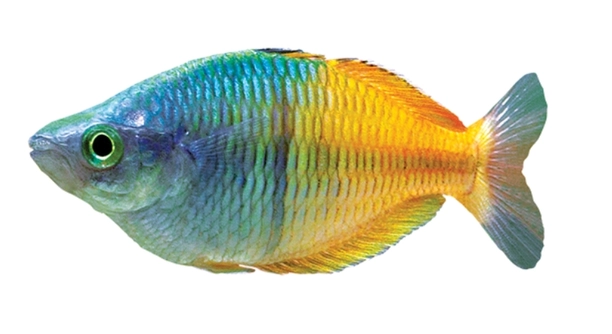
Rainbow fish are captivating creatures often admired for their stunning colors and lively behavior. Their unique ways of interacting with their surroundings make them fascinating to observe. Let’s explore some cool facts about how they behave.
Rainbow fish display interesting behaviors, including social interactions, territoriality, and unique mating rituals. They often thrive in groups and communicate through body movements and colors. Their behavior is influenced by environmental factors and their instincts.
Understanding their behavior can enhance the experience of keeping them in aquariums. By observing how they interact, you can ensure a thriving and happy environment for these vibrant fish.
Rainbow Fish Social Behavior
Rainbow fish are known for their social nature, often living in schools or groups. They enjoy the company of others and are rarely seen alone in the wild. Being in groups helps them feel secure, reducing stress levels. Their social behavior is not only essential for their well-being, but it also plays a role in finding food and avoiding predators. In aquariums, keeping them in schools allows them to display their natural behavior, such as swimming in synchronized patterns. When alone, they can become shy or skittish, highlighting the importance of having multiple fish in the tank.
Despite their social nature, rainbow fish also establish hierarchies within their schools. Dominant fish tend to lead, while others follow. This hierarchy helps maintain order within the group, making sure that resources, like food, are shared in a balanced way. The fish at the top of the hierarchy often display brighter colors, signaling their dominance to others.
In their natural habitat, rainbow fish use their bright colors not only to attract mates but also to communicate with one another. When kept in a tank, observing these interactions can be fascinating. By maintaining a well-balanced environment, their social structures and behaviors can thrive.
Territorial Behavior
Rainbow fish can show territorial tendencies, especially during breeding. They may guard specific areas of the tank, displaying aggressive behaviors toward intruders. These behaviors are natural and part of their instinct to protect their space and resources.
During mating seasons, males become more territorial, chasing off other males to secure a mate. They use their vivid colors to attract females, and the brightest fish usually get the most attention. However, when these territories overlap, conflicts can occur. Providing ample space in the aquarium helps reduce these territorial disputes.
Mating Rituals
Rainbow fish have fascinating mating behaviors. The males perform elaborate displays to attract females, often showing off their bright colors. These displays involve swimming in circles and vibrating their fins. The most vibrant males usually catch the attention of females.
Once a female is attracted, the male continues to pursue her, trying to get close. This can go on for a while before the female selects her mate. Afterward, the pair will lay eggs in the plants or substrate, where the male fertilizes them. These rituals are a crucial part of the fish’s life cycle, ensuring the survival of the species.
The mating rituals of rainbow fish can also be affected by environmental factors. The water temperature, tank size, and the presence of other fish can influence when and how they breed. In an aquarium setting, it’s important to provide the right conditions to encourage natural behaviors, allowing the fish to mate comfortably. When conditions are ideal, these fish often breed with little human intervention.
Feeding Behavior
Rainbow fish are opportunistic feeders, meaning they’ll eat whatever food is available. In the wild, they feast on small invertebrates, algae, and plant matter. In a tank, their diet should include a mix of flake foods, pellets, and live or frozen foods.
They are not picky eaters, but they do enjoy variety in their meals. Providing them with a well-rounded diet helps them stay healthy and active. Their feeding behavior can also be influenced by the presence of other fish, as they may compete for food. Ensuring a balanced feeding schedule is important for their well-being.
Feeding rainbow fish in a tank requires consistency and observation. They tend to eat quickly, so be mindful not to overfeed them. Excess food can lead to poor water quality, which can stress the fish and affect their behavior. Regularly removing uneaten food can help maintain a clean and healthy environment.
Swimming Patterns
Rainbow fish swim in a smooth, coordinated manner. They often move together in groups, creating beautiful, synchronized patterns. Their movement is fluid and effortless, showing off their agility in the water. This behavior is often seen when they feel safe and comfortable.
These swimming patterns also serve as a way to protect themselves from predators. By swimming in schools, they confuse potential threats, making it harder for predators to single out an individual. In aquariums, they are more likely to swim actively when housed in groups of at least five or six fish.
In the wild, rainbow fish swim in shallow waters, constantly searching for food. They will swim near the surface or close to vegetation, where they can hide from larger predators. Their strong swimming ability is essential for both hunting and avoiding danger.
Communication Through Color
Rainbow fish use their vibrant colors to communicate with each other. These colors can change depending on the situation, such as during mating or when establishing dominance. Brighter colors are often seen when a fish is trying to impress a mate or defend its territory.
Their colorful displays help maintain social structures within the group. Fish at the top of the hierarchy typically exhibit more intense coloration, signaling their dominance to others. In contrast, less dominant fish may have more subdued colors, signaling their lower status.
The colors of rainbow fish also play a role in attracting mates. Males will brighten their hues to attract females, with the most colorful fish often getting the most attention. These color changes are natural and play a vital role in the fish’s social interactions.
Resting Behavior
Rainbow fish are active swimmers, but they also need time to rest. Unlike other fish, they do not sleep in the same way humans do. Instead, they enter a more relaxed state where their activity level decreases, and they remain still for periods.
FAQ
How often should I feed my rainbow fish?
Rainbow fish should be fed once or twice a day. It’s important to offer them a variety of food, such as flakes, pellets, and occasional live or frozen food. They are opportunistic feeders and will consume as much as they can, so it’s best to provide small amounts at a time. Overfeeding can lead to poor water quality, which can negatively impact the health of your fish.
What size tank do rainbow fish need?
Rainbow fish are active swimmers and need ample space. A tank of at least 30 gallons is recommended for a small group of rainbow fish. The bigger the tank, the better, as it allows for more room for them to swim and interact. A larger tank also helps maintain water quality and reduces territorial behavior.
Can rainbow fish live with other fish?
Yes, rainbow fish are generally peaceful and can coexist with many other species. However, they may show aggression toward fish that are similar in size and color. It’s important to choose tank mates that are not overly territorial or aggressive. Some good companions for rainbow fish include tetras, corydoras, and peaceful barbs.
What water conditions do rainbow fish prefer?
Rainbow fish prefer slightly acidic to neutral water with a pH range of 6.5 to 7.5. The water temperature should be between 72°F to 78°F (22°C to 25°C). They also thrive in soft to moderately hard water. Maintaining consistent water parameters is important for their overall health and well-being. A good filtration system and regular water changes are essential to keep the water clean and stable.
Why are my rainbow fish not showing their full colors?
There are several reasons why rainbow fish may not show their brightest colors. Stress, poor water quality, and an inappropriate diet can all cause color dullness. Ensure that the water parameters are stable and that the fish are not being bullied by others in the tank. A varied and nutritious diet also helps maintain their vibrant hues.
Do rainbow fish need a lot of light?
Rainbow fish do not require excessive lighting, but they do need some light to maintain their color and health. A moderate amount of light, around 8-10 hours a day, is ideal. Too much light can lead to algae growth, while too little light may affect the fish’s activity and color. Use a good aquarium light to simulate natural daylight.
Are rainbow fish hardy?
Rainbow fish are considered relatively hardy, but they still require proper care. They are more resilient than many other freshwater species, but like any fish, they need stable water conditions and regular maintenance. When kept in ideal conditions, they can live for several years and thrive in aquariums.
How can I tell if my rainbow fish are healthy?
Healthy rainbow fish are active, display bright colors, and swim confidently in the tank. Their fins should be intact, and they should not exhibit signs of disease, such as bloating, lesions, or abnormal swimming behavior. Regular observation and maintaining good water quality can help prevent many health issues.
Do rainbow fish need a lot of space to swim?
Rainbow fish are active swimmers and need plenty of space to move freely. They do best in larger tanks, where they can explore and interact with other fish. A tank of at least 30 gallons is a good starting point for a small group, and larger tanks are always better. They feel stressed and confined in smaller spaces.
Can rainbow fish breed in an aquarium?
Yes, rainbow fish can breed in an aquarium under the right conditions. Providing a separate breeding area with soft plants or spawning mops can encourage breeding. It’s important to provide a stable environment with proper water parameters, such as slightly acidic water and a temperature of 74°F to 78°F (23°C to 26°C). After spawning, removing the parents may be necessary to protect the eggs from being eaten.
Do rainbow fish need to be kept in schools?
Rainbow fish are social creatures and thrive in schools. Keeping them in groups of at least five or six helps reduce stress and encourages natural behavior, such as synchronized swimming. In smaller groups or alone, they can become skittish and stressed, which can affect their health.
What can I do to reduce aggression in rainbow fish?
Aggression in rainbow fish is often linked to territorial disputes, especially in smaller tanks or when there are too few hiding spots. Adding more plants, rocks, or other decorations can help reduce aggression by providing territories. Ensuring that you have enough space for each fish and keeping them in schools can also minimize conflict.
Can rainbow fish live with shrimp or snails?
Rainbow fish are generally peaceful with shrimp and snails, although they may nip at small shrimp. Larger snails, like apple snails, usually coexist well with rainbow fish, but smaller species, such as cherry shrimp, may be seen as food. It’s a good idea to observe how the fish interact with these tankmates before adding them.
How do I prevent diseases in rainbow fish?
Maintaining good water quality and keeping the tank clean are the best ways to prevent diseases in rainbow fish. Regular water changes, proper filtration, and monitoring water parameters help create a healthy environment. Quarantining new fish before introducing them to your tank can also prevent the spread of diseases.
What is the lifespan of a rainbow fish?
Rainbow fish typically live between 5 and 8 years, depending on the species and the conditions they are kept in. With proper care, including a well-maintained tank and a balanced diet, they can live a long and healthy life. Regular monitoring of their environment will help ensure they thrive.
Why is my rainbow fish swimming erratically?
Erratic swimming in rainbow fish may indicate stress or health issues. Poor water quality, sudden changes in temperature, or overcrowding can cause this behavior. It’s essential to check the water parameters and ensure that the tank is not overcrowded. If the behavior persists, it’s worth observing the fish for signs of illness.
Final Thoughts
Rainbow fish are beautiful and active creatures that can bring life and color to any aquarium. Their social nature, bright colors, and unique behaviors make them a joy to observe. These fish thrive when kept in groups, and their interactions with each other can be quite fascinating. They are not only a great choice for hobbyists who enjoy watching lively fish but also for those who want to keep a species that is relatively easy to care for. When provided with the right environment, rainbow fish can live long and healthy lives.
However, it’s important to understand their needs to ensure they thrive. Proper water quality, space, and tank mates are key factors in keeping rainbow fish happy. They prefer stable, clean water and need a tank large enough to accommodate their active swimming behavior. While they are generally peaceful, they can show territorial behavior during breeding or if they feel stressed. Keeping them in groups and providing plenty of hiding spots can reduce aggression and make them feel more secure in their environment. With the right care, rainbow fish can easily become one of the most colorful and enjoyable inhabitants of your tank.
Whether you’re a seasoned aquarium keeper or a beginner, rainbow fish are a great choice. They are hardy, adaptable, and relatively easy to care for compared to other species. By ensuring they have the proper water conditions, a varied diet, and enough space, you’ll create a thriving environment where these vibrant fish can show off their stunning colors and behaviors. With time, you’ll be able to appreciate the little nuances of their personalities and the natural beauty they bring to your aquarium.

Hello,
If you enjoy the content that we create, please consider saying a "Thank You!" by leaving a tip.
Every little bit helps us continue crafting quality advice that supports the health, happiness, and well-being of pets around the world, for pets of all shapes, sizes, and species.
We really appreciate the kindness and support that you show us!