
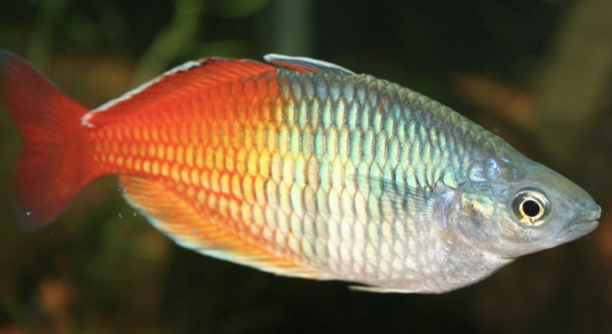
Many new fish owners are eager to care for their rainbow fish but may unknowingly hold onto common myths about their needs and behavior. These myths can often lead to mistakes that affect their health and happiness.
Several myths about rainbow fish, including feeding habits, tank size, and compatibility with other species, are widely accepted by new owners. Understanding these misconceptions and debunking them can lead to healthier fish and a more balanced aquarium environment.
By addressing these myths, new owners can ensure their rainbow fish thrive in a well-maintained and harmonious tank.
Myth 1: Rainbow Fish Only Need a Small Tank
Many people believe that rainbow fish are small and therefore do not require a large tank. However, this is a misconception. In reality, rainbow fish need plenty of space to thrive, as they are active swimmers. A small tank can lead to stress, which affects their health.
Rainbow fish typically grow larger than expected and require a spacious environment to prevent overcrowding. A 30-gallon tank is a good starting point for a small group of rainbow fish. They need room to swim freely and explore. If kept in cramped conditions, their colors may fade, and they can become lethargic. Additionally, overcrowding can lead to aggressive behavior and increased water pollution, both of which harm their well-being.
To keep them healthy, ensure your tank has ample space for movement. The proper tank size will help your fish remain vibrant, energetic, and free of stress. A spacious environment encourages natural behaviors and contributes to overall happiness. Regular water changes and filtration are key to maintaining a stable tank environment.
Myth 2: Rainbow Fish Are Aggressive
It’s common for new owners to believe that rainbow fish are aggressive, but this is not the case. While they are active, rainbow fish are usually peaceful and social with other species.
Rainbow fish are typically non-aggressive, especially if they are kept in a well-balanced tank. However, males may display some territorial behavior during breeding. If you keep multiple males in a tank without enough space, this could lead to occasional squabbles. Adding plenty of plants, rocks, and hiding places helps reduce territorial conflicts. Rainbow fish generally get along with other peaceful fish, making them ideal for community tanks.
To prevent aggression, it’s essential to maintain a healthy environment. Proper tank mates, a balanced setup, and plenty of space can ensure your rainbow fish live harmoniously with others. Additionally, regular monitoring of their behavior can help catch any potential issues early.
Myth 3: Rainbow Fish Don’t Need a Balanced Diet
Many owners believe rainbow fish can survive on any type of fish food. However, their diet needs to be diverse to stay healthy. A proper diet includes high-quality flakes, pellets, and occasional live or frozen food like brine shrimp or daphnia.
Rainbow fish thrive on a varied diet that includes both plant-based and protein-rich foods. Over time, a one-sided diet can lead to malnourishment or other health issues. Their bright colors and active behavior depend on proper nutrition, which supports their immune system, growth, and overall well-being.
It’s important to rotate their food types, ensuring they receive the necessary vitamins and minerals. A consistent feeding schedule with proper portion sizes will prevent overfeeding, which can lead to water quality issues and obesity. Understanding their dietary needs helps maintain healthy fish that display vibrant colors and strong immune responses.
Myth 4: Rainbow Fish Can Live in Any Water Condition
A common misconception is that rainbow fish are adaptable to any water condition. They actually require stable and specific water parameters to stay healthy. The ideal water conditions for rainbow fish include a pH level of 6.5-7.5, moderate hardness, and a temperature range of 72-79°F.
Rainbow fish are sensitive to significant fluctuations in water parameters. A sudden change in pH or temperature can stress them out, making them more susceptible to diseases. Regular testing of water quality and proper filtration can help maintain a stable environment. Water changes should be done consistently, typically 20% weekly, to keep their habitat clean.
Ensuring your water parameters are stable also promotes better coloration and behavior. Keeping your rainbow fish in well-maintained water reduces the risk of stress and helps them thrive. The effort spent on monitoring water quality ensures they remain active and healthy in the long term.
Myth 5: Rainbow Fish Only Live for a Few Months
Some owners assume rainbow fish have a short lifespan, but they can live much longer. In the right conditions, they can thrive for 5-7 years or even more. Proper care, stable water parameters, and a balanced diet contribute to their longevity.
Rainbow fish need consistency in their environment to live long lives. If kept in a well-maintained tank, with a proper diet and no major stressors, they will live out their full lifespan. Overcrowding, poor water quality, and improper feeding can shorten their life expectancy significantly.
By providing a suitable environment, rainbow fish can remain vibrant and healthy throughout their lives. Their active nature and colorful appearance can last for years, bringing life to your aquarium.
Myth 6: Rainbow Fish Are Difficult to Breed
Many new owners believe breeding rainbow fish is complicated, but it is not as difficult as they think. With proper care and attention to water conditions, breeding can be quite straightforward.
To breed rainbow fish, provide them with a separate breeding tank. A temperature range of 74-78°F, with slightly acidic to neutral pH, is ideal for spawning. Ensure a varied diet, including live or frozen foods, to encourage breeding. After spawning, remove the parents to prevent them from eating the eggs.
Once the eggs hatch, feed the fry infusoria or baby brine shrimp until they grow large enough to accept regular food. Maintaining stable water conditions and providing proper nutrition increases the chances of successful breeding.
FAQ
How many rainbow fish should I keep together?
Rainbow fish are social creatures and should be kept in groups of at least six. Keeping them in larger groups helps reduce stress and encourages natural behaviors. Smaller groups may lead to shyness and a lack of vibrant colors. Additionally, groups help prevent bullying, as these fish are much more comfortable with their own kind.
Can rainbow fish live with other fish?
Yes, rainbow fish generally do well in community tanks. They are peaceful and get along with other non-aggressive fish. Suitable tank mates include other peaceful species like tetras, corydoras, and small gouramis. Avoid keeping them with aggressive or very small fish, as they may get stressed or act defensively.
What size tank do rainbow fish need?
Rainbow fish require a tank that’s at least 30 gallons. The more space they have, the more they can swim and feel at ease. A larger tank also helps maintain water quality, which is important for their health. If keeping multiple species of rainbow fish, opt for even larger tanks to avoid overcrowding.
Do rainbow fish need a filter?
Yes, a filter is essential for rainbow fish tanks. These fish produce a moderate amount of waste, and a filter will help maintain clean, oxygenated water. A good filtration system removes excess nutrients, keeps the water clear, and prevents harmful bacteria from building up. Choose a filter that’s rated for your tank size.
What is the ideal water temperature for rainbow fish?
Rainbow fish thrive in water temperatures between 72-79°F. Keeping the water within this range promotes healthy activity levels, vibrant colors, and proper digestion. Use a reliable aquarium heater to maintain consistent temperatures, as fluctuations can stress the fish and lead to health problems.
Do rainbow fish need live plants in their tank?
Live plants are not necessary for rainbow fish, but they are highly recommended. Plants provide hiding spaces, reduce stress, and contribute to water quality by absorbing excess nutrients. Plants also help mimic the natural environment of rainbow fish, making them feel more secure. Popular plant choices include Java fern and Amazon swords.
How do I know if my rainbow fish is stressed?
Stressed rainbow fish may exhibit signs such as faded colors, erratic swimming, hiding more than usual, or loss of appetite. Stress can be caused by poor water conditions, overcrowding, aggressive tank mates, or sudden changes in the environment. Addressing these issues promptly will help reduce stress and improve their health.
Can rainbow fish tolerate salt in their tank?
Rainbow fish are generally not very tolerant of salt, especially long-term exposure. While small amounts of salt can be used in certain situations, it’s best to avoid using salt in their tank unless necessary for treating specific diseases. Always check the salt tolerance of any fish species you plan to keep together.
How often should I feed rainbow fish?
Feed rainbow fish twice a day, offering small amounts of food they can consume within a few minutes. Overfeeding can lead to poor water quality and obesity. Offer a variety of foods, including high-quality flakes, pellets, and occasional live or frozen foods like brine shrimp or bloodworms.
Are rainbow fish prone to diseases?
Rainbow fish are generally hardy but can be prone to common aquarium diseases like ich, velvet, or fin rot if kept in poor water conditions. Regular water changes, proper filtration, and quarantine for new fish help prevent disease outbreaks. Maintaining a stable, clean environment is the key to keeping your rainbow fish healthy.
Do rainbow fish change color?
Yes, rainbow fish can change color depending on their mood, health, and environment. Stress, water quality issues, or incompatible tank mates can cause them to lose their vibrant colors. On the other hand, they will show their brightest hues when they are healthy, happy, and well cared for.
How do I tell if my rainbow fish is male or female?
In many rainbow fish species, males tend to be more brightly colored, especially during breeding seasons. Females are often larger and less vibrant, with a more subdued appearance. However, the differences can be subtle and may require close observation to tell apart, depending on the species.
What should I do if my rainbow fish isn’t eating?
If your rainbow fish isn’t eating, check the water parameters first. Poor water quality can affect their appetite. Also, ensure they are not being bullied or stressed by other fish in the tank. Try offering a variety of food types, including live or frozen foods. If the issue persists, consult a veterinarian.
How can I breed rainbow fish?
Breeding rainbow fish requires creating a breeding environment with stable water conditions, a slight increase in temperature (around 75-78°F), and a balanced diet. After introducing a male and female pair to a breeding tank, they may spawn in plants or on surfaces. Once the eggs are laid, remove the parents to prevent them from eating the eggs. The fry will hatch in a few days and should be fed infusoria or baby brine shrimp.
Can I keep rainbow fish with shrimp?
Rainbow fish can be kept with shrimp, but it’s important to choose species that are large enough not to be eaten. Smaller shrimp, like cherry shrimp, may become food for your rainbow fish. Keep the shrimp in a heavily planted tank to provide hiding places and reduce the risk of predation.
Why are my rainbow fish hiding?
Rainbow fish may hide due to stress, poor water conditions, or aggression from other fish in the tank. If they are hiding frequently, check the water parameters, ensure the tank isn’t overcrowded, and make sure no aggressive species are bothering them. Providing more plants and hiding spots can also help them feel secure.
Can rainbow fish live with bettas?
Rainbow fish can live with bettas, but caution is required. Bettas are territorial and can become aggressive, especially towards other brightly colored fish. Rainbow fish are generally peaceful but may get stressed by a betta’s behavior. If you choose to house them together, provide plenty of space and hiding spots.
Final Thoughts
Caring for rainbow fish can be a rewarding experience, but it requires understanding their needs and debunking common myths. These fish are not as high-maintenance as some might believe, and with proper care, they can thrive in your tank for years. Understanding the right environment, diet, and tank mates will help keep them happy and healthy. The most important thing is maintaining stable water conditions and avoiding overcrowding, as these are the main factors that affect their well-being. Rainbow fish are generally peaceful and active, bringing a beautiful display of colors to any aquarium. By keeping a few key facts in mind, you can enjoy watching these stunning fish grow and flourish.
One of the biggest misconceptions about rainbow fish is their short lifespan. When kept in the right conditions, they can live for 5-7 years or even longer. Proper care, such as maintaining good water quality, providing a balanced diet, and avoiding stress, will contribute to their longevity. It is also important to keep them in groups of six or more, as they are social creatures. A well-maintained tank with the right water temperature and stable conditions will help rainbow fish thrive. While they may not be the easiest fish to breed, it is possible with the right set-up, patience, and attention to detail.
In conclusion, rainbow fish are an excellent addition to any aquarium, offering beauty, color, and movement. Once you understand their needs, caring for them is straightforward. The myths surrounding their care may make them seem difficult, but with a little knowledge and the proper environment, they can live happy, healthy lives. Whether you’re a new fish owner or experienced aquarist, rainbow fish can bring joy to your tank, adding both visual interest and personality. By focusing on proper care and debunking these myths, you can ensure a successful and rewarding aquarium experience.

Hello,
If you enjoy the content that we create, please consider saying a "Thank You!" by leaving a tip.
Every little bit helps us continue crafting quality advice that supports the health, happiness, and well-being of pets around the world, for pets of all shapes, sizes, and species.
We really appreciate the kindness and support that you show us!