
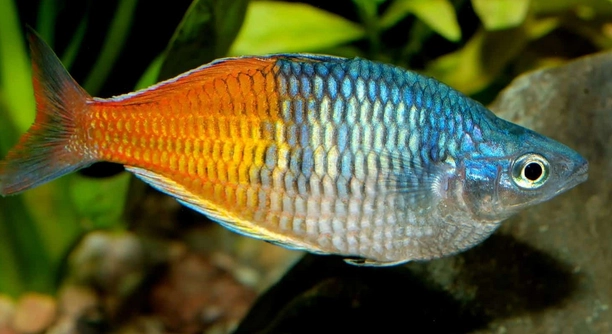
Rainbow fish are known for their vibrant colors and energetic swimming. However, at times, they may suddenly stop swimming, which can be concerning for their owners. This behavior often signals an underlying issue.
There are several reasons why rainbow fish might stop swimming, including water quality problems, illness, stress, or improper tank conditions. Poor water parameters such as temperature, pH, and ammonia levels can impact their health and behavior.
Identifying the root cause of this behavior is crucial for restoring your fish’s health. Understanding how to address potential issues will help ensure your rainbow fish remains happy and active.
Common Causes for Rainbow Fish Stopping Swimming
When your rainbow fish suddenly stops swimming, it’s often a sign of discomfort or health issues. One of the first things to check is the water quality. Fish are sensitive to even small changes in water parameters, and fluctuations in temperature, pH, or ammonia levels can cause them to stop swimming. Poor water conditions can stress fish, making them sluggish or even causing them to hide.
Another potential cause is stress. This could come from a variety of factors, such as a new tank mate, changes in the tank environment, or even loud noises around the aquarium. Rainbow fish, like other species, prefer a stable and calm environment.
Additionally, diseases or parasites can contribute to a lack of activity in rainbow fish. If the fish shows signs of abnormal behavior, such as rubbing against objects, it’s important to assess for possible infections. Treatment will depend on the nature of the issue.
Identifying Water Quality Issues
Poor water quality is a common reason for changes in behavior. It is essential to monitor the tank regularly and ensure the water is clean and well-balanced.
Testing the water regularly for ammonia, nitrate, and nitrite levels can help prevent these issues. Proper filtration is important for maintaining these water parameters. A sudden rise in harmful substances can negatively impact your fish’s health. Be sure to change the water frequently to keep everything in check.
When testing the water, also keep in mind the ideal temperature for rainbow fish. They thrive in temperatures between 74°F and 80°F. Even slight drops or increases can cause them to become lethargic or stop swimming.
Ensuring these aspects of the environment are met will reduce the chances of your rainbow fish stopping swimming.
Stress and Environmental Changes
Stress can have a major impact on rainbow fish, causing them to stop swimming. A sudden change in their environment, like moving to a new tank or adding new tank mates, can trigger this. Fish are creatures of habit, and even small disturbances can affect their behavior.
Sometimes, rainbow fish stop swimming due to overcrowding. If there are too many fish in the tank, they may feel trapped or stressed. A tank with adequate space allows them to move freely and feel safe. Also, making sure there are enough hiding spots can help reduce stress.
If rainbow fish feel threatened, they may retreat to a corner or hide among plants. It’s important to provide enough space and visual barriers to ensure your fish’s comfort. When their environment feels secure, they are more likely to remain active.
Illness or Infection
Illness is another reason why rainbow fish might suddenly stop swimming. Parasites, bacteria, and fungal infections can weaken them, causing lethargy or a lack of movement. If you notice your fish showing signs such as abnormal swimming patterns, cloudy eyes, or visible lesions, it’s time to act.
The first step is to quarantine the fish to prevent the spread of any infection. Some common illnesses in aquarium fish include fin rot, swim bladder disease, and internal parasites. Each condition requires a different treatment approach, so identifying the illness early is key to a quick recovery.
Maintaining a clean tank and ensuring your fish are fed properly can prevent many of these health issues. If you notice any signs of illness, acting quickly can make a big difference in your fish’s recovery.
Tank Maintenance and Filtration
A well-maintained tank is crucial for your rainbow fish’s health. A dirty tank can lead to poor water quality, which stresses the fish and may cause them to stop swimming. Regular cleaning helps remove waste and prevent harmful bacteria buildup.
Make sure your tank filter is functioning properly. It should be strong enough to handle the size of your tank and the number of fish. A weak filter won’t remove debris efficiently, and water quality will suffer. Clean the filter regularly to avoid clogging, but don’t over-clean it, as some beneficial bacteria need time to grow.
Diet and Feeding
Rainbow fish require a balanced diet to stay healthy. Poor nutrition can lead to lethargy or illness, causing them to stop swimming. Offering a variety of high-quality food ensures they get all the nutrients they need.
Overfeeding is another issue. Leftover food can pollute the water, leading to poor water quality, which stresses the fish. Feed your rainbow fish only what they can consume in a few minutes to avoid overfeeding.
Water Temperature
Rainbow fish are sensitive to temperature changes, which can impact their behavior. Keeping the water within the ideal range of 74°F to 80°F helps maintain their energy levels. If the temperature drops too low or rises too high, they may become inactive.
Ensure your heater is working properly and monitor the water temperature regularly. Use a thermometer to avoid temperature fluctuations, which can stress the fish. If the temperature changes rapidly, it can shock their system, causing them to stop swimming or become sluggish.
FAQ
Why did my rainbow fish stop swimming?
Rainbow fish can stop swimming for several reasons. Poor water quality, including incorrect pH, ammonia, or nitrate levels, is often a primary cause. If the fish is stressed, perhaps due to environmental changes like new tank mates or overcrowding, they may also become inactive. Illnesses or infections like parasites or swim bladder disease can also contribute to lethargy. It’s important to check water parameters, observe for any signs of illness, and ensure the tank environment is stable and comfortable.
What is the ideal water temperature for rainbow fish?
Rainbow fish thrive in water temperatures between 74°F and 80°F. Keeping the temperature within this range ensures they remain active and healthy. Temperatures outside this range, especially those that fluctuate quickly, can cause stress and lead to inactivity or illness. Using a reliable aquarium heater and thermometer will help maintain a consistent temperature in the tank.
How often should I clean my rainbow fish’s tank?
Cleaning your tank is essential for maintaining water quality. Perform partial water changes of 10-20% every week to remove toxins and waste. Clean the filter every 4-6 weeks, but be cautious not to remove too many beneficial bacteria. It’s also helpful to vacuum the substrate during water changes to remove debris and uneaten food.
Can rainbow fish stop swimming because of stress?
Yes, stress is a significant factor that can cause rainbow fish to stop swimming. Stress can come from various sources, such as overcrowding, territorial disputes, abrupt changes in the environment, or loud noises near the tank. Creating a peaceful and stable environment with plenty of hiding spots and space for the fish can help reduce stress and keep them active.
What should I do if my rainbow fish is sick?
If your rainbow fish shows signs of illness, such as abnormal swimming, loss of appetite, or visible lesions, it’s essential to quarantine the affected fish to prevent the spread of disease. Identify the symptoms to diagnose the problem—common issues include parasites, bacterial infections, or fungal growth. Depending on the condition, treatments may vary, from medicated food to water additives or anti-parasitic medications. Consult with an aquarium specialist for the best treatment options.
Is it normal for rainbow fish to stop swimming when they are asleep?
Rainbow fish, like many other fish species, do rest. They do not sleep in the same way humans do but enter a resting state where their activity levels decrease. During this time, they may stop swimming and remain still, typically near the tank’s bottom or in a secluded area. As long as they resume swimming and eating when they are awake, this is perfectly normal.
Can water hardness affect rainbow fish?
Yes, water hardness can impact rainbow fish. These fish prefer soft to moderately hard water, with a hardness level between 4-10 dGH. If the water is too hard or too soft, it can affect their overall health, causing stress and making them more prone to diseases. Regularly check the water hardness and adjust it using appropriate water treatments if necessary.
How can I tell if my rainbow fish is stressed?
Signs of stress in rainbow fish include erratic swimming patterns, hiding frequently, loss of appetite, and faded or dull coloration. They may also display aggressive behavior toward other tank mates or appear lethargic. If any of these signs are present, check the tank’s water quality, temperature, and tank mates to identify and eliminate stressors.
Can rainbow fish eat too much?
Yes, overfeeding rainbow fish can lead to several issues, including obesity, poor water quality, and even lethargy. It’s important to feed them only what they can consume in a few minutes, twice a day. Remove any uneaten food promptly to prevent it from decaying and polluting the water.
Why are my rainbow fish not eating?
If your rainbow fish is not eating, it could be due to several factors. Poor water quality, stress, or illness are the most common causes. Check the water parameters to ensure they’re optimal, and observe for any signs of disease. If the issue persists, consider changing the food to a more enticing option or try feeding smaller amounts.
Do rainbow fish need a lot of space to swim?
Yes, rainbow fish need ample space to swim and thrive. Overcrowding can lead to stress, making them more likely to stop swimming or become sick. Ideally, you should provide at least 20 gallons of water for a small group of rainbow fish, with more space if you have more fish in the tank. They are active swimmers and need room to move freely.
How do I prevent rainbow fish from getting sick?
Preventing illness in rainbow fish starts with maintaining good water quality. Regular water changes, appropriate filtration, and water tests are essential for keeping the environment safe. Additionally, providing a balanced diet and avoiding overfeeding will strengthen your fish’s immune system. Ensure your fish are not stressed by providing a stable environment and compatible tank mates.
Can rainbow fish live with other types of fish?
Rainbow fish are generally peaceful and can live with other species, especially those that are similarly sized and non-aggressive. They get along well with most community fish, but avoid keeping them with very small or overly aggressive species. Always monitor their interactions when introducing new fish to the tank.
Final Thoughts
Rainbow fish are vibrant and active creatures, and it’s always concerning when they suddenly stop swimming. There are several reasons why this might happen, including stress, illness, or poor water quality. Understanding the potential causes and addressing them early can help your fish recover quickly and return to their lively behavior. Regular tank maintenance, proper feeding, and monitoring the water conditions can all prevent many common issues that lead to inactivity. It’s important to stay on top of these factors to ensure the long-term health of your fish.
Keeping rainbow fish in an environment that mimics their natural habitat is key to their well-being. This includes maintaining stable water parameters, ensuring adequate space, and providing plenty of hiding spots. Rainbow fish are sensitive to changes in temperature, water quality, and even sudden shifts in the environment. Stress caused by overcrowding, aggressive tank mates, or other environmental factors can easily lead to a lack of swimming activity. By creating a calm and well-maintained environment, you can prevent many of these issues from arising. Regular observation is essential to spot any early signs of stress or illness before they become more serious problems.
In summary, rainbow fish stopping their swimming behavior can be a sign that something is wrong. Whether it’s due to stress, illness, or water quality issues, addressing these factors promptly is crucial for the health of your fish. A clean, well-maintained tank with appropriate water conditions, regular feedings, and proper care can prevent many of these issues. Always monitor your fish for any changes in behavior and act quickly if you notice any signs of distress. By staying proactive, you can ensure your rainbow fish remain healthy and active in their home.

Hello,
If you enjoy the content that we create, please consider saying a "Thank You!" by leaving a tip.
Every little bit helps us continue crafting quality advice that supports the health, happiness, and well-being of pets around the world, for pets of all shapes, sizes, and species.
We really appreciate the kindness and support that you show us!