
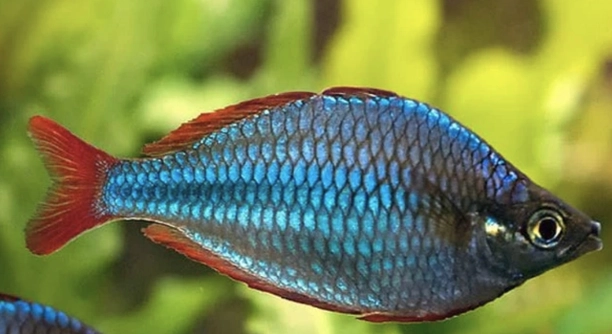
Rainbow fish are a popular choice for many aquarium enthusiasts. However, keeping them healthy can be challenging. Avoiding common mistakes when feeding them is essential for their well-being and vibrant colors.
Feeding rainbow fish requires careful attention to diet and portion sizes. Overfeeding or underfeeding can lead to health issues, such as obesity or malnutrition. It is crucial to provide a varied diet and feed them in appropriate amounts to ensure their longevity and vitality.
Proper feeding practices can improve the overall health of your rainbow fish. Understanding these common mistakes will help ensure a happy and thriving aquarium environment for them.
1. Overfeeding Rainbow Fish
Feeding rainbow fish too much food is a common issue. It may seem harmless, but overfeeding leads to water pollution and health problems. When food isn’t eaten, it decays and affects water quality, which can stress the fish. Additionally, the extra food causes the fish to become overweight. This, in turn, impacts their mobility and can lead to long-term health problems, such as poor organ function. In some cases, it may even shorten their lifespan. To avoid overfeeding, only offer as much food as they can eat in a few minutes. Monitoring how much food they consume daily is essential for maintaining their health.
When feeding, it’s crucial to observe your rainbow fish closely. If food is consistently left uneaten, adjust the portions. Smaller, more frequent feedings work better than one large feeding.
A good rule of thumb is to offer food in portions they can consume in 2-3 minutes. If they finish quickly, you can offer more in subsequent feedings, ensuring you meet their nutritional needs without going overboard.
2. Feeding the Wrong Type of Food
Choosing the right food for rainbow fish is vital for their health. Not all fish foods meet the dietary needs of rainbow fish. Their diet should include high-quality pellets, flakes, or frozen food that caters to their specific nutritional requirements. Feeding them food that’s not suitable for them can cause malnutrition or deficiencies. You should also avoid offering too many live foods, as this could lead to digestive issues. Look for food options that are specifically designed for rainbow fish or similar species. These products will have a balanced blend of proteins, vitamins, and other essential nutrients.
Rainbow fish thrive on variety, so ensure their meals include a mix of dry, frozen, and live food. A high-quality flake or pellet will make up most of their diet. You can supplement this with occasional live or frozen food like brine shrimp, daphnia, or bloodworms.
Feeding them a variety of food ensures they get all the nutrients needed for healthy growth. Avoid sticking to only one food type, as this can result in nutrient imbalances. A well-rounded diet keeps rainbow fish healthy and vibrant.
3. Inconsistent Feeding Schedule
An irregular feeding schedule can confuse rainbow fish and affect their health. Fish thrive on routine, and feeding them at the same time each day helps establish a rhythm. Without consistency, rainbow fish may become stressed or lose interest in their food. It also makes it harder to monitor their eating habits.
Establishing a regular feeding routine ensures that your fish receive their meals at the right time and in the correct amount. Skipping feedings or feeding them at varying times can disrupt their digestion, leading to problems like bloating or malnutrition.
A consistent feeding schedule helps you track how much they are eating. This is crucial for spotting health issues early. If you feed at the same time each day, you can monitor their appetite and make necessary adjustments more effectively.
4. Using Low-Quality Fish Food
Low-quality food can harm your rainbow fish in the long run. Cheap options often lack the necessary nutrients that fish need for proper growth. They may also contain artificial fillers, leading to poor digestion and possible health issues. High-quality food provides better nutrition and helps rainbow fish maintain their vibrant colors.
Choosing the best food is essential for their overall well-being. Look for products that list real protein sources like fish or shrimp first in the ingredients. Avoid products with a high amount of fillers like wheat or soy, which offer little nutritional value.
Investing in quality food can reduce health problems and improve the long-term condition of your fish. High-quality food will support their immune system and enhance their energy levels. Over time, this ensures that they remain healthy, active, and colorful.
5. Feeding Fish Too Often
Feeding rainbow fish too often can lead to digestive issues. Even though they enjoy food, offering it too frequently doesn’t give their bodies enough time to process and digest it properly. It can result in overfeeding and poor water quality.
Feeding your fish once or twice a day is generally enough. They are not likely to go hungry between meals, and they won’t overeat if portions are properly controlled. Overfeeding stresses the fish and can even lead to illnesses.
Consider the size of your fish when deciding how often to feed. Larger fish may require more frequent feedings, while smaller ones can thrive on fewer meals each day.
6. Not Varying Their Diet
Feeding the same food every day can create nutritional imbalances. Rainbow fish, like any other fish, need a balanced diet that includes a variety of food types to stay healthy. This ensures they get all the necessary vitamins, minerals, and proteins.
A varied diet may include high-quality flakes, pellets, live food, and frozen foods. Adding live foods like brine shrimp or bloodworms to their meals will offer essential nutrients that aren’t always present in processed foods. A variety keeps them interested in their meals while providing necessary nutrients for growth.
Variety also helps avoid nutritional deficiencies and promotes the vibrancy of their colors. Rainbow fish are more likely to thrive when they enjoy a range of food options that cater to their natural dietary needs.
7. Feeding Only Flakes or Pellets
Flakes and pellets are convenient, but feeding rainbow fish only these options can lead to an unbalanced diet. While they can be a good base, they should be supplemented with other foods. This ensures that your fish get a well-rounded meal.
FAQ
How much should I feed my rainbow fish?
Rainbow fish should be fed an amount they can consume in 2-3 minutes. Overfeeding leads to water pollution, while underfeeding may cause malnutrition. Start with small portions and adjust if needed. It’s essential to monitor their appetite regularly to avoid both overfeeding and underfeeding.
Can I feed my rainbow fish only flakes?
While flakes are convenient, feeding rainbow fish only flakes is not ideal. They need variety in their diet to get a balanced mix of nutrients. You should supplement flakes with other foods like frozen, live, or high-quality pellets to provide the necessary proteins and vitamins.
How often should I feed rainbow fish?
Rainbow fish should be fed once or twice a day, depending on their size and activity level. Younger, growing fish might need more frequent meals, while adults can thrive on fewer feedings. Avoid feeding them too often, as this can lead to digestive issues and water quality problems.
Can rainbow fish eat live food?
Yes, rainbow fish can eat live food, and it can be a great addition to their diet. Live foods like brine shrimp or daphnia provide essential proteins and nutrients that can’t always be found in processed foods. However, it should be offered in moderation to avoid digestive issues.
Is it okay to feed rainbow fish bloodworms?
Bloodworms are a suitable food for rainbow fish, as they provide protein and variety in their diet. However, they should not be the sole food. Like all live or frozen foods, bloodworms should be given in moderation. Too much can lead to unbalanced nutrition and digestive problems.
What is the best food for rainbow fish?
The best food for rainbow fish includes high-quality flakes, pellets, and frozen or live foods. Look for food products specifically designed for rainbow fish or other similar species. These foods provide the right balance of proteins, vitamins, and minerals needed for their health and vibrant colors.
How do I prevent my rainbow fish from getting overweight?
To prevent rainbow fish from becoming overweight, avoid overfeeding and stick to a regular feeding schedule. Feed them only what they can consume in a few minutes. Also, avoid giving them excessive amounts of high-fat foods. Make sure their diet includes a variety of nutrients to keep them healthy.
Should I feed rainbow fish at the same time each day?
Yes, feeding rainbow fish at the same time each day helps establish a routine. This ensures they get their meals on time and helps regulate their metabolism. Consistency is also important for monitoring their eating habits and adjusting their diet when necessary.
How can I tell if my rainbow fish are hungry?
Hungry rainbow fish will actively search for food. They may swim to the top or eagerly approach the feeding area. However, fish can also be trained to expect food at specific times. This can make it easier to tell when they are ready to eat.
Can I feed rainbow fish vegetables?
Rainbow fish are primarily carnivores, but they can eat certain vegetables. Offering small amounts of blanched vegetables like spinach or zucchini can provide additional nutrients. Vegetables should be given in moderation as part of a varied diet, not as a primary food source.
What are signs that I’m overfeeding my rainbow fish?
Signs of overfeeding include leftover food floating in the tank, water cloudiness, and fish that appear bloated or sluggish. If you notice these signs, you are likely overfeeding. Reducing portion sizes and sticking to a regular feeding schedule will help maintain water quality and fish health.
Can rainbow fish eat frozen food?
Frozen food is a great option for rainbow fish and provides them with variety. Options like frozen brine shrimp, daphnia, or bloodworms are excellent sources of protein and nutrients. Make sure the frozen food is thawed properly before feeding to avoid digestive issues.
How do I know if I’m feeding my rainbow fish the right amount?
The right amount of food is what your rainbow fish can consume in a few minutes. Monitor how much they eat at each feeding, and adjust portions as needed. If food consistently remains uneaten, you’re likely feeding too much. If they appear hungry afterward, increase the portions slightly.
What should I do if my rainbow fish are not eating?
If your rainbow fish are not eating, first check the water quality and temperature. Poor water conditions can lead to loss of appetite. Also, try offering different types of food to see if they prefer something else. If the issue persists, it could indicate a health problem, and you should consult an expert.
Can rainbow fish eat pellets?
Yes, pellets are an excellent food option for rainbow fish. They are often more nutritionally complete than flakes, offering better balance for your fish. Look for high-quality pellets designed for rainbow fish to ensure they receive all the essential nutrients for optimal health.
Are rainbow fish picky eaters?
Rainbow fish are generally not picky eaters. They will readily accept a variety of foods, including flakes, pellets, and live or frozen foods. However, they do require a balanced diet to stay healthy. It’s important to provide them with a mix of different foods to ensure they get all the necessary nutrients.
What happens if I feed rainbow fish the wrong food?
Feeding rainbow fish the wrong food can lead to malnutrition, digestive issues, and even disease. Incorrect foods may lack the proper balance of nutrients, and some could be harmful. Always choose high-quality food that meets the dietary needs of rainbow fish to keep them healthy and vibrant.
Can rainbow fish eat fruit?
Rainbow fish typically do not eat fruit. Their digestive systems are not suited for breaking down high-sugar, high-fiber foods like fruits. Sticking to protein-based foods like live or frozen offerings and high-quality pellets or flakes is the best option for their health.
Final Thoughts
Feeding rainbow fish properly is essential for their health and well-being. Ensuring they get a balanced diet helps maintain their vibrant colors and keeps them active. Providing the right amount of food, at the right time, is key. Overfeeding or underfeeding can both lead to problems like poor water quality or malnutrition. By offering a variety of food options such as flakes, pellets, and live or frozen foods, you can ensure they receive all the nutrients they need.
It’s also important to pay attention to water quality and monitor how much your fish are eating. Overfeeding is one of the most common mistakes that aquarium owners make, and it can result in excess food decomposing in the tank, causing water quality to deteriorate. Consistent feeding schedules and portions that your fish can finish within a few minutes help keep the tank clean and the fish healthy. If you notice any signs of illness or stress in your rainbow fish, it may be a good idea to review their diet and feeding routine to make sure you’re meeting their needs.
In the end, feeding rainbow fish isn’t just about giving them food—it’s about creating a healthy, balanced environment for them to thrive in. By taking the time to understand their dietary needs and habits, you can help them live longer, healthier lives. Keeping their diet varied and appropriate for their species, alongside good water management, will lead to happy, colorful fish. A little care in feeding can go a long way in making sure your rainbow fish remain vibrant and full of life.

Hello,
If you enjoy the content that we create, please consider saying a "Thank You!" by leaving a tip.
Every little bit helps us continue crafting quality advice that supports the health, happiness, and well-being of pets around the world, for pets of all shapes, sizes, and species.
We really appreciate the kindness and support that you show us!