
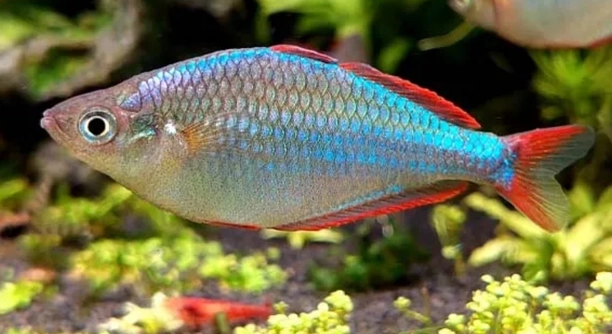
Rainbow fish are known for their vibrant colors and playful behavior. If you’ve ever had one as a pet, you may have noticed that they often stay close to the glass of their aquarium.
Rainbow fish typically stay close to the glass because they are naturally drawn to the movement and light near the surface. The reflection and activity near the tank’s edges may trigger curiosity or a sense of security, prompting them to stay in those areas.
This behavior has a deeper connection to their instincts and environmental factors. Understanding it can help you create a better environment for your fish and enhance their well-being.
Why Do Rainbow Fish Stick to the Glass?
Rainbow fish are naturally curious creatures. They are often seen swimming near the edges of the tank, especially close to the glass. This behavior is typically linked to their instincts. In the wild, fish tend to gravitate toward areas where light and movement are abundant. The aquarium glass often reflects the outside light, which can make it an attractive spot for them. The clear barrier also allows them to see the outside world, which might engage their curiosity.
They may also feel more secure near the glass because it provides them with a physical boundary. This sense of safety can encourage them to stay in these areas. In addition, the tank’s edges often hold the most oxygen-rich water, as the surface movement creates better water circulation. This makes it a prime area for fish looking to catch a breath. Keeping your fish tank’s water clean and oxygenated can encourage healthy movement throughout the aquarium.
Many aquariums have decorations or plants that draw fish toward certain areas. While the glass may seem like a fixed location, it’s actually part of a larger environment of movement and activity. Offering the right type of environment can help your rainbow fish feel comfortable and active.
Is It Just the Glass?
It isn’t just the glass that attracts rainbow fish. They often swim near any clear surface where they can observe activity, whether it’s the glass of the tank or even reflections on nearby objects. The fish may view these reflections as potential sources of food or other fish.
For your rainbow fish to thrive, consider adding more vertical space, as well as additional hiding spots and plants. These features will give the fish more room to explore while encouraging natural behaviors. A well-balanced aquarium environment will help your fish enjoy both the security of the glass and the excitement of the rest of the tank.
Glass and Light Reflection
The glass in your aquarium acts as a reflective surface that draws rainbow fish. They often swim close to the glass to explore the light reflections. The reflections can mimic the presence of food or other fish, making it a spot of interest.
Rainbow fish are drawn to areas with more light, as it increases their visibility and triggers their natural curiosity. The light reflecting off the glass mimics the effects of sunlight filtering through water in the wild. This makes them feel more at ease. In their natural environment, fish are accustomed to changes in light and shadow, so the glass becomes a familiar and stimulating area to explore.
Over time, rainbow fish may even associate the glass with safety, using it as a boundary. This can make the fish feel secure while they observe their surroundings. The behavior is part of their instinctual need to interact with their environment while maintaining a sense of comfort.
Factors Affecting Rainbow Fish Behavior
Rainbow fish behavior is influenced by various factors in their environment. Water quality, lighting, and temperature all play a role in how the fish interact with the tank. Keeping these conditions stable encourages healthy movement and reduces stress. Fish are more likely to stay near the glass if the water is clean and oxygenated properly.
Maintaining proper water circulation is essential as well. When the water is well-oxygenated, it creates a more comfortable environment for the fish. This can make the area near the glass feel more inviting, as they instinctively seek the best oxygenated areas. Clean water and consistent lighting help reduce stress, ensuring the fish feel more at ease in their tank.
An aquarium that mimics the conditions of a natural habitat encourages fish to exhibit behaviors like staying near the glass. A well-maintained environment can make the fish more active and engaged. When everything is balanced, rainbow fish may move around more freely, exploring the whole tank rather than staying in one spot.
Why Rainbow Fish Are Attracted to Movement
Rainbow fish are naturally curious about movement. The motion of water near the glass, caused by air bubbles or water flow, catches their attention. They often follow these movements, making the glass a focal point in their environment.
Water movement near the tank edges mimics currents that rainbow fish experience in the wild. The fish are drawn to the flow, as it simulates their natural habitat. This instinctual behavior helps them stay alert and engaged with their surroundings. The presence of movement near the glass, whether from equipment or external factors, encourages them to stay close to the tank edges.
Tank Set-Up and the Fish’s Behavior
The design of your tank affects how rainbow fish interact with their environment. They tend to stay near the glass if the tank lacks hiding places or if the water flow is concentrated near the edges. Providing plants and decorations can help encourage fish to explore more areas.
If the tank has limited decorations, rainbow fish will often remain near the glass, where they feel more comfortable. Adding plants and other structures in the middle of the tank can create a more engaging environment. This gives the fish the option to roam freely while still feeling secure in the presence of plants or hiding spots.
How Feeding Habits Impact Movement
Feeding routines influence where rainbow fish spend most of their time. They are likely to swim closer to the glass when food is introduced, as they anticipate the feeding process. The proximity to the glass during feeding can reinforce their tendency to stay near it throughout the day.
FAQ
Why do rainbow fish stay near the glass?
Rainbow fish often stay near the glass because they are naturally attracted to light and movement. The reflections on the glass mimic their natural environment, where they are accustomed to changes in light. They may also feel more secure near the glass, as it provides a clear boundary that helps them feel protected.
Can rainbow fish see through the glass?
Rainbow fish can see through the glass, but they likely perceive it differently than humans. The glass acts as a barrier between them and the outside world, but they can still observe reflections and changes in light. This visual stimulation can make them more likely to swim near the glass.
Is it bad for rainbow fish to stay near the glass all the time?
It’s not necessarily harmful for rainbow fish to stay near the glass, but if they remain there constantly, it might be a sign of stress or an environment that doesn’t fully meet their needs. If the water quality, temperature, or oxygen levels are not optimal, the fish might seek the glass for comfort. However, as long as the fish are active and healthy, this behavior is usually not a concern.
How can I encourage rainbow fish to explore other areas of the tank?
To encourage rainbow fish to explore more areas of the tank, add decorations, plants, and hiding spots. These provide places for the fish to swim through and explore. Ensure that water circulation is balanced throughout the tank so they don’t feel restricted to one area. A well-structured environment will make the entire tank feel like a safe and exciting space.
Do rainbow fish like bright lights?
Rainbow fish tend to enjoy bright lights, as they naturally live in environments where they are exposed to varying levels of sunlight. The light in the tank can attract them, especially if it mimics the natural light they would encounter in the wild. However, it’s important to provide a balance. Too much bright light can lead to stress or algae growth. Ensure your tank’s lighting mimics a natural day-night cycle.
Can the temperature of the tank affect rainbow fish behavior?
Yes, temperature plays a crucial role in rainbow fish behavior. They prefer stable, warm water, typically between 72°F and 80°F (22°C – 27°C). If the water temperature fluctuates too much or falls outside this range, the fish may become stressed or lethargic. Maintaining a steady, appropriate temperature helps keep them active and engaged with their environment.
Do rainbow fish need a lot of space to swim?
Rainbow fish are active swimmers and prefer tanks with ample space. While they can adapt to smaller aquariums, they do better in larger tanks where they have room to swim freely. A minimum tank size of 20 gallons is recommended for a small group of rainbow fish, and larger tanks are better for maintaining their health and well-being.
How do I know if my rainbow fish are stressed?
Signs of stress in rainbow fish include lethargy, loss of color, excessive hiding, or erratic swimming patterns. If your rainbow fish are spending most of their time near the glass and not moving around much, it could indicate stress. Check the water quality, temperature, and tank conditions to ensure they are not the cause of the stress.
Can rainbow fish live with other types of fish?
Rainbow fish are generally peaceful and do well with other non-aggressive species. They are social fish and thrive in groups, so it’s best to keep them with other species that have similar care requirements. Avoid aggressive fish that might cause stress, as this can affect their health and behavior.
How often should I feed my rainbow fish?
Rainbow fish should be fed small amounts 2-3 times per day. They have small stomachs and prefer to eat multiple times throughout the day rather than a large single meal. Offer a variety of foods such as flake food, pellets, and occasional live or frozen foods to ensure they get a balanced diet.
Can I keep rainbow fish with other species?
Yes, rainbow fish can generally coexist with many species, provided those species are not aggressive. Ideal tankmates include peaceful species like tetras, gouramis, and catfish. However, avoid keeping them with overly aggressive fish that may stress them or outcompete them for food.
What water conditions do rainbow fish prefer?
Rainbow fish prefer slightly acidic to neutral water, with a pH between 6.5 and 7.5. They thrive in soft to moderately hard water. Ensure the water is clean and well-filtered, with stable temperature and oxygen levels. Regular water changes help maintain a healthy environment.
Do rainbow fish need to be in schools?
Rainbow fish are social animals and do better in schools of at least 4-6 individuals. Keeping them in groups helps reduce stress and promotes natural behavior. They enjoy swimming together, and having a school allows them to feel secure and less threatened.
Can I keep rainbow fish in a smaller tank?
While rainbow fish can survive in smaller tanks, they do best in larger aquariums where they have room to swim. A 20-gallon tank is the minimum for a small group, but larger tanks are always better for their long-term health. Smaller tanks may lead to stress and stunted growth.
Do rainbow fish need a filter?
Yes, a filter is essential for maintaining good water quality in your rainbow fish tank. A filter helps remove waste and toxins, ensuring the water remains clean and oxygenated. Rainbow fish are sensitive to poor water conditions, so a filter is vital for their well-being.
Final Thoughts
Rainbow fish are fascinating creatures that display unique behaviors, especially when they stay near the glass. This behavior can be attributed to several factors, including their natural instincts and the tank’s setup. They are often drawn to the movement and light reflected on the glass, which can mimic their natural environment. Understanding these behaviors is crucial for creating an ideal habitat for them, ensuring they feel secure and active in their environment.
To improve the experience for rainbow fish, it’s important to focus on the tank’s structure and water conditions. A tank with adequate space, plants, and hiding spots can encourage them to explore different areas. Additionally, maintaining stable water quality, temperature, and appropriate light levels will keep your rainbow fish healthy and reduce unnecessary stress. Their behavior near the glass is often a sign that they are seeking interaction with their surroundings, but it should not be the only aspect of their environment that catches their attention.
Ultimately, observing rainbow fish is an enjoyable experience, but it’s essential to address any signs of stress they may exhibit. A healthy and stimulating environment will promote natural behaviors and prevent them from staying near the glass out of discomfort. By taking care of their needs and making adjustments to the tank, you will ensure that rainbow fish thrive and remain active throughout their life.

Hello,
If you enjoy the content that we create, please consider saying a "Thank You!" by leaving a tip.
Every little bit helps us continue crafting quality advice that supports the health, happiness, and well-being of pets around the world, for pets of all shapes, sizes, and species.
We really appreciate the kindness and support that you show us!