
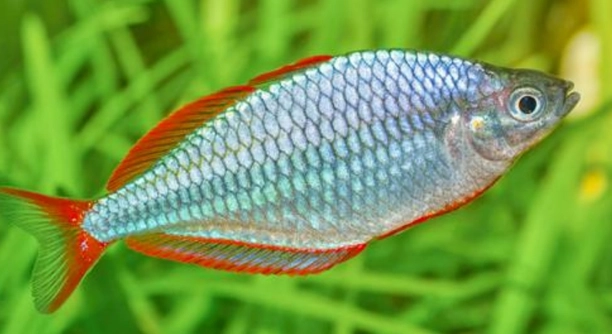
Rainbow fish are known for their colorful appearance and lively nature. Keeping these fish in groups can sometimes raise questions about their social habits. Understanding how rainbow fish interact with each other can help improve their care and environment.
Rainbow fish, particularly species like the Melanotaenia, tend to do better in schools and form social groups. These fish are naturally inclined to swim in groups, which helps them feel safe and reduces stress.
Learning more about their social behaviors can help you create a healthy environment for your fish. These insights may improve your aquarium’s atmosphere and ensure their happiness.
Social Behavior of Rainbow Fish
Rainbow fish are naturally social creatures and are known to form strong bonds with their group. They thrive when kept in schools, where they feel more secure and less likely to experience stress. In the wild, these fish often swim together in tight-knit groups, helping to protect each other from predators. Keeping them in groups in your aquarium mimics their natural behavior, making them healthier and happier. It also allows them to exhibit their natural instincts, like schooling and interacting with one another, which can be very enjoyable to watch.
Fish that are kept alone or in very small numbers may exhibit stress behaviors, such as hiding or being more aggressive. This is why it’s always recommended to keep rainbow fish in groups of at least six or more. When kept in larger schools, they are less likely to feel threatened and more likely to show their vibrant colors and active behaviors.
Providing a school environment not only keeps your rainbow fish active but also promotes better overall health. With enough company, they will feel comfortable swimming and interacting with each other, contributing to a balanced and harmonious tank.
Importance of Schooling
Rainbow fish need the company of other rainbow fish to thrive in a tank. They can become stressed if isolated.
By maintaining a group, you ensure they have the social interaction they need. Rainbow fish interact with each other through gentle chasing and swimming in unison. This group behavior keeps them energized and engaged. Without this interaction, they may seem withdrawn, even exhibiting signs of stress like hiding or lethargy. The school setting brings out their most vibrant colors and energetic personalities. Additionally, keeping multiple fish can help prevent aggressive behavior, which sometimes occurs if they feel threatened or lonely. It’s clear that the presence of others plays a crucial role in the well-being of rainbow fish.
Group Size and Health
Rainbow fish feel safest in groups of six or more. Keeping them in a small group may not give them the security they need, leading to stress. A larger school provides comfort and encourages natural behavior. A happy fish is an active fish, and a school encourages that.
When rainbow fish are kept in a group, they can show their full potential. A bigger school allows them to socialize more freely, reduce stress, and move around without feeling cramped. This also keeps them more active, ensuring they don’t become lethargic or overly aggressive. A proper school size also mimics their natural habitat, where they have the company of other fish for safety.
A well-balanced group size leads to healthier fish. The rainbow fish will have enough space to explore their tank without being overwhelmed. Too few fish can leave them feeling isolated and vulnerable. Keeping them in a comfortable group promotes long-term health and prevents issues like fin damage, aggression, or illness.
Benefits of a School Environment
A school environment makes rainbow fish feel safe. With others around, they are more likely to swim freely.
A group dynamic allows rainbow fish to interact with each other in positive ways. They often swim together, which is not just about company but about safety. In their natural habitat, these fish school together to avoid predators. By mimicking this in your tank, they will have a stress-free environment where they feel protected. It also allows them to exhibit their natural social behavior, which can be quite entertaining to watch. Regular schooling leads to a more peaceful aquarium, as it reduces competition for space and resources.
Natural Instincts and Behavior
Rainbow fish naturally school to protect themselves. When kept alone, they may feel vulnerable, leading to stress. Being in a group helps them feel safe and encourages natural behaviors like chasing and playing. This social activity is key to their overall well-being.
The social nature of rainbow fish is crucial for their mental health. By having others around, they engage in activities that reduce anxiety and keep them active. The lack of a group can cause them to become more reserved and inactive, which is detrimental to their health. A group offers stimulation and comfort.
Tank Size and Space
Rainbow fish do best when they have enough space to swim freely. A cramped environment can increase stress. Ensuring your tank has ample swimming room is essential for a healthy school.
Having a spacious tank helps reduce territorial behavior and promotes better social interactions. It also minimizes the chances of overcrowding, which can cause stress and aggression. Fish that have room to swim around comfortably are happier, more active, and less likely to fight with each other. This balance in space can make a huge difference in maintaining a harmonious environment.
FAQ
Do rainbow fish need to be in groups?
Yes, rainbow fish do best when kept in groups. They are social creatures by nature and feel much safer and more comfortable when surrounded by others. In the wild, they naturally form schools to protect themselves from predators. Keeping them in groups of at least six helps reduce stress, promotes natural behaviors like schooling and socializing, and ensures they feel secure. Fish that are isolated can exhibit signs of stress such as hiding, reduced activity, or aggressive behavior.
What happens if I keep a single rainbow fish?
Keeping a single rainbow fish can cause it to feel stressed and lonely. These fish are accustomed to being part of a group, and being isolated can negatively impact their behavior. A single fish may hide more often, swim aimlessly, or show aggression. Additionally, without the presence of others, it may not display its full vibrant colors. If you’re unable to house a group, it’s best to reconsider keeping rainbow fish or provide them with similar species that can coexist with them.
How many rainbow fish should I have in a tank?
The minimum recommended number of rainbow fish is six, but more is better if space allows. A group of six helps reduce the risk of stress and promotes social interaction. With larger groups, the fish feel safer and are more likely to show active and playful behavior. It’s important to keep in mind that the size of your tank also plays a role in how many fish you can comfortably house. Overcrowding can cause stress, so ensure there’s enough space for the group to swim freely.
What size tank do rainbow fish need?
Rainbow fish require a minimum tank size of 30 gallons for a small group. A larger tank, such as 50 gallons or more, is ideal for a bigger school, as it provides more space for the fish to swim and interact. Adequate space is essential to avoid stress and territorial behavior. In cramped tanks, the fish may feel restricted, which can lead to health issues or aggression. If you plan to keep a larger group, be sure your tank can accommodate them with plenty of swimming room.
Can rainbow fish live with other species?
Yes, rainbow fish are generally peaceful and can live with many other species. They do well in community tanks, provided their tank mates are not aggressive or overly territorial. Good companions for rainbow fish include other peaceful fish like tetras, rasboras, and gouramis. However, it’s essential to avoid keeping them with overly large or aggressive fish that might intimidate or harm them. Additionally, ensure all species in the tank have similar water temperature and pH requirements to maintain a harmonious environment.
What should I feed rainbow fish?
Rainbow fish are omnivores and enjoy a varied diet. Their diet should consist of high-quality flake food, pellets, and occasional live or frozen food like brine shrimp or bloodworms. Offering a mixture of plant-based and protein-rich foods helps to keep them healthy. They are also known to nibble on algae, so you can include algae wafers or provide live plants in the tank for natural grazing. Be sure to feed them small amounts throughout the day to avoid overfeeding, which can lead to water quality issues.
Do rainbow fish need a specific type of water?
Rainbow fish prefer slightly acidic to neutral water with a pH of 6.5 to 7.5. They also thrive in warm water, typically between 74°F and 80°F (23°C–27°C). It’s important to maintain stable water conditions with regular water changes to keep your fish healthy. Like all fish, rainbow fish are sensitive to poor water quality, so regular filtration and monitoring of ammonia, nitrate, and nitrite levels are necessary. Additionally, they prefer soft to moderately hard water, so adjust accordingly based on your local water conditions.
Are rainbow fish easy to care for?
Rainbow fish are relatively easy to care for, especially if you provide them with a suitable environment. They are hardy and can adapt to a range of water conditions, but they still need proper tank maintenance, good water quality, and a balanced diet. They are also peaceful fish, making them suitable for beginners and experienced fish keepers alike. However, like all fish, they will thrive better in the right environment with a proper group size and adequate space to swim.
How do I know if my rainbow fish are stressed?
Stressed rainbow fish may display signs such as hiding, swimming aimlessly, or rubbing against objects in the tank. They may also stop eating or show less interest in interacting with others. Additionally, stressed fish may become more aggressive toward tank mates or show signs of fin damage. If your fish appear stressed, check the water quality, ensure they have enough space, and evaluate their tank mates to rule out conflicts. Addressing any issues promptly can help reduce stress and improve their overall health.
Final Thoughts
Rainbow fish are social creatures that thrive in groups, and keeping them in a school helps maintain their well-being. They are peaceful and enjoy interacting with other fish, which helps reduce stress and promote natural behaviors. A group of at least six fish is recommended to ensure they feel secure and can display their vibrant colors and active personalities. Having a school of rainbow fish in your tank can create a lively and visually stunning aquarium, with the fish swimming together in harmony. This social dynamic is essential for their mental and physical health.
While rainbow fish are relatively easy to care for, they do need specific conditions to flourish. A well-sized tank with enough space for the group to swim freely is crucial. A tank size of at least 30 gallons is necessary for a small group, with larger tanks being more ideal for bigger schools. Providing good water quality, maintaining a stable temperature, and feeding a balanced diet will also support their health. Rainbow fish are adaptable to various water conditions, but keeping the pH level and temperature within their preferred range is important. Regular water changes and proper filtration will help keep the environment clean and stress-free for the fish.
Choosing the right tank mates for your rainbow fish is also an important consideration. While they are peaceful, rainbow fish do best with other non-aggressive species. It’s important to avoid aggressive or overly large fish that may intimidate or harm them. A peaceful community tank can create a harmonious environment where all the fish coexist and interact without issues. By understanding their needs and providing the proper care, rainbow fish can thrive and add beauty to your aquarium for years to come.

Hello,
If you enjoy the content that we create, please consider saying a "Thank You!" by leaving a tip.
Every little bit helps us continue crafting quality advice that supports the health, happiness, and well-being of pets around the world, for pets of all shapes, sizes, and species.
We really appreciate the kindness and support that you show us!