
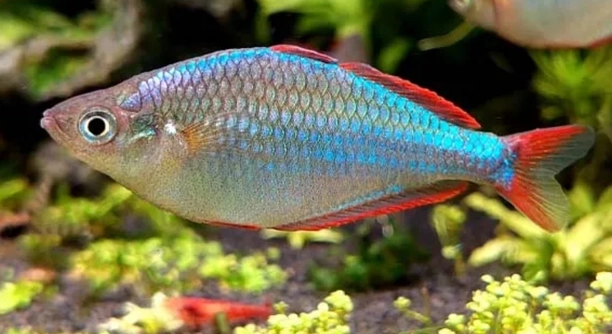
Rainbow fish are popular aquarium pets, known for their vibrant colors and peaceful nature. However, changes in their behavior and posture can indicate stress. It’s important to recognize these signs to ensure their well-being.
Posture changes in rainbow fish often signal stress. Common signs include flattened fins, rapid swimming, and abnormal body positioning. These changes may result from environmental factors, tank conditions, or health issues, and should be addressed promptly to prevent further harm.
Understanding these behaviors can help improve your fish’s environment and health. Monitoring for posture changes can allow you to spot stress early and take the necessary steps to support your rainbow fish’s well-being.
Flattened Fins: A Sign of Discomfort
Rainbow fish naturally display their fins in an elegant, relaxed position. When they feel stressed, these fins can flatten against their bodies. Flattened fins are often an indication of anxiety or discomfort. This can be due to changes in water quality, overcrowding, or incompatible tank mates. Stress can also arise from sudden movements or noise outside the tank, which makes the fish feel threatened.
A stressed rainbow fish may swim in an erratic or defensive manner, keeping its body close to the tank’s surface. This behavior is usually accompanied by reduced social interaction with other fish. If you notice your fish with its fins tightly pressed against its body, consider checking the water conditions and ensuring there are no aggressive tankmates.
If the stress is caused by water conditions, addressing the temperature, pH, and cleanliness can often improve the situation. Taking steps to reduce stress can help your fish regain its normal, relaxed posture and reduce the risk of illness. Keeping the tank environment stable will keep your rainbow fish happy and healthy.
Rapid Swimming: A Sign of Stress
Sometimes, when rainbow fish are stressed, they swim quickly around the tank.
This fast movement often signals discomfort or fear. It can be triggered by sudden changes in water conditions or by other aggressive fish in the tank. Stress from these factors causes rainbow fish to swim aimlessly, which is not normal for them. Maintaining stable tank conditions and monitoring tankmates is essential.
Abnormal Body Positioning: A Distress Signal
Rainbow fish may adopt an unusual body posture when stressed, such as tilting or staying in one spot.
When rainbow fish experience stress, they may hover near the tank’s bottom or position themselves awkwardly. This is often due to poor water quality or a lack of oxygen. If their gills aren’t functioning well, they may try to stay still to conserve energy. This unusual positioning can indicate that something in the environment needs attention.
Poor water conditions, such as high ammonia or nitrate levels, can cause this behavior. It is essential to monitor these factors closely to prevent further stress and ensure that your rainbow fish feel safe in their surroundings. Additionally, check for signs of illness, such as discoloration or sluggishness, which can also be linked to poor water conditions.
Aggressive Behavior: A Response to Stress
Stress can lead rainbow fish to act aggressively toward other fish in the tank.
When rainbow fish feel threatened, they may become territorial, nipping at tankmates or chasing them away. This behavior is usually triggered by overcrowding, poor water quality, or incompatible tankmates. If aggression is present, it’s crucial to re-evaluate the tank’s setup and make adjustments to create a calmer environment.
Aggression often becomes more pronounced during feeding time or when there are signs of overcrowding. By ensuring that there is enough space in the tank and reducing the number of fish, you can help reduce tension. Adding more hiding places can also give the rainbow fish a sense of security, which can lead to a more peaceful tank environment.
Clamped Fins: A Clear Indicator of Stress
When rainbow fish clamp their fins tightly against their bodies, it signals stress.
Clamped fins are a common sign that something isn’t right. Stress can be caused by poor water quality, aggressive tankmates, or sudden changes in the environment. If the fish’s fins remain clamped for extended periods, it’s important to check the water parameters and assess the tank’s overall health.
Erratic Swimming Patterns: Stress on Display
Erratic swimming patterns are another red flag that your rainbow fish might be stressed.
If your fish starts swimming in circles or darting rapidly, it’s a sign that something is causing discomfort. Stress can arise from environmental changes, poor water conditions, or even boredom. This behavior indicates a need to address the situation promptly to prevent further harm.
Pale or Faded Colors: A Sign of Illness or Stress
Stress can lead to color fading, making your rainbow fish appear dull or pale.
A stressed fish may lose its vibrant colors due to poor water quality or illness. This fading can be a sign that the fish is struggling to adjust to its environment. Keeping the tank clean and stable is key to maintaining healthy, vibrant fish.
FAQ
What causes rainbow fish stress?
Rainbow fish can experience stress from various sources, including poor water quality, overcrowding, aggressive tankmates, or sudden environmental changes. They are sensitive to shifts in temperature, pH, and oxygen levels, which can make them more vulnerable to stress. Additionally, loud noises or excessive movement near the tank can also contribute to stress. Ensuring stable tank conditions and minimizing disturbances will help keep your rainbow fish calm.
How can I tell if my rainbow fish is stressed?
Signs of stress in rainbow fish include flattened or clamped fins, rapid swimming, erratic movements, abnormal body positioning, and pale or faded colors. They may also become more aggressive towards other tankmates or display a lack of interest in feeding. Observing these behaviors can help you quickly identify when your fish is under stress.
What should I do if my rainbow fish has clamped fins?
If your rainbow fish has clamped fins, the first step is to check the water quality. High levels of ammonia, nitrites, or nitrates can stress fish, so it’s essential to ensure the water is properly filtered and well-maintained. Check the temperature, pH, and oxygen levels, and make adjustments as necessary. If water quality is good, assess whether there are aggressive tankmates or if the fish is being disturbed by external factors. Providing hiding places and reducing stressors in the environment can help your fish feel more secure.
Can stress lead to illness in rainbow fish?
Yes, prolonged stress can weaken a rainbow fish’s immune system, making them more susceptible to diseases and infections. Stress reduces their ability to fight off bacteria, parasites, or other harmful agents in the tank. It’s important to address the cause of the stress as soon as possible to prevent potential health issues from developing. Maintaining a stable, healthy tank environment is crucial for preventing stress-induced illnesses.
How do I reduce stress in my rainbow fish tank?
Reducing stress in your rainbow fish tank starts with ensuring the water is clean, properly filtered, and free of harmful chemicals. Regular water changes, proper filtration, and avoiding overfeeding are key practices. It’s also important to avoid overcrowding and ensure that tankmates are compatible. Providing plenty of plants, rocks, or hiding spaces can give the fish a sense of security. Additionally, minimize sudden changes in the tank environment, such as fluctuations in temperature or light intensity.
What are some common stress symptoms in rainbow fish?
Common stress symptoms in rainbow fish include flattened or clamped fins, erratic swimming, darting in circles, pale or faded coloration, and aggressive behavior. They may also exhibit signs of lethargy, reduced appetite, or abnormal body positioning, such as staying at the bottom of the tank or hovering near the surface. These behaviors indicate that something is wrong in their environment and should be addressed immediately.
Why is my rainbow fish swimming rapidly?
Rapid swimming can be a sign that your rainbow fish is feeling stressed or anxious. This behavior is often caused by poor water conditions, lack of space, or an incompatible tank environment. It’s essential to check the water quality and ensure the tank is not overcrowded. If the swimming is accompanied by other signs of stress, like clamped fins or aggression, consider re-evaluating the tank’s setup and making necessary adjustments.
What is the ideal tank environment for rainbow fish?
Rainbow fish thrive in a tank with stable water conditions. They prefer a temperature range between 72°F and 78°F (22°C to 25°C) and a pH between 6.5 and 7.5. They also require clean, well-filtered water with low levels of ammonia, nitrites, and nitrates. A tank with plenty of plants and hiding spots can reduce stress, as it gives the fish places to retreat. Make sure the tank is not overcrowded and that tankmates are peaceful and compatible.
How do I know if my rainbow fish is healthy?
A healthy rainbow fish will have vibrant, shiny colors, active swimming patterns, and relaxed fins. They will interact with their tankmates, eat regularly, and maintain good posture. If your fish displays none of the common stress signs, such as clamped fins, faded colors, or erratic swimming, it’s likely in good health. Regular observation and maintenance of water quality are the best ways to keep your fish healthy.
Can rainbow fish live with other species?
Rainbow fish are generally peaceful and can live with many other species, provided they have compatible temperaments. Avoid keeping them with overly aggressive fish or species that may outcompete them for food. Smaller, peaceful species such as tetras, guppies, and other community fish typically make good tankmates. Always ensure the tank is large enough to accommodate all the fish comfortably and provide plenty of hiding spaces to reduce stress.
Final Thoughts
Rainbow fish are beautiful and peaceful creatures that make great additions to any aquarium. However, like all fish, they are sensitive to changes in their environment. Stress can significantly impact their health and well-being, leading to behavior changes and even illness. Understanding the signs of stress, such as flattened fins, erratic swimming, and abnormal body positioning, is essential for any rainbow fish owner. By recognizing these signs early, you can address the issues causing the stress and create a healthier, more stable environment for your fish.
Maintaining good water quality is one of the most effective ways to reduce stress in rainbow fish. Regular water changes, proper filtration, and keeping an eye on ammonia, nitrite, and nitrate levels are essential. Additionally, providing a peaceful and well-balanced tank with plenty of hiding spots can help your fish feel secure. Avoiding overcrowding and ensuring your rainbow fish have compatible tankmates will also contribute to a calm atmosphere. Keeping the water temperature and pH levels stable will go a long way in preventing stress and keeping your rainbow fish healthy.
It’s important to remember that fish are sensitive to their surroundings. A little bit of attention and care can make a big difference in how they behave and feel. By taking steps to reduce stress, you can help ensure your rainbow fish live a long, healthy life in your tank. Keep an eye on their behavior and environment, and don’t hesitate to make changes if necessary. Happy, healthy fish are a reflection of a well-maintained tank, so put in the effort to create the best home for your rainbow fish.

Hello,
If you enjoy the content that we create, please consider saying a "Thank You!" by leaving a tip.
Every little bit helps us continue crafting quality advice that supports the health, happiness, and well-being of pets around the world, for pets of all shapes, sizes, and species.
We really appreciate the kindness and support that you show us!