
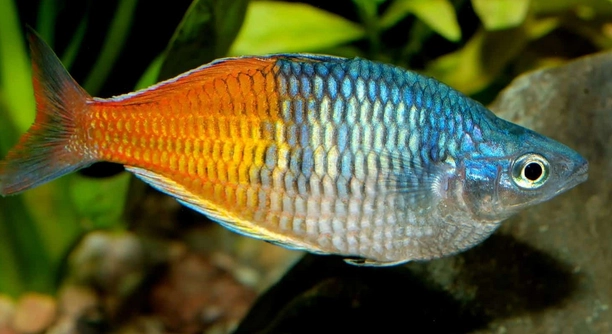
Rainbow fish are a popular choice for aquarium enthusiasts, admired for their vibrant colors and lively nature. Their behavior and reactions to different stimuli, such as camera flashes, often raise interesting questions. Understanding their response could enhance the experience of observing them.
Rainbow fish can react to camera flashes, though their responses may vary. These flashes can be startling, potentially causing stress or altering their behavior, but the extent of their reaction depends on factors like the intensity of the light and individual sensitivity.
This article will explore how rainbow fish respond to camera flashes and what it means for their wellbeing. Keep reading to learn how light affects their behavior and what you can do to minimize any potential stress.
How Do Rainbow Fish React to Camera Flashes?
Rainbow fish are sensitive to light changes in their environment, and camera flashes can be especially intense for them. When a camera flash goes off, the bright light can startle the fish, causing them to swim quickly or hide. This quick movement is often a natural response to sudden changes in their surroundings. In an aquarium, this can create stress for the fish, particularly if the flash is frequent. Over time, repeated exposure to flashes might make the fish more anxious, which could impact their health.
While it is unlikely that a single flash will cause significant harm, it’s important to consider the overall well-being of your fish when taking pictures. Using a more subtle approach to capturing photos, such as adjusting the camera settings to avoid a flash or using natural lighting, is a better option for their comfort.
Long-term exposure to bright flashes could also lead to the fish becoming wary of their surroundings. If the fish become stressed regularly, it may affect their feeding habits, behavior, or overall health.
Why Do Camera Flashes Affect Rainbow Fish?
The sensitivity of rainbow fish to sudden light changes is a result of their natural environment. In the wild, these fish are often exposed to varying light levels as they swim through water, but sudden, intense bursts of light can be perceived as a threat. Their eyes are designed to detect even small changes in light, which is essential for spotting predators or food.
This sensitivity means that a camera flash can disrupt their behavior in unexpected ways. The shock from the flash can cause the fish to swim erratically or hide in an attempt to escape perceived danger. Repeated exposure may even lead them to avoid certain areas in the aquarium, especially those where flashes tend to occur.
Because rainbow fish are not accustomed to sudden bright light sources in their habitat, they respond to flashes as a stressor. To avoid these stress reactions, many aquarium owners prefer using dim lighting or soft flashes while taking photos. It’s important to prioritize the fish’s comfort in these situations.
The Impact of Flash on Fish Health
Bright flashes of light can have a lasting impact on the overall health of rainbow fish. Though a single flash may not cause harm, repeated exposure can lead to increased stress levels. Chronic stress is known to weaken the immune system, leaving fish more vulnerable to illness and infections.
Fish that experience constant stress may exhibit changes in their behavior, such as reduced activity levels or even a loss of appetite. This can further lead to physical problems like poor coloration or slower growth. Over time, stress could even result in premature death. Monitoring your rainbow fish for signs of stress, like erratic swimming or hiding more often, is essential for maintaining their health.
To prevent this, limiting the use of camera flashes or using softer lighting can help avoid these negative effects. Using alternative methods, such as capturing pictures with no flash or natural light, reduces the likelihood of stress, allowing your fish to thrive in a healthier environment.
How to Minimize Stress When Photographing Rainbow Fish
There are several ways to minimize the impact of camera flashes on rainbow fish while still capturing beautiful pictures. One of the simplest methods is to avoid using a flash altogether. Instead, increase your camera’s ISO setting and use natural or aquarium lighting to capture images.
Another option is to adjust the camera settings to work without a flash, such as using a slower shutter speed or higher aperture to let in more light. By doing so, you can avoid startling your fish with harsh flashes while still achieving clear, vibrant images. This method also allows you to take pictures without causing discomfort to the fish, giving them a chance to swim freely and comfortably.
If flash is unavoidable, consider using a diffuser or a softer light source. This reduces the intensity of the light and prevents the flash from being too abrupt. Taking these simple steps can ensure your rainbow fish remain happy and stress-free while still allowing you to capture their beauty.
Observing Rainbow Fish Without Flash
Capturing the natural beauty of rainbow fish without using a flash is possible with the right techniques. One way to do this is by taking advantage of the aquarium’s existing lighting.
The soft, ambient light in your tank can reveal the vibrant colors of your fish without startling them. Adjusting the brightness of the tank light and using a higher ISO setting on your camera helps achieve clear photos. These adjustments allow you to take beautiful pictures that don’t disturb the fish, keeping them calm while still highlighting their natural beauty.
Fish Behavior Changes After Flash Exposure
Rainbow fish are not always quick to recover from the stress caused by a sudden flash. After experiencing a bright light, they might hide in darker corners or avoid areas where they feel exposed. This avoidance is a coping mechanism to deal with what they perceive as a threat.
Over time, this behavior may escalate, causing them to become more timid, even during regular interactions. Regularly exposing them to flashes could potentially alter their normal patterns, leading to reduced activity and increased stress, affecting their health and happiness.
How Flash Can Affect Breeding
When rainbow fish are under stress, it can also impact their breeding behaviors. Stress from constant flashes may cause disruption in their reproductive cycles. The stress hormone cortisol, which is released in response to pressure, can interfere with natural breeding cues.
This hormonal change can lead to irregular breeding patterns, with fish becoming less likely to reproduce successfully. Creating a calm environment is crucial for promoting healthy breeding. By limiting camera flashes, you give your fish a better chance at maintaining their natural behaviors, including reproduction.
FAQ
Can rainbow fish get used to camera flashes over time?
Rainbow fish, like many other species, can adapt to their environment, but they may not fully get used to camera flashes. Repeated exposure can lead to a higher tolerance, but that doesn’t mean it’s without consequence. Even if the fish seem less startled after multiple flashes, the stress could still build up over time. Continuous exposure might cause more permanent effects, like changes in behavior or a weakened immune system. To avoid this, it’s best to minimize the use of flashes and use gentler lighting options when photographing.
What are the signs that a rainbow fish is stressed by a flash?
A stressed rainbow fish may exhibit several signs, including erratic swimming, hiding more often, or avoiding certain areas of the tank. They may also appear less active or lose their appetite. If the flashes continue over time, their vibrant colors might fade as a result of prolonged stress. If you notice any of these changes, it’s a sign that the fish may be feeling uncomfortable or threatened by the camera flashes.
Can I use flash when taking pictures of my rainbow fish if I do it sparingly?
Using a flash sparingly can reduce the stress on your rainbow fish, but it’s still not ideal. Even occasional flashes can disrupt their natural behavior. If you must use a flash, try to limit it to very short bursts and only when necessary. However, adjusting your camera settings to avoid the use of a flash will always be the best option to ensure your fish remain calm and healthy. Using diffusers on the flash can also help minimize the intensity of the light.
How does a camera flash affect the long-term health of rainbow fish?
Long-term exposure to camera flashes can have several negative impacts on the health of rainbow fish. Stress caused by flashing lights can weaken their immune system, making them more susceptible to illness. Chronic stress may also lead to behavioral changes like reduced activity, appetite loss, or even aggression. Over time, these effects can reduce the lifespan of the fish. Minimizing flash exposure helps avoid these long-term consequences, allowing your fish to thrive in a calm environment.
Can I still get good photos without using a flash?
Yes, you can still capture great photos of your rainbow fish without using a flash. The key is to use natural or tank lighting. Adjust your camera’s ISO settings to make the most of the light available, and consider using slower shutter speeds or wider apertures to let in more light. A tripod can help avoid blurry images when using slower shutter speeds. Additionally, some aquarium lighting systems are designed to mimic natural light, which can make your fish look even better in photos without the need for a harsh flash.
Does light intensity in the aquarium impact how rainbow fish react to flashes?
Yes, the intensity of light in the aquarium does impact how rainbow fish respond to flashes. If the tank is very bright, the sudden addition of a flash might feel less threatening because it’s a similar environment to what they’re used to. However, if the tank is dim or the fish have adapted to lower lighting conditions, a flash can be very startling and cause stress. Keeping the lighting consistent and gentle in the tank will help minimize any negative reactions to flashes.
Are certain colors of rainbow fish more sensitive to flashes?
There isn’t much evidence to suggest that specific colors of rainbow fish are more sensitive to flashes. However, all fish, regardless of color, have similar visual systems and are likely to react to sudden light changes in a similar manner. Fish with more vibrant or reflective colors may appear more affected by the flash due to the intensity of the light on their scales, but this doesn’t necessarily mean they experience more stress. Every individual fish is unique, and their response can vary based on personality and past experiences.
What is the best way to photograph rainbow fish in an aquarium?
To photograph rainbow fish in an aquarium without causing stress, it’s best to use natural light or low-intensity lighting. If possible, photograph during the day when natural light from windows can help illuminate the tank. If you’re using artificial lighting, ensure it’s soft and non-intrusive. A gentle aquarium light that simulates natural sunlight is ideal. Adjust your camera’s settings to allow more light into the lens, thus avoiding the need for a flash. Patience is key when photographing fish—taking your time helps you capture their beauty without disrupting their behavior.
Can using a flash cause permanent damage to rainbow fish?
While it’s unlikely that a single flash will cause permanent damage, repeated exposure to camera flashes can have a lasting effect on rainbow fish. Over time, constant stress may weaken their immune system, making them more vulnerable to disease. Prolonged exposure could also interfere with their natural behaviors, such as eating or breeding. The best way to prevent any permanent damage is to avoid frequent flashes and adopt alternative photography techniques that don’t cause unnecessary stress.
Should I avoid photographing my rainbow fish altogether?
While it’s not necessary to avoid photographing your rainbow fish completely, it’s essential to take their well-being into account. Limit the use of flashes, avoid startling them, and try to photograph them during natural light hours or with aquarium lights designed to simulate sunlight. By respecting their comfort and behavior, you can still enjoy capturing their beauty without negatively impacting their health. Keep in mind that less is often more when it comes to taking pictures of your fish.
Final Thoughts
When it comes to photographing rainbow fish, understanding their sensitivity to light is key. These beautiful fish, with their vivid colors and lively behavior, can easily become startled by camera flashes. While occasional flashes might not cause immediate harm, frequent exposure to bright lights can lead to stress, which negatively impacts their health. Prolonged stress can weaken their immune system, reduce their activity levels, and even interfere with their feeding and breeding habits. Being mindful of how often and how intensely you use a flash is important for maintaining their well-being.
Using natural or tank lighting is a great alternative to avoid startling your fish. Adjusting your camera’s settings to capture clear images without a flash can help you take beautiful photos while minimizing stress for your rainbow fish. A simple increase in ISO sensitivity or using a slower shutter speed can make a significant difference in the quality of your photos, all while keeping the environment calm for your fish. Additionally, using soft lighting or a diffuser can help reduce the impact of a flash if it is absolutely necessary.
In the end, the well-being of your fish should always come first. Capturing their beauty in photos can be enjoyable, but it should not come at the cost of their health and comfort. By taking simple steps, like reducing flash exposure, using natural light, or adjusting camera settings, you can create a safe environment for your fish to thrive in. This way, you can enjoy observing and photographing them without causing any unnecessary stress. A balanced approach ensures that both you and your rainbow fish are happy and healthy.

Hello,
If you enjoy the content that we create, please consider saying a "Thank You!" by leaving a tip.
Every little bit helps us continue crafting quality advice that supports the health, happiness, and well-being of pets around the world, for pets of all shapes, sizes, and species.
We really appreciate the kindness and support that you show us!