
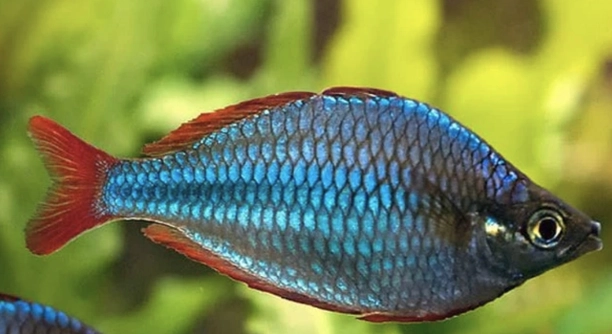
Rainbow fish are vibrant and lively, making them a popular choice for aquariums. However, their health can be affected by simple feeding mistakes. These small errors can impact their overall well-being and behavior.
Feeding rainbow fish too much or too little can lead to various health problems. Overfeeding causes water quality issues, while underfeeding results in poor growth and energy levels. Proper portion control and the right diet are essential for their health.
Understanding these feeding mistakes is crucial for ensuring your rainbow fish thrive.
Overfeeding Rainbow Fish
Overfeeding rainbow fish is a common mistake. It may seem like you are doing the right thing by giving them plenty of food, but this can quickly lead to issues. Excess food that isn’t eaten decays in the water, causing a rise in ammonia and nitrite levels. This can harm your fish and deteriorate water quality, leading to stress and illness. It is important to provide only what your fish can eat in a few minutes.
Too much food also causes bloating in the fish, affecting their digestion. Overfeeding rainbow fish regularly can lead to obesity, which weakens their immune system and makes them more susceptible to disease. This can shorten their lifespan and impact their activity levels.
To avoid overfeeding, it’s best to monitor their eating habits closely. Stick to small amounts of food, offering it in intervals. Ensure the fish are not left with uneaten food in the tank, as it will deteriorate and pollute the water. Proper portion control is essential to their long-term health.
Underfeeding Rainbow Fish
Underfeeding can be just as damaging as overfeeding. Rainbow fish need a balanced diet to maintain healthy growth and vibrant colors. Without enough food, they will become lethargic and may lose their color. A lack of nutrition can lead to weak immune systems, making them vulnerable to diseases.
Feeding rainbow fish the right amount is key to their well-being. Their diet should consist of high-quality flakes, pellets, and occasional live or frozen foods. Make sure to feed them two to three times a day, depending on their size and activity levels. However, keep the portions controlled to avoid leftover food in the tank.
If you notice your rainbow fish looking thin or sluggish, increase their feedings slightly, but avoid overcompensating. It’s essential to strike the right balance between feeding and maintaining water quality.
Poor Water Quality
Feeding rainbow fish in water with poor quality can lead to rapid deterioration in their health. Ammonia and nitrite buildup are particularly dangerous. Even if food portions are controlled, inadequate water conditions affect digestion and overall well-being.
Inadequate filtration or infrequent water changes can contribute to these issues. High levels of toxins can stress rainbow fish, making them more prone to infections. Over time, this weakens their immune systems. The food that remains uneaten in the tank further degrades the water quality, creating a cycle of problems.
To prevent this, establish a regular maintenance schedule for water changes and invest in a reliable filter. Monitor water parameters, such as pH, ammonia, and nitrite levels, to ensure they remain within safe ranges. Regular cleaning and proper filtration ensure the environment remains healthy, benefiting your fish in the long run.
Wrong Type of Food
Feeding your rainbow fish the wrong type of food can prevent them from getting the nutrients they need. A diet limited to only flakes or pellets can lack essential vitamins and minerals. This can cause nutritional deficiencies, impacting their growth and vibrant colors.
A varied diet is necessary for a balanced nutrition profile. Include live or frozen foods such as brine shrimp, daphnia, and bloodworms. These provide protein, essential fats, and micronutrients that dry foods often lack. A mix of food types ensures your rainbow fish stay healthy and active.
It’s also important to match the food to the size of the fish. Small rainbow fish may struggle with large food particles. Adjust food types and sizes accordingly to meet their individual needs. Keeping variety in their diet boosts their immune system and promotes overall vitality.
Inconsistent Feeding Schedule
Rainbow fish need a consistent feeding schedule to thrive. Irregular feeding can confuse their digestive systems and disrupt their natural feeding behavior. It’s important to feed them at the same times each day to create a routine.
Inconsistent feeding can also lead to overfeeding or underfeeding. If fish are not fed regularly, they may become overly hungry when food is finally provided, causing them to eat too quickly. This can lead to bloating or digestive issues. Maintaining a set feeding schedule helps establish a stable routine for your fish and ensures they are fed appropriately.
Feeding Too Much Live Food
While live food is an excellent protein source, it can cause problems if fed too often. Live foods are rich in fats and can lead to obesity in rainbow fish if overfed. High-fat content should be balanced with other types of food.
Live food can also introduce parasites into the aquarium if not properly handled. While it is beneficial for providing variety, it’s essential to control how much is given to your fish. Over-reliance on live food can skew their diet and affect their overall health.
Overuse of Supplements
Excessive use of dietary supplements can be harmful to rainbow fish. Too many supplements can cause imbalances, particularly in minerals and vitamins. It’s crucial to follow the recommended dosage guidelines.
Overuse can also alter water chemistry, potentially causing further problems for the fish. Over-supplementing can lead to toxicity, making it difficult for the fish to process nutrients properly. Stick to a balanced diet and only use supplements when necessary to avoid overloading your fish with unnecessary nutrients.
FAQ
What is the best food for rainbow fish?
Rainbow fish thrive on a varied diet that includes high-quality flakes, pellets, and occasional live or frozen foods like brine shrimp and daphnia. A balanced diet ensures they get the necessary proteins, fats, and micronutrients for healthy growth and vibrant colors. Be sure to vary their diet to prevent nutritional deficiencies.
How often should I feed my rainbow fish?
Rainbow fish should be fed two to three times a day, with small amounts each time. Overfeeding can harm water quality, so provide only what they can eat within a few minutes. Feeding at consistent times each day helps maintain a healthy routine.
Can rainbow fish eat vegetables?
Yes, rainbow fish can eat certain vegetables. Offer small pieces of spinach, zucchini, or peas, which provide important nutrients and fiber. Make sure the vegetables are soft and cut into small pieces to make them easier for your fish to consume. Remove any uneaten vegetables promptly to prevent water contamination.
Why are my rainbow fish not eating?
There can be several reasons why rainbow fish refuse food. It may be related to stress, poor water quality, or an inappropriate diet. Ensure their tank environment is stable, water parameters are in check, and try offering different food types to see if they prefer something new.
How can I tell if I’m overfeeding my rainbow fish?
Signs of overfeeding include uneaten food left in the tank, water quality issues, and fish that appear bloated or sluggish. Overfeeding can lead to ammonia spikes, which harm the fish. Monitor their feeding habits closely, and adjust portions to avoid excess food in the tank.
Is it safe to feed rainbow fish live food every day?
Feeding live food every day is not recommended, as it can lead to obesity due to its high-fat content. While live food is nutritious, it should be given in moderation and combined with other types of food for a balanced diet. Too much live food can also cause digestive issues.
How do I prevent my rainbow fish from getting constipated?
Constipation in rainbow fish often occurs from overfeeding or feeding dry food exclusively. To prevent this, offer a varied diet that includes live or frozen foods. Providing vegetables such as peas can help promote healthy digestion and prevent constipation. Always monitor food portions to avoid overfeeding.
What should I do if my rainbow fish are eating too fast?
If rainbow fish are eating too fast, consider breaking their meals into smaller portions spread throughout the day. You can also try using a slow-feeder or a feeding ring to limit their access to food. This prevents overeating and reduces the risk of bloating or digestive issues.
Can I feed rainbow fish while they are breeding?
Yes, you can continue to feed rainbow fish while they are breeding, but their nutritional needs may increase. Providing them with high-quality foods like live or frozen foods can support their energy levels during this time. Ensure the tank’s environment remains stable and clean for the breeding process to go smoothly.
How do I ensure my rainbow fish stay healthy long-term?
To keep rainbow fish healthy long-term, maintain a stable tank environment with proper water quality, temperature, and filtration. Feed them a varied diet, avoid overfeeding, and ensure they receive the right nutrients. Regular water changes and tank maintenance help prevent health issues and keep the fish vibrant.
Why are my rainbow fish losing color?
Loss of color in rainbow fish is often a sign of stress or poor nutrition. Make sure the water parameters are optimal and avoid overcrowding the tank. Offering a balanced diet that includes high-quality foods and occasional live or frozen foods can help restore their color.
Final Thoughts
Feeding rainbow fish requires attention to both the type and quantity of food provided. A well-balanced diet that includes a variety of foods will help ensure they stay healthy and vibrant. While it may seem simple, understanding their specific nutritional needs, including offering occasional live or frozen foods, can make a significant difference in their health. It’s important to avoid overfeeding, as excess food can quickly degrade water quality and lead to potential health problems like obesity or bloating. Keeping a close eye on their eating habits and adjusting portions as needed will help maintain a stable environment for your fish.
Water quality plays a crucial role in the overall health of your rainbow fish. Even the best diet won’t be effective if the water conditions are poor. Regular water changes, proper filtration, and monitoring of ammonia, nitrite, and nitrate levels are essential to keeping your tank environment healthy. Poor water conditions can lead to stress, which can, in turn, affect the fish’s ability to digest food and maintain their vibrant colors. A healthy tank not only benefits the fish but also reduces the risk of illness and enhances the overall appearance of your aquarium.
Consistency in feeding and tank maintenance is key to keeping your rainbow fish happy. Feeding them at regular times each day will help them develop a healthy routine, which reduces stress. Alongside feeding, proper tank care should be a priority. Ensuring that the environment remains stable by checking water parameters regularly will contribute to your fish’s longevity and health. By making small adjustments to their diet and care routine, you can improve their quality of life and enjoy the beautiful colors and behavior that rainbow fish are known for.

Hello,
If you enjoy the content that we create, please consider saying a "Thank You!" by leaving a tip.
Every little bit helps us continue crafting quality advice that supports the health, happiness, and well-being of pets around the world, for pets of all shapes, sizes, and species.
We really appreciate the kindness and support that you show us!