
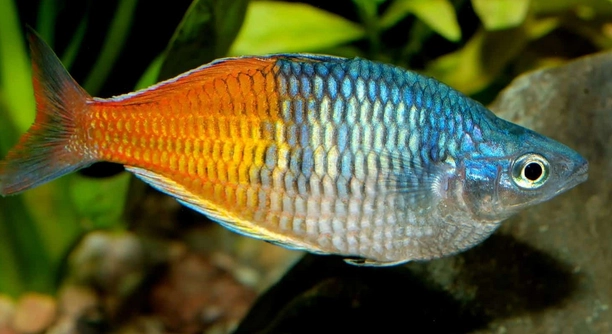
Rainbow fish are vibrant and fascinating creatures, often admired for their colorful scales and playful nature. However, you might notice them chasing their own tails at times. This behavior can leave aquarium owners wondering about its cause and significance.
Rainbow fish chasing their tails is typically a sign of stress, boredom, or an environmental issue. Factors such as water quality, tank size, or lack of stimulation can contribute to this behavior. Addressing these factors can help reduce tail chasing.
Understanding these key factors can help you improve your fish’s health and behavior. By addressing the root causes, you can create a more balanced environment for your rainbow fish and ensure they thrive.
Stress and Anxiety in Rainbow Fish
Rainbow fish are sensitive creatures that can experience stress in their environment. Stressors such as sudden changes in water temperature, fluctuating pH levels, or aggressive tank mates can cause them to act out, like chasing their tails. Stress affects their overall health and can lead to further behavioral problems, including erratic swimming patterns. If your rainbow fish is feeling stressed, it might start to exhibit repetitive behavior, such as circling or tail chasing, as a way to cope with discomfort. It’s essential to maintain a stable environment for them, ensuring that water conditions are consistent and that they are not overwhelmed by tank mates.
The key to managing stress in rainbow fish lies in creating a peaceful and stable environment. Proper tank setup and monitoring water conditions regularly are important steps to reduce stress.
In addition to water quality, rainbow fish need enough space to swim freely. If the tank is overcrowded or too small, the fish may feel confined, which can trigger anxious behaviors like tail chasing. Choosing compatible tank mates also plays a role in preventing aggression, as bullying or territorial behavior can escalate stress levels. Providing places to hide, like plants or decorations, can give your fish a sense of security. By focusing on these factors, you can create a calmer atmosphere for your rainbow fish, reducing the chances of them chasing their tails due to stress.
Boredom and Lack of Stimulation
Rainbow fish are active swimmers that enjoy exploring their surroundings. When they are not given enough stimulation, they can become bored, and this boredom may result in repetitive behaviors, such as tail chasing.
To prevent boredom, it’s essential to provide enrichment in the tank. Adding decorations or plants can encourage exploration, making the environment more engaging for your fish.
In a more stimulating environment, rainbow fish are less likely to resort to tail chasing. Adding items such as caves, tunnels, or floating objects can spark curiosity and encourage physical activity. Also, changing the tank layout periodically can introduce variety, keeping the fish engaged and preventing them from getting bored. Adding a few fellow fish for companionship can also help to keep your rainbow fish active and socially engaged, as they are social creatures by nature.
Poor Water Quality
Water quality is critical for rainbow fish, and poor conditions can lead to stress and erratic behavior. High levels of ammonia, nitrites, or nitrates can irritate the fish, causing them to act out.
If the water quality in the tank is poor, rainbow fish may start swimming in circles or chasing their tails. These behaviors are signs of discomfort, as fish instinctively seek to escape from harmful conditions. Regular water testing and partial water changes are essential to keeping the tank environment healthy. If you notice tail chasing, it’s a good idea to check the water parameters immediately.
To improve water quality, start by investing in a reliable filter that can handle the tank size. Maintain the filter regularly, ensuring it doesn’t become clogged. Additionally, make sure you’re changing 10-20% of the water weekly to prevent harmful build-up. It’s also important to monitor temperature and pH levels closely, as these can affect the fish’s behavior and health. Keeping the tank clean will help your rainbow fish stay calm and avoid behaviors like tail chasing.
Inadequate Tank Size
An overcrowded or too small tank can make rainbow fish feel cramped and anxious. Fish need space to swim and explore, and without it, they may begin to exhibit unusual behavior.
The minimum recommended tank size for rainbow fish is 30 gallons, especially if you have multiple fish. When a tank is too small, the fish might start swimming in tight circles or chasing their own tails. Overcrowding can lead to territorial disputes and stress, which further encourages this behavior. A larger tank with more room for swimming is essential for their well-being.
To prevent this issue, always choose a tank that suits the number of rainbow fish you have. A bigger tank not only gives them room to move but also helps maintain better water quality, as waste doesn’t build up as quickly. If you’re unsure about the right size for your fish, a general rule is one inch of fish per gallon of water. Providing them with enough space will reduce anxiety and lower the chances of tail chasing.
Aggressive Tank Mates
Aggressive fish can cause stress in rainbow fish, leading them to chase their tails. In a tank with aggressive species, rainbow fish might feel threatened and act out.
If there are aggressive or overly territorial fish in the tank, it can lead to bullying, which makes rainbow fish anxious. This stress can cause them to resort to tail chasing as a coping mechanism. Carefully selecting tank mates is important to ensure peaceful cohabitation.
It’s crucial to monitor how your fish interact with others. If any tank mates are overly aggressive or chase your rainbow fish, consider relocating them or separating them. Peaceful species, such as tetras or other mild-mannered fish, are better companions for rainbow fish. Ensuring harmony among the tank’s inhabitants can prevent stress-related behaviors like tail chasing.
Illness or Injury
Illness or injury can cause rainbow fish to chase their tails. Sometimes, this behavior is a response to discomfort or an attempt to relieve irritation caused by parasites or wounds.
When rainbow fish are sick, they may engage in repetitive behavior like tail chasing as a sign of distress. It’s essential to examine your fish for signs of illness such as lesions, cloudy eyes, or abnormal swimming. Any health issue can affect their behavior, and it’s best to address it immediately.
Ensure your rainbow fish receive proper treatment for any health problems. If you notice unusual behavior, consult a veterinarian or aquatic expert to identify any potential issues. Providing a clean, stress-free environment helps the fish recover quickly and reduces the chances of them chasing their tails due to illness or injury.
FAQ
What are the main reasons rainbow fish chase their tails?
Rainbow fish typically chase their tails due to stress, boredom, poor water quality, or issues with their tank environment. Stress can arise from aggressive tank mates, sudden changes in water parameters, or overcrowding. Boredom, lack of stimulation, and insufficient space to swim also contribute to this behavior. Additionally, if rainbow fish are sick or injured, they may chase their tails in an attempt to soothe discomfort. Understanding the root cause of this behavior is key to resolving it.
How can I reduce tail chasing in my rainbow fish?
To reduce tail chasing, start by improving water quality. Regular water changes, proper filtration, and maintaining stable temperature and pH levels are essential. Ensure the tank is not overcrowded, and give your rainbow fish plenty of space to swim freely. Adding hiding spots and decorations can reduce stress. Introducing peaceful tank mates can help prevent aggression, which can contribute to tail chasing. Finally, monitor their health regularly to catch any illness or injury early.
Can rainbow fish be trained to stop chasing their tails?
While rainbow fish cannot be trained in the traditional sense, creating a healthy and stimulating environment can encourage natural behaviors and reduce repetitive ones like tail chasing. By ensuring that the water quality is optimal, the tank is the right size, and they are not stressed, you can significantly reduce the likelihood of tail chasing. Introducing enrichment like plants, decorations, and suitable tank mates can also help keep your fish engaged and less likely to chase their tails.
What are some signs that my rainbow fish might be stressed?
In addition to tail chasing, signs of stress in rainbow fish include erratic swimming patterns, hiding excessively, or darting around the tank. You may also notice changes in their appetite or breathing rate. Stress can cause your rainbow fish to become lethargic, or they may appear to be constantly seeking an escape from their environment. Physical signs of stress may include faded colors, frayed fins, or lesions on their bodies. If you notice these signs, it’s essential to address the environmental factors contributing to the stress.
Is it normal for rainbow fish to chase their tails occasionally?
Occasional tail chasing may not be a significant issue, especially if the fish are still healthy and the behavior doesn’t seem excessive. However, if tail chasing becomes a repetitive pattern or persists for long periods, it could indicate an underlying problem that needs attention. It’s important to monitor the frequency and intensity of the behavior, as persistent tail chasing can lead to physical damage or stress-related illness.
Can poor tank mates cause my rainbow fish to chase their tails?
Yes, aggressive or territorial tank mates can cause rainbow fish to feel stressed and lead to behaviors like tail chasing. If other fish are constantly harassing or chasing your rainbow fish, this can lead to anxiety and discomfort. To prevent this, ensure your rainbow fish are housed with peaceful, non-aggressive species. Avoid keeping them with fish that might bully them or invade their space. Providing plenty of hiding places and creating territories can help reduce the likelihood of aggression in the tank.
What is the best tank size for rainbow fish?
The ideal tank size for rainbow fish is at least 30 gallons, especially if you have multiple fish. A larger tank provides enough space for them to swim and explore freely. Rainbow fish are active swimmers and need room to exhibit their natural behavior. In smaller tanks, overcrowding can lead to stress and behavioral issues, including tail chasing. If you’re keeping several rainbow fish, opt for a larger tank to ensure each fish has enough space and to maintain better water quality.
Can rainbow fish become more stressed when kept alone?
Yes, rainbow fish are social creatures, and they tend to do better when kept in groups. Keeping a single rainbow fish in a tank can lead to stress, as they may feel lonely or isolated. When housed with others of their kind, they tend to be more active and confident, reducing stress. If you’re keeping rainbow fish, aim to keep at least 3-5 of them together to encourage natural social behavior and to help prevent stress-induced issues like tail chasing.
How do I know if my rainbow fish is sick?
Signs of illness in rainbow fish include changes in behavior, such as lethargy, loss of appetite, or difficulty swimming. If your fish has visible injuries, such as open wounds, lesions, or faded colors, it may be sick. Clamped fins, unusual swimming patterns, or labored breathing can also be signs of distress. If you suspect illness, check the water parameters first, as poor water quality can sometimes cause illness. It’s important to treat any health issues promptly to prevent further stress or complications, which could lead to tail chasing or other behavioral changes.
What role does water temperature play in tail chasing?
Water temperature is crucial for rainbow fish, as they thrive in a stable range. If the temperature is too high or low, it can cause stress, which might lead to tail chasing. Rainbow fish prefer temperatures between 72°F and 79°F (22°C to 26°C). Consistent water temperature helps to maintain their overall health and reduces the risk of stress-related behaviors. It’s important to regularly monitor the tank’s temperature and adjust heaters or cooling systems as needed to keep it stable.
Final Thoughts
Rainbow fish chasing their tails is a behavior that can be linked to several factors, such as stress, boredom, poor water quality, or a lack of space. Understanding the underlying cause of this behavior is the first step in helping your fish. By making simple changes to their environment, you can often reduce or eliminate this behavior entirely. It’s important to remember that rainbow fish are active, social creatures that thrive in a well-maintained tank with plenty of space, stimulation, and proper care.
Taking care of your rainbow fish involves more than just ensuring clean water. It’s about creating an environment that supports their natural behaviors. A spacious tank with peaceful tank mates, adequate filtration, and hiding spots will reduce stress. Consistent water quality is essential, so regular water changes and monitoring of pH, temperature, and other water parameters will help keep your fish healthy. If your rainbow fish is constantly chasing its tail, it’s a sign that something in the tank isn’t right, and addressing it will make a noticeable difference.
While the behavior may seem harmless at first, long-term tail chasing can lead to physical damage or more serious health problems. By paying attention to the needs of your fish and maintaining a stable, stimulating environment, you can ensure they live a happy and healthy life. If you’re unsure of the exact cause, don’t hesitate to consult with an expert who can help guide you. The effort you put into improving your fish’s environment will not only stop the tail chasing but will also benefit their overall well-being in the long run.

Hello,
If you enjoy the content that we create, please consider saying a "Thank You!" by leaving a tip.
Every little bit helps us continue crafting quality advice that supports the health, happiness, and well-being of pets around the world, for pets of all shapes, sizes, and species.
We really appreciate the kindness and support that you show us!