
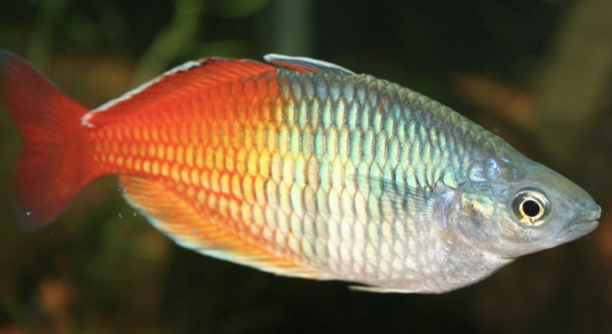
Rainbow fish are known for their vibrant colors and playful nature. These fascinating creatures display behaviors that reveal their personalities in fun and unique ways. Their playful antics provide insight into their social and environmental needs.
Rainbow fish engage in a variety of playful behaviors, including darting through the water, chasing each other, and performing acrobatic flips. These actions help them build social bonds, communicate, and maintain their physical health in the wild.
From rapid swimming patterns to playful interactions, there is much to observe in their behaviors. Understanding these actions can provide you with valuable knowledge of their lively personalities.
Social Playfulness in Rainbow Fish
Rainbow fish love to interact with each other, and their playful nature can be seen in their social behaviors. These fish often swim together in groups, darting back and forth in synchronized movements. This behavior isn’t just for fun; it helps them establish social bonds and maintain harmony within the group. Their playful swimming patterns also allow them to stay alert to any potential threats, like predators, while still engaging in social play. By chasing one another, they demonstrate their energy and create opportunities to bond with other members of their species.
This constant play helps them stay active and healthy. It also strengthens the group dynamics, as fish form close-knit communities. The more they engage in these playful activities, the better they are at communication and cooperation.
When rainbow fish swim together in unison, it can look like a beautiful display of harmony. These coordinated movements help the fish feel secure and confident within their group. Their playful nature isn’t just about having fun; it’s essential to their survival and well-being.
Displaying Dominance Through Play
Rainbow fish may also use play to display dominance. This can be seen in their interactions with one another, where one fish may chase another or engage in aggressive displays. These behaviors are part of establishing who is in charge within the group. While this may seem like a negative interaction, it is a natural part of their social structure.
In many cases, this dominance display happens during the breeding season when competition is high. The more dominant fish may show off their strength by swimming faster or holding their position in the tank. This playful yet competitive behavior ensures that the strongest fish remain in control, which can influence breeding rights and territory within the group. Understanding these dominance behaviors can help aquarium owners manage the social structure of their fish more effectively.
Rapid Swimming and Quick Turns
Rainbow fish often engage in rapid swimming and quick turns, which are key parts of their playful behavior. This fast-paced movement is not only for exercise but also allows them to show off their agility. They perform these sharp turns to interact with each other, especially during social activities. These movements are commonly seen when fish are chasing one another or exploring their environment. It’s a way for them to remain alert and demonstrate their physical strength. Rapid swimming also keeps their bodies fit, ensuring they can escape predators if needed.
This energetic behavior helps rainbow fish maintain a balance between playful interaction and survival instincts. When they swim rapidly, they also demonstrate their ability to react quickly to changes in their surroundings. These swift turns allow them to adapt to different spaces and situations, making them highly responsive to any changes in their environment. Playful swimming also promotes muscle development and overall health, making it an essential part of their daily routine.
The constant back-and-forth swimming helps them release energy and stay physically sharp. For aquarium owners, observing this behavior can be a sign that the fish are happy and well-adjusted to their surroundings. Rapid swimming is not just a fun activity but also a vital part of their daily fitness.
Bubble Blowing and Water Play
Rainbow fish also show playful behavior through bubble blowing and engaging in water play. These actions often occur when the fish are exploring their environment or during their courtship displays. They blow bubbles by pushing air through the water with their mouths, which can sometimes look like an act of curiosity or communication. It’s a playful action, and the bubbles create interesting patterns in the water, which adds to the excitement of their behavior. These bubbles may also serve as a way to mark territory or signal to other fish.
Water play includes their movement through different layers of the tank, from the surface to the bottom, making them appear as though they are playing with the water itself. They are not only demonstrating curiosity about their environment but also engaging in a form of play that contributes to social interaction. Fish that engage in this behavior often feel secure in their surroundings and comfortable enough to experiment with different aspects of their habitat. These activities keep them entertained and prevent stress, improving their overall well-being.
By observing this bubble-blowing behavior, you can better understand how rainbow fish communicate with each other and express their playful personalities. Their interaction with water is more than just a survival technique; it’s an essential part of their social structure and individual happiness.
Nipping and Gentle Biting
Rainbow fish sometimes show playful behavior by gently nipping or biting each other. These actions are often seen during interactions between different members of the same group. The nipping can be a way for them to communicate or establish boundaries. It’s a sign of social behavior and can indicate a playful interaction rather than aggression.
Nipping also serves as a way to keep the group organized and establish a pecking order. By gently biting one another, they create an understanding of who holds dominance or who is part of the group’s hierarchy. These light interactions help build social bonds.
Flipping and Spinning
Rainbow fish love to perform flips and spins in the water. These acrobatic displays are often part of their playful behaviors. It’s a way for them to showcase their agility, speed, and strength while interacting with other fish. They may flip and spin during courtship or while competing for territory.
This behavior is more than just for fun; it serves as an energy release and contributes to the physical fitness of the fish. Spinning and flipping also help to strengthen muscles and coordination. It’s a natural part of their routine, which keeps them active and healthy.
Playful Chasing
Chasing is one of the most common playful behaviors observed in rainbow fish. They often chase one another in a back-and-forth pattern, creating a lively and fun atmosphere. This behavior is usually not aggressive but part of their way of interacting socially with each other. It can help establish bonds within the group.
FAQ
Do rainbow fish play with each other?
Yes, rainbow fish do engage in playful behaviors with each other. They interact through quick swimming, chasing, and performing acrobatic flips. These activities help them socialize and strengthen their bonds within the group. Play also aids in maintaining their fitness and alertness, ensuring they are prepared for any threats.
What does it mean when rainbow fish chase each other?
When rainbow fish chase each other, it is usually a sign of social interaction, rather than aggression. They often chase one another to establish dominance, but it can also be part of playful behavior. Chasing can occur during courtship, as males may chase females, or between individuals to maintain group structure.
Are rainbow fish aggressive?
Rainbow fish are generally peaceful and not considered aggressive. However, they may display signs of dominance through chasing or gentle nipping. These behaviors are more about establishing social roles within the group rather than showing outright aggression. In most cases, they do not pose a threat to one another.
Why do rainbow fish blow bubbles?
Blowing bubbles is a playful behavior that rainbow fish sometimes engage in. They do this by pushing air through the water with their mouths. This behavior can serve different purposes: it’s a way to communicate, mark territory, or even just play around. It adds to their fun interactions with their environment and fellow fish.
How can I tell if my rainbow fish are happy?
Happy rainbow fish exhibit active behaviors like playful swimming, darting through the water, and engaging with other fish. They also display bright, vibrant colors, which are a good indication of their health and mood. If your fish are eating well, interacting with each other, and swimming energetically, they are likely content.
Do rainbow fish need a lot of space to swim?
Yes, rainbow fish need plenty of space to swim around. They are active swimmers and thrive in tanks that allow them to move freely. A spacious aquarium helps them express their natural behaviors like rapid swimming, chasing, and flipping. It also prevents stress and keeps them healthy.
What is the best environment for rainbow fish?
Rainbow fish prefer a well-planted aquarium with a stable water temperature and good filtration. They enjoy clean, slightly acidic to neutral water with a temperature range of 72-79°F. Adding plants and decorations provides hiding spots, while a spacious tank allows them to move around freely and engage in their playful behaviors.
Do rainbow fish need to be in groups?
Yes, rainbow fish are social creatures that thrive in groups. Keeping them in a small group encourages natural behaviors like playing, chasing, and interacting. It also helps them feel secure and reduces stress. A group of six or more is ideal for maintaining their social structure and promoting healthy, active behavior.
How do rainbow fish show affection?
Rainbow fish show affection through their social interactions. They often swim together in groups and engage in playful activities such as chasing or flipping. While their behavior is not as overtly affectionate as some other pets, they do form bonds with one another, which helps them feel secure in their environment.
Can rainbow fish display aggressive behavior toward other species?
Rainbow fish are generally peaceful, but they can display territorial behaviors towards other species, especially if the other fish are competing for the same resources. If a tank is overcrowded or has fish that are overly aggressive, rainbow fish may defend their space, but this is usually not severe.
Do rainbow fish need specific water conditions to thrive?
Rainbow fish prefer clean, stable water conditions. They thrive in water with a slightly acidic to neutral pH (6.5 to 7.5), soft to medium hardness, and a stable temperature range of 72-79°F. Good filtration is also essential for keeping the water clean and ensuring their playful behaviors are not disrupted by poor water quality.
How can I encourage my rainbow fish to play?
To encourage your rainbow fish to play, provide them with a spacious tank and plenty of places to explore, like plants, rocks, and driftwood. Having other rainbow fish to interact with is also crucial for their social play. Keeping the water conditions stable and free from stressors will help them feel comfortable enough to engage in playful activities.
Can rainbow fish live with other fish?
Rainbow fish are peaceful and can live with many other species, provided they are not overly aggressive. They do well with other non-aggressive species like tetras, catfish, and smaller barbs. It’s important to avoid keeping them with aggressive fish that may disrupt their playful nature or stress them out.
What are the signs of a stressed rainbow fish?
Stressed rainbow fish may display signs like dull colors, sluggish movement, or hiding in the corners of the tank. They might also stop eating or engage less in playful activities. Stress can be caused by poor water quality, overcrowding, or aggressive tankmates. Providing a calm, well-maintained environment is key to keeping them happy.
Are rainbow fish easy to care for?
Rainbow fish are relatively easy to care for, as long as their basic needs are met. They require a well-maintained aquarium with proper filtration, stable water temperature, and enough space to swim. Regular water changes and monitoring water quality are essential. With the right environment, rainbow fish are low-maintenance and thrive in most aquariums.
How long do rainbow fish live?
Rainbow fish generally live for 5 to 8 years, depending on the species and care they receive. A well-maintained environment with good water quality, proper nutrition, and regular tank maintenance will help your rainbow fish live a long and healthy life. Their playful behaviors tend to continue throughout their lifespan.
Final Thoughts
Rainbow fish are vibrant, playful creatures that bring a lot of life to any aquarium. Their energetic behavior, from rapid swimming to gentle chasing, shows how social and active they are. These fish engage in a variety of playful actions that not only help them stay physically fit but also maintain social bonds within their group. Watching them interact in such lively ways can be an enjoyable experience, especially if you’re keen on observing how fish behave naturally. By providing them with a spacious tank, clean water, and other fish to interact with, you can support their playful nature and ensure they thrive in their environment.
Taking care of rainbow fish involves understanding their need for space, social interaction, and proper water conditions. They do best when kept in groups and are most active when their environment allows them to engage in natural behaviors. As long as they are not overcrowded, and their water quality is well-maintained, rainbow fish will often display signs of happiness, such as bright colors and playful activity. These behaviors are not just for fun; they’re vital for their well-being. Ensuring that they have an environment where they feel safe and comfortable will allow you to see them at their most playful.
It’s important to remember that, like any other pet, rainbow fish require attention and care to remain healthy. Their social play, which includes chasing, nipping, and bubble blowing, is an essential part of their lives, helping them build bonds and stay active. Understanding these behaviors will help you create the right environment for your rainbow fish. With the right care, they can bring years of colorful, playful activity to your aquarium. Whether you’re a new aquarium owner or an experienced one, rainbow fish are an excellent choice for adding life and energy to your aquatic setup.

Hello,
If you enjoy the content that we create, please consider saying a "Thank You!" by leaving a tip.
Every little bit helps us continue crafting quality advice that supports the health, happiness, and well-being of pets around the world, for pets of all shapes, sizes, and species.
We really appreciate the kindness and support that you show us!