
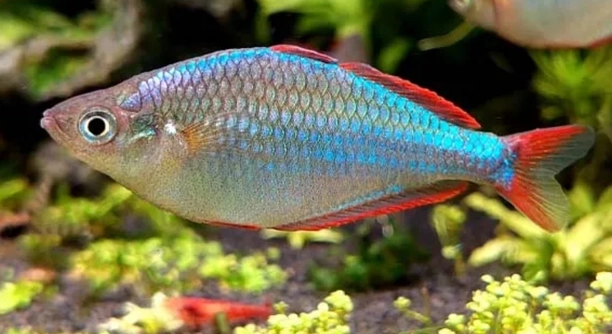
Rainbow fish are known for their bright colors and playful nature, making them a popular choice among aquarium enthusiasts. However, these vibrant fish may follow a similar path to other species as they adapt to their environment.
Rainbow fish, like many species, may experience changes in behavior, habitat, and breeding patterns over time due to environmental shifts, population dynamics, and evolutionary pressures. These factors often lead them to follow predictable patterns within their ecosystems.
Understanding the forces that drive these patterns can offer deeper insights into their behavior and the ways they interact with their surroundings. This article will explain how these factors shape the life cycle of rainbow fish.
How Rainbow Fish Adapt to Changing Environments
Rainbow fish thrive in various aquatic environments, ranging from freshwater rivers to more controlled settings like aquariums. Their ability to adapt to different conditions is a key factor in their survival. This flexibility allows them to navigate changes in water temperature, salinity, and food availability. Over time, as their surroundings shift, they adjust their behavior and physical traits to better suit their environment. For example, rainbow fish may change their feeding habits or migrate to areas with more suitable conditions. These adaptations are not random but are driven by survival instincts, ensuring the species continues to thrive even as environmental pressures change.
Adaptability is one of the main reasons rainbow fish survive in diverse environments. They have evolved to handle fluctuations in water quality and food availability, ensuring they stay healthy even in challenging conditions.
Rainbow fish are also known to adjust their breeding patterns when faced with changes in their environment. In some cases, they will spawn in different seasons or adjust the number of eggs they lay based on the availability of resources. This flexibility helps them ensure that their offspring have the best chances of survival.
Evolutionary Pressures on Rainbow Fish
As rainbow fish face new challenges, natural selection plays a significant role in shaping their traits. Over time, their physical characteristics may change to better suit their habitats. For instance, some populations may develop stronger resistance to disease or better camouflage skills in response to predators. Changes in the local ecosystem, such as the introduction of new species or a shift in water conditions, can drive these evolutionary shifts. These pressures force rainbow fish to adapt quickly, ensuring they maintain their role in the ecosystem. Evolutionary changes often happen slowly, but over generations, they can result in noticeable differences within populations.
Evolutionary pressures help rainbow fish stay resilient in the face of challenges, whether from predators, food shortages, or environmental changes. These pressures ensure that only the most adaptable fish survive.
Rainbow fish are also affected by human intervention, such as the introduction of invasive species or changes to their natural habitat due to urbanization. These external factors can speed up the process of natural selection, causing rapid shifts in population traits. For example, fish that are better able to cope with polluted water may become more common in certain areas. This human impact, while sometimes harmful, also forces rainbow fish to develop new traits for survival. The ability to adapt to both natural and human-induced changes is a critical factor in ensuring the long-term survival of rainbow fish.
Rainbow Fish Behavior and Social Structure
Rainbow fish display interesting social behaviors, often forming groups called schools. These schools provide safety in numbers, as the fish can avoid predators by staying together. Within these schools, they communicate through body movements and colors. Dominant fish may lead the group, while others follow for protection. This social structure ensures their survival and helps them find food more efficiently.
In the wild, rainbow fish are often found in schools that swim together in a coordinated manner. This behavior is not random; it’s a survival strategy. Swimming in groups reduces the chance of individual fish being caught by predators. Fish in schools also benefit from shared knowledge about food sources, which enhances their chances of finding nourishment. The social structure also allows for the younger or weaker fish to stay protected, while the stronger individuals may take the lead in guiding the group. This system maximizes the chances of survival for the entire group.
As they grow, some rainbow fish may become more solitary, especially if food or space becomes limited. In smaller aquariums, they might adapt to a more independent lifestyle, although they generally still prefer being around others. Even in these situations, the instinct to remain close to other fish can still be observed, especially during breeding seasons. The fish’s social nature is deeply ingrained, ensuring they thrive in diverse environments, whether in large schools or more isolated settings.
Environmental Influence on Rainbow Fish Development
Environmental factors like water quality, temperature, and the availability of food play a crucial role in the development of rainbow fish. Their growth can be greatly affected by the conditions around them. Warmer water temperatures may cause them to grow faster, while lower temperatures can slow down their growth. Additionally, food availability influences their size and health.
When food is abundant, rainbow fish grow more rapidly, reaching their full size sooner. However, if the food supply is scarce, their growth may be stunted, and they may struggle to maintain a healthy weight. In situations where the water temperature fluctuates, the fish may not grow to their maximum size, as their metabolism slows down. This change in growth patterns can lead to differences in size and health within populations, depending on their environment. A well-balanced ecosystem allows the fish to develop fully and ensures they are strong enough to survive in the wild.
Water quality also plays a key role in their development. Clean, well-oxygenated water supports optimal health and growth. When rainbow fish are kept in tanks with poor water conditions, they may become stressed or prone to diseases. On the other hand, maintaining stable water parameters like pH levels and temperature can improve their health and ensure that they reach their full developmental potential. These environmental influences can significantly impact how rainbow fish grow, reproduce, and adapt to their surroundings.
Breeding Habits of Rainbow Fish
Rainbow fish breed most frequently in the warmer months. During this time, males become more colorful to attract females. The eggs are laid in plants or hidden areas of the habitat, where they are fertilized and left to hatch. This reproductive behavior ensures the survival of the species.
Breeding habits can change based on environmental conditions. When food is abundant and water temperatures are stable, rainbow fish will breed more often. However, in harsh conditions, their reproductive activity slows down, as the fish focus more on survival than reproduction. This adaptability ensures that the fish reproduce when their chances of survival are highest.
The Role of Colors in Communication
The bright colors of rainbow fish play an essential role in their communication. These colors are used to signal various things, from attracting mates to warning other fish of danger. A sudden change in color can indicate stress or aggression. It’s a key part of their social interactions.
Colors also serve to strengthen bonds between individuals. Male rainbow fish, for example, will display vibrant hues when courting females. These colors can communicate health, vitality, and fitness, signaling to potential mates that they are strong candidates for reproduction. This visual communication helps the fish navigate their social structures and interactions.
Managing Rainbow Fish in Aquariums
When keeping rainbow fish in an aquarium, water quality must be closely monitored. Regular water changes, proper filtration, and maintaining correct temperature levels are key to keeping them healthy. Fish also require plenty of space to swim, as they naturally move in schools. Providing plants or hiding spots will help mimic their natural environment.
FAQ
What do rainbow fish eat?
Rainbow fish are omnivores, meaning they eat both plant and animal matter. Their diet mainly consists of small insects, algae, and plant material in the wild. In aquariums, they can be fed a mix of high-quality flakes, pellets, live or frozen food like brine shrimp, and vegetables like zucchini or spinach. It’s important to offer variety to ensure they get all the necessary nutrients. Feeding them small portions 2-3 times a day helps maintain their health and prevents overfeeding, which can lead to water quality issues.
How do I keep rainbow fish healthy in an aquarium?
To keep rainbow fish healthy, it’s essential to maintain clean water, proper filtration, and a stable temperature between 72-79°F (22-26°C). Regular water changes (about 25% every 1-2 weeks) help remove waste and maintain water quality. Make sure the tank has plenty of swimming space, as rainbow fish are active swimmers. They also thrive in well-planted aquariums with hiding spots to mimic their natural environment. Proper feeding practices and avoiding overcrowding are important to prevent stress and disease.
What size aquarium do rainbow fish need?
Rainbow fish need a minimum of a 30-gallon aquarium if kept in groups. Since they are active swimmers, they require enough space to move freely. A larger tank is always better, especially if you’re keeping multiple fish, as it helps reduce territorial behavior and stress. If you plan to keep a school of rainbow fish, aim for a 55-gallon tank or larger to give them enough room to swim and interact with each other.
Are rainbow fish compatible with other species?
Yes, rainbow fish are generally peaceful and can live well with a variety of other species. They are often kept in community tanks with other peaceful fish like tetras, guppies, and corydoras catfish. However, avoid keeping them with overly aggressive species or very small fish, as the rainbow fish might accidentally nip at them or outcompete them for food. Always research potential tank mates to ensure compatibility, and ensure the tank is large enough to accommodate all species comfortably.
How can I tell if my rainbow fish are sick?
Rainbow fish will usually show signs of illness through changes in behavior, appearance, or eating habits. If they become lethargic, lose their color, or stop eating, these could be signs of stress or illness. Physical signs include clamped fins, abnormal swimming patterns, or lesions on their bodies. If you notice any of these symptoms, it’s important to address the issue quickly by checking water quality, isolating sick fish, and researching potential treatments. Preventative care, like maintaining a clean tank and avoiding overcrowding, can help prevent illnesses.
Do rainbow fish need a special diet for breeding?
Rainbow fish don’t require a specific diet for breeding, but providing them with a high-quality, varied diet will improve their chances of successful reproduction. A mix of protein-rich foods such as brine shrimp and live daphnia, along with plant matter, can help improve the health of the fish and enhance the breeding process. During the breeding season, ensure the fish are well-fed with nutritious food, as this will help the females produce more eggs, and the males will maintain their vibrant coloration to attract mates.
What is the lifespan of a rainbow fish?
Rainbow fish typically live for 5 to 7 years in an aquarium, provided they are given proper care. Their lifespan can be influenced by factors such as water quality, diet, and the overall environment in the tank. Ensuring they are kept in a stable and healthy environment with appropriate tank mates can help them live out their full lifespan. Some species may live slightly longer, while others may have a shorter lifespan depending on their genetics and the conditions they are kept in.
Can rainbow fish be kept in a tank with saltwater?
Rainbow fish are primarily freshwater fish, but some species can tolerate low levels of salt. However, it’s important to remember that they should not be kept in fully saltwater tanks. If you’re keeping rainbow fish in an aquarium with a slight salt presence, monitor their behavior closely. Too much salt can cause stress or health problems, so it’s essential to research the specific needs of your rainbow fish species. For most, freshwater is the best option.
Do rainbow fish need a heater?
Yes, rainbow fish need a heater in their tank to maintain a stable water temperature. Since they are tropical fish, they thrive in water temperatures between 72-79°F (22-26°C). A heater ensures that the water temperature stays within this range, which is essential for their health and well-being. Be sure to choose a reliable heater suitable for the size of your tank and use a thermometer to regularly check the water temperature.
Why are my rainbow fish losing their color?
If your rainbow fish are losing their color, it could be a sign of stress, poor water quality, or illness. Stressors like aggressive tank mates, low water quality, or fluctuating temperatures can cause rainbow fish to lose their vibrant hues. Additionally, poor diet or a lack of variety in their food may result in duller colors. Ensure that the water is clean, the temperature is stable, and that the fish are receiving a balanced diet. If the problem persists, further investigation into their health may be needed.
How do rainbow fish breed in captivity?
Breeding rainbow fish in captivity is possible, but it requires proper conditions. Set up a breeding tank with soft, slightly acidic water and a temperature of around 75°F (24°C). Provide plenty of plants or spawning mops where the fish can lay their eggs. During breeding, males display more vibrant colors to attract females. Once the eggs are laid, remove the adults to prevent them from eating the eggs. The eggs typically hatch in 6-8 days, and the fry can be fed infusoria or baby brine shrimp once they are free-swimming.
What tank mates should I avoid for rainbow fish?
Rainbow fish should not be kept with aggressive fish or species that are too small. Large, predatory fish such as cichlids or angelfish may harass or even eat rainbow fish. Additionally, very small fish like neon tetras may not be a good choice because they could be outcompeted for food or accidentally nipped by the rainbow fish. Stick with peaceful species that share similar water requirements for the best results. Always research the temperament of potential tank mates before introducing them to avoid stress and harm to your rainbow fish.
Final Thoughts
Rainbow fish are a wonderful addition to any aquarium due to their colorful appearance and active behavior. They are relatively easy to care for as long as their basic needs are met, such as maintaining clean water, stable temperatures, and a balanced diet. These fish are social creatures and thrive best when kept in groups, which also helps them feel safe and secure in their environment. Understanding their behavior and requirements will ensure they remain healthy and vibrant for many years.
One important thing to remember when caring for rainbow fish is their adaptability. These fish can adjust to a variety of conditions, but they are sensitive to drastic changes in their environment. Consistent water quality and temperature are key to preventing stress, which can lead to health problems. Regular water changes, proper filtration, and keeping the tank free of toxins or pollutants will go a long way in maintaining their well-being. Providing them with enough space to swim and hide also makes a big difference in keeping them comfortable and happy.
Lastly, while rainbow fish are generally peaceful, it’s important to choose tank mates carefully. They do best in peaceful community tanks where they can coexist with other non-aggressive species. Understanding their social structure and breeding habits also helps you create an environment where they can thrive and reproduce successfully. By providing proper care, you can enjoy the beauty and lively nature of rainbow fish in your aquarium for years to come.

Hello,
If you enjoy the content that we create, please consider saying a "Thank You!" by leaving a tip.
Every little bit helps us continue crafting quality advice that supports the health, happiness, and well-being of pets around the world, for pets of all shapes, sizes, and species.
We really appreciate the kindness and support that you show us!