
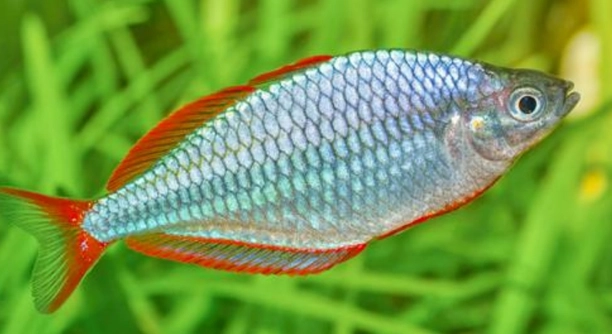
Rainbow fish are a colorful and lively addition to any aquarium. However, these fish can be sensitive to certain tank features, which might affect their health and behavior. It’s essential to understand what they prefer to thrive.
Several tank features can negatively impact rainbow fish, including strong currents, overly bright lighting, and aggressive tank mates. These factors can stress the fish, leading to poor health and changes in behavior. Understanding these preferences can help create a better environment.
Making small adjustments to your tank setup can improve your rainbow fish’s quality of life. Avoiding these common issues will help you create a peaceful and thriving environment for them. Keep reading to learn more about what to avoid.
Strong Water Currents
Rainbow fish are naturally found in slow-moving rivers and streams, so strong water currents in your tank can be too much for them. While they can adapt to moderate water movement, too much force can cause them stress, leaving them tired and vulnerable to illness. It’s important to create a calm environment, especially if your tank is heavily filtered or has water pumps running at high speeds.
Adjusting the water flow can make a big difference. You might want to use a filter with an adjustable flow rate or place the filter outlet in a way that avoids direct water movement over your fish. If your tank has powerful water currents, try to break them up using plants or decorations. By softening the flow, you’ll allow your rainbow fish to swim freely without feeling constantly pushed around. This simple change can help them feel more secure and comfortable in their tank.
Keep in mind that strong currents can also disrupt the behavior of your fish, making them spend more time hiding instead of swimming. A peaceful setup encourages more natural behavior and better health.
Bright Lighting
Rainbow fish prefer moderate lighting. Too much brightness can cause stress and make them uncomfortable. Overly bright lights can also encourage algae growth, which can further impact the water quality and the health of your fish.
Excessive lighting can disturb their rest periods and cause stress, leading to changes in their behavior, such as hiding more often. Consider reducing the intensity of your aquarium lights or using a timer to create a natural day and night cycle. This simple adjustment can significantly improve their well-being. Reducing bright light also creates a more comfortable and relaxed atmosphere for them, allowing your rainbow fish to feel more at ease.
Aggressive Tank Mates
Rainbow fish are peaceful by nature, and placing them with aggressive tank mates can lead to stress and health issues. These fish are not equipped to handle constant conflict, and having bullies in the tank can cause them to hide or become sick. It’s essential to choose tank mates that share a similar temperament.
If you add species that are too aggressive, rainbow fish may not have enough space to swim freely. This can make them anxious, affecting their health and behavior. It’s best to stick with peaceful species like tetras or other calm fish that don’t dominate the tank. Careful selection of tank mates can make a significant difference in the well-being of your rainbow fish.
Remember, when setting up a tank, always consider the overall dynamic. Even small signs of aggression can lead to bigger issues over time. Creating a peaceful and balanced environment will help your rainbow fish thrive and live longer, happier lives.
Sharp Decorations
Sharp decorations can pose a real danger to rainbow fish. These delicate fish have soft bodies and can easily injure themselves on rough or pointed objects. Such injuries can lead to infections and stress, which is avoidable with proper tank setup.
When choosing decorations for your tank, always make sure the edges are smooth. Avoid items with sharp edges like rocks or plastic plants that could cause harm. Instead, opt for silk plants or aquarium-safe items designed specifically for fish tanks. These items are gentle on the fish and will help prevent accidents.
It’s always a good idea to check the decorations regularly for wear and tear. Over time, even smooth items can develop sharp edges that could hurt your fish. Keeping the tank safe is simple, and it greatly improves the comfort and safety of your rainbow fish.
Overcrowding
Overcrowding can stress rainbow fish and affect their health. Too many fish in a small tank lead to poor water quality, which can cause illnesses. Each fish needs space to swim, and overcrowding can limit that space, resulting in unhappy fish.
When setting up your tank, ensure there’s enough space for each fish to thrive. A general rule is to allow about one inch of fish per gallon of water, but this can vary depending on the species. Overcrowding can also make it harder to maintain stable water parameters, which affects the overall tank environment.
By keeping the fish population balanced and providing ample swimming room, your rainbow fish will be able to move freely and feel more at ease. This will help avoid stress and improve their quality of life.
Poor Water Quality
Rainbow fish are sensitive to water quality. If the water is too dirty, it can lead to poor health and even death. Keeping the water clean and free from harmful toxins is essential for their survival.
Regular water changes, along with good filtration, are necessary to maintain a healthy tank environment. Check your water parameters frequently for ammonia, nitrites, and nitrates to ensure the levels are safe. Keeping the water stable and clean will help reduce the risk of disease and allow your rainbow fish to thrive in a healthy environment.
FAQ
How often should I change the water in my tank?
Rainbow fish need clean water to thrive. It’s recommended to change about 25-30% of the tank water every two weeks. However, if you have a heavily stocked tank, more frequent water changes may be necessary to keep the water quality in check. Regular water changes help prevent the buildup of harmful chemicals and waste, ensuring your fish live in a healthy environment. Don’t forget to test the water regularly for ammonia, nitrites, and nitrates, and adjust your water change schedule accordingly.
Can rainbow fish live with other species?
Yes, rainbow fish can live with many peaceful species. They are calm and non-aggressive, so they typically do well with fish of similar temperaments. Good tank mates include other tetras, guppies, and peaceful catfish. Avoid placing them with aggressive fish, as they can stress the rainbow fish and cause health problems. Always consider the size and activity level of potential tank mates before adding them to your aquarium. Keeping peaceful species together helps prevent stress and aggression, allowing your rainbow fish to feel comfortable.
What water temperature do rainbow fish prefer?
Rainbow fish thrive in warm water, with an ideal temperature range between 74°F and 80°F (23°C to 27°C). If the water is too cold, they can become sluggish and more susceptible to illness. Using a reliable aquarium heater will help maintain a consistent temperature in your tank. Fluctuations in temperature can stress your fish, so it’s important to monitor it regularly. Be sure to check the temperature with a thermometer to keep it within the optimal range for your rainbow fish to stay healthy and active.
How can I tell if my rainbow fish is stressed?
Stressed rainbow fish may show signs like excessive hiding, lack of appetite, or changes in swimming behavior. They may also develop dull colors or even start fin biting. Stress can be caused by many factors, such as poor water quality, overcrowding, aggressive tank mates, or unsuitable tank conditions. It’s important to address the root cause of stress quickly to prevent long-term damage to your fish. Regular observation is key to noticing these early warning signs. If you notice your rainbow fish acting differently, check their environment and adjust it as needed.
What do rainbow fish eat?
Rainbow fish are omnivores, so they will eat a variety of foods. Their diet should consist of high-quality flakes, pellets, or freeze-dried food. Supplement their diet with live or frozen food like brine shrimp, bloodworms, or daphnia. Providing a balanced diet ensures they get all the nutrients they need for optimal health. Be sure not to overfeed them, as excess food can pollute the water and harm the fish. Feed them in small amounts once or twice a day to keep their diet balanced and their tank clean.
Do rainbow fish need a filter?
Yes, rainbow fish require good filtration to keep the water clean and oxygenated. A filter helps remove debris, excess food, and waste, which prevents harmful toxins from building up. It’s important to choose a filter that is appropriate for the size of your tank. While rainbow fish can tolerate some water flow, it’s important not to create strong currents that may stress them. A filter that provides gentle water movement is ideal for maintaining water quality without disturbing your fish.
Can rainbow fish live in freshwater or saltwater?
Rainbow fish are freshwater species, so they should only be kept in freshwater tanks. They are not suited for saltwater environments. Freshwater aquariums provide the ideal conditions for rainbow fish, including stable water parameters and the appropriate temperature range. Always ensure your tank is freshwater and maintain proper water quality to keep your fish healthy and happy. Adding salt or other elements to the water can cause stress and potentially harm your rainbow fish.
What is the ideal tank size for rainbow fish?
Rainbow fish require space to swim freely, so it’s best to keep them in a tank that holds at least 30 gallons of water. A larger tank will provide them with more swimming room and help maintain stable water conditions. Keeping them in a cramped tank can lead to stress and poor health. If you plan to keep multiple rainbow fish, make sure your tank is large enough to accommodate them and any other tank mates. A larger tank also helps in managing water quality by offering more volume for filtration.
How long do rainbow fish live?
Rainbow fish typically live for 5 to 8 years when kept in ideal conditions. Their lifespan can be influenced by factors such as water quality, diet, and tank environment. Providing them with the best possible care, including regular water changes, a balanced diet, and a peaceful environment, can help extend their life expectancy. With proper care, rainbow fish can live a long, healthy life and continue to brighten up your tank for years to come.
Do rainbow fish breed in captivity?
Yes, rainbow fish can breed in captivity, though it may require some effort. To encourage breeding, maintain excellent water quality and provide a breeding tank with plants and hiding spots. Rainbow fish breed in groups, and it’s a good idea to keep a few males with several females to improve your chances of successful breeding. The eggs are typically laid on plants or in small crevices, and the parents will usually not care for the eggs, so they should be removed to prevent them from being eaten.
Final Thoughts
Rainbow fish are beautiful and peaceful creatures, making them a popular choice for aquarium enthusiasts. However, like any pet, they require a bit of attention to ensure they thrive in a tank environment. The key to keeping rainbow fish happy and healthy is creating the right conditions that suit their natural habits. This includes maintaining the right water temperature, providing a balanced diet, and selecting compatible tank mates. Additionally, it’s important to avoid factors that can cause them stress, such as overcrowding, aggressive fish, and poor water quality. By following these guidelines, you can help your rainbow fish live a long and healthy life.
Keeping an eye on your tank setup and water quality is essential for the well-being of your rainbow fish. Regular water changes, proper filtration, and monitoring of water parameters will help prevent common issues. Over time, you’ll learn to recognize signs of stress or illness in your fish, which allows you to address problems early. Healthy water conditions are the foundation of a happy tank, and your rainbow fish will reward you with their vibrant colors and playful behavior. It’s a simple yet effective way to ensure they stay comfortable and active.
In the end, caring for rainbow fish can be a rewarding experience. Their lively colors and unique personalities bring joy to any aquarium. By understanding their needs and making the necessary adjustments to their environment, you can create a thriving habitat where your fish feel safe and content. Whether you’re a beginner or an experienced fish keeper, taking the time to care for your rainbow fish will lead to a beautiful and peaceful aquarium. With the right care, rainbow fish can be a stunning addition to any home.

Hello,
If you enjoy the content that we create, please consider saying a "Thank You!" by leaving a tip.
Every little bit helps us continue crafting quality advice that supports the health, happiness, and well-being of pets around the world, for pets of all shapes, sizes, and species.
We really appreciate the kindness and support that you show us!