
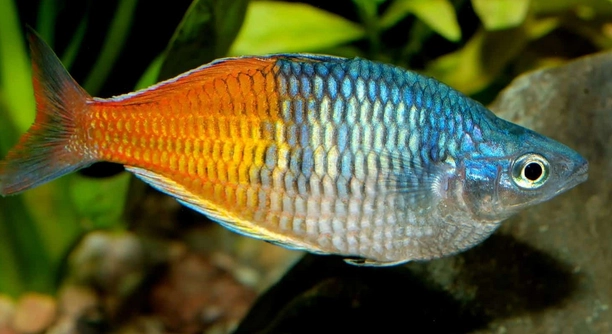
Rainbow fish are known for their vibrant colors and active nature. Many fish owners wonder whether these creatures prefer routine or variety in their environment. Understanding this can help improve their care and overall well-being.
Rainbow fish thrive on a balanced routine but also benefit from occasional variety. They are adaptive creatures, and their response to routine or change largely depends on factors like their environment, health, and the availability of food and shelter.
Introducing different experiences and changes occasionally can keep rainbow fish engaged and healthy. Their behavior may offer insight into what suits them best.
The Importance of Routine for Rainbow Fish
Rainbow fish, like many other creatures, find comfort in a consistent environment. A steady routine can reduce stress, which is crucial for their health. Regular feeding times, stable water conditions, and consistent tank maintenance help them thrive. When things are predictable, they can focus on swimming, eating, and exploring without the added pressure of sudden changes.
Having a routine is especially important for rainbow fish in a tank where stability is key. If the environment is erratic, they can become stressed, leading to decreased activity or health issues. They need time to adjust to changes, so keeping a regular schedule helps them feel safe and secure.
However, just because they benefit from routine doesn’t mean they should never experience variety. Occasional changes in their surroundings, such as new tank mates or different hiding spots, can encourage mental stimulation. The right balance between consistency and novelty ensures that your rainbow fish stay healthy and happy in the long run.
The Role of Variety in Their Life
While routines are essential, introducing new elements occasionally can help prevent boredom. Rainbow fish enjoy exploring their environment, and variety in the form of tank decorations or different food types can keep them active.
Variety adds interest to their lives, stimulating their natural instincts. New plants, toys, or changes in their tank layout can encourage curiosity and engagement. Introducing different food types also provides mental and physical stimulation, supporting their overall well-being. However, it’s important to maintain a balance and avoid making drastic changes that could stress them out. Consistent, but not constant, change keeps rainbow fish alert and engaged without overwhelming them. Too much variety, especially in a short time frame, may be disruptive.
The best approach is a steady routine with slight modifications every few weeks. This allows rainbow fish to stay active and interested in their environment, which ultimately contributes to their long-term health. Keeping their living space dynamic but not chaotic is key to supporting their overall quality of life.
Benefits of a Stable Environment for Rainbow Fish
A stable environment helps rainbow fish feel secure and healthy. Predictable water conditions, consistent feeding schedules, and regular tank maintenance can prevent stress. Stability is crucial for their well-being, as sudden changes can make them anxious and affect their behavior.
Consistent water temperature, pH levels, and proper filtration all contribute to their comfort. If any of these factors fluctuate too often, it can lead to health issues such as weakened immunity or digestive problems. Stable conditions allow rainbow fish to grow and thrive without unnecessary disruptions.
Providing this stable environment ensures that they are more active, happier, and less likely to experience stress-related illnesses. With regular attention to the details of their habitat, rainbow fish are more likely to exhibit natural behaviors and remain vibrant.
How to Introduce Variety Without Stressing Them Out
Introducing variety is important, but it must be done cautiously. When adding new elements, do it gradually and observe their reactions. Too much change at once can overwhelm them, but small alterations can provide the mental stimulation they need.
One way to introduce variety is by changing the tank layout. Moving plants or adding new hiding spots can spark curiosity and encourage exploration. Another option is rotating different types of food, offering new textures or flavors that may entice them. Introduce these changes slowly to avoid overwhelming them.
The key to variety is moderation. Rainbow fish enjoy new experiences, but too much change can lead to stress and unease. Always watch their behavior closely and allow them time to adjust to any new elements.
How to Create a Comfortable Routine
Creating a comfortable routine for rainbow fish involves consistency in their daily care. Regular feeding times, water changes, and tank maintenance help establish a predictable environment. This ensures they feel safe and reduces the chances of stress.
Make sure the tank conditions stay constant, like the temperature and pH levels. This gives them the stability they need to thrive. Feed them at the same time each day and avoid sudden changes in the type of food. Keeping the tank clean and free of debris also helps them feel secure.
Recognizing Stress in Rainbow Fish
Stress can be harmful to rainbow fish and may show in different ways. If they become less active or display erratic swimming, it may indicate discomfort. Their colors may also fade if they’re stressed, signaling a need for environmental adjustments.
Keep a close eye on their behavior. If they seem off, check the tank conditions. Sometimes stress results from overcrowding or incompatible tank mates. By identifying these signs early, you can quickly adjust their routine or environment to help them feel better.
Impact of Tank Mates on Routine and Variety
Rainbow fish are social creatures, but the choice of tank mates is important. They can become stressed if they are housed with aggressive fish or incompatible species. Choosing peaceful companions can help them feel more at ease.
Introducing new fish should be done gradually. Avoid overcrowding the tank, as it could disrupt their routine and lead to stress. A harmonious community is key to ensuring your rainbow fish have a comfortable, balanced environment. Always monitor their interactions to ensure they are getting along and are not being disturbed.
FAQ
Do rainbow fish need a lot of space?
Yes, rainbow fish require ample space to swim freely and stay healthy. A cramped tank can lead to stress and behavioral issues. For a group of rainbow fish, a minimum of 30 gallons is recommended. Larger tanks provide better water quality and more opportunities for them to explore.
In a smaller tank, rainbow fish may feel restricted, and their health could deteriorate over time. It’s also easier to maintain water quality in a larger tank, as the filtration system will be more efficient. A spacious environment allows them to thrive and display their natural behaviors.
How often should I feed my rainbow fish?
Rainbow fish should be fed once or twice a day. They are omnivores and enjoy a varied diet, so it’s good to offer them a mix of high-quality flakes, pellets, and occasional live or frozen food. Be sure not to overfeed them, as it can affect water quality.
Overfeeding is a common mistake and can lead to issues like bloating or poor water conditions. Monitor how much they eat during each feeding to avoid excess food. It’s better to feed them smaller amounts more often than to provide too much at once.
Can rainbow fish live with other types of fish?
Yes, rainbow fish can live with many other peaceful species, but tank mates should be chosen carefully. They are generally friendly, but can be stressed by aggressive or overly territorial fish. Choose companions that are non-aggressive and enjoy similar water conditions.
Good tank mates for rainbow fish include other peaceful community fish, such as tetras, guppies, or corydoras. Avoid pairing them with larger, aggressive species like cichlids or predatory fish, as they may cause harm to your rainbow fish. Make sure there’s enough space for all inhabitants.
How do I keep my rainbow fish healthy?
To keep rainbow fish healthy, maintain stable water conditions, provide a varied diet, and offer a balanced environment. Regular water changes are essential to remove toxins and ensure proper filtration. Additionally, avoid overstocking the tank, as overcrowding can lead to stress and health problems.
Rainbow fish are also sensitive to water temperature, so keep it between 72°F and 79°F. You should test the water regularly to make sure parameters like pH, ammonia, nitrites, and nitrates are in safe ranges. Providing them with hiding spots and plants will reduce stress and encourage natural behaviors.
How can I tell if my rainbow fish are stressed?
Stressed rainbow fish may display unusual behavior, such as hiding more often, erratic swimming, or darting around the tank. Their colors may also appear dull or faded, which is a clear sign of distress. Sometimes, stress can also affect their appetite or cause them to stop eating.
Stress can be caused by many factors, including poor water quality, overcrowding, incompatible tank mates, or sudden changes in the environment. By closely monitoring their behavior and maintaining consistent tank conditions, you can prevent and address stress in your rainbow fish.
What is the best water temperature for rainbow fish?
Rainbow fish thrive in temperatures between 72°F and 79°F (22°C to 26°C). Consistent temperatures within this range will help them stay healthy and active. Extreme fluctuations in temperature can stress them out, leading to illness or behavioral problems.
Investing in a reliable aquarium heater is essential to maintain a stable temperature. Use an aquarium thermometer to regularly check the water temperature, especially during seasonal changes. Keeping the water temperature within the recommended range will support their growth and well-being.
Can rainbow fish survive in freshwater tanks?
Yes, rainbow fish are freshwater species and do best in a well-maintained freshwater tank. They do not require brackish water and should not be kept in saltwater setups. However, it’s important to ensure that the freshwater is clean, with proper filtration and regular water changes.
Since rainbow fish come from various parts of the world, some may be more accustomed to slightly different water conditions. It’s important to know the specific needs of the type of rainbow fish you have. Most will adapt well to freshwater setups as long as their environment remains stable and clean.
How do I prevent algae in a rainbow fish tank?
To prevent algae growth in a rainbow fish tank, avoid overfeeding and perform regular water changes. Excess food and waste contribute to algae blooms by providing nutrients. Maintaining proper lighting is also important, as algae thrive in tanks with too much light exposure.
Using live plants can help absorb excess nutrients and outcompete algae for resources. Additionally, consider using algae-eating fish or snails to help keep the tank clean. A good filtration system will also aid in reducing excess nutrients, keeping algae growth under control.
How can I tell if my rainbow fish are breeding?
Rainbow fish often display distinct changes when they are breeding. The males typically become more colorful and active during the breeding season. You may also notice the males chasing and displaying to the females. Female rainbow fish may appear rounder if they are carrying eggs.
Breeding can occur in the right conditions, including stable water parameters and plenty of space. If you wish to breed your rainbow fish, providing plants or breeding mops for the eggs to attach to will help. Once the eggs hatch, remove the parents to avoid them eating the fry.
Final Thoughts
Rainbow fish are beautiful and relatively easy to care for, but like any pet, they require attention and understanding to thrive. Creating the right environment for them, with a balanced routine and some variety, is essential for their health. Keeping their water conditions stable and providing them with a peaceful, well-maintained tank will ensure they remain active and vibrant. Routine care, such as feeding them at consistent times and performing regular water changes, will help you avoid stress and health problems.
While rainbow fish do appreciate some consistency, they also need occasional variety to stay engaged. Introducing new elements in their environment, such as plants, hiding spots, or different types of food, can encourage natural behaviors and keep them from becoming bored. The key is moderation, as too much change too quickly can cause stress. By observing their reactions, you can adjust their environment and care routine to meet their needs. The balance between stability and variety is what helps them thrive.
Overall, taking the time to understand the needs of rainbow fish and providing them with a comfortable, dynamic environment will make a noticeable difference in their health and happiness. Whether you’re a first-time fish owner or experienced, keeping these factors in mind will help you create a thriving environment. With patience and care, your rainbow fish can live long, healthy lives, adding color and joy to your aquarium.

Hello,
If you enjoy the content that we create, please consider saying a "Thank You!" by leaving a tip.
Every little bit helps us continue crafting quality advice that supports the health, happiness, and well-being of pets around the world, for pets of all shapes, sizes, and species.
We really appreciate the kindness and support that you show us!