
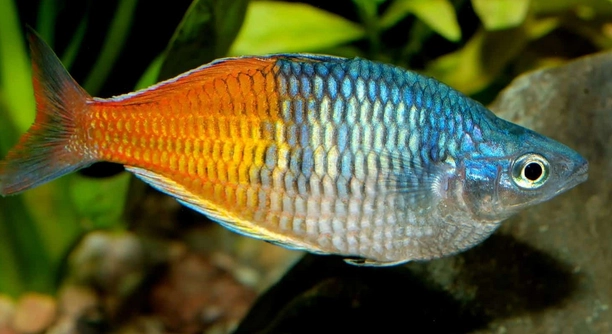
Fish are beautiful creatures, and keeping them healthy is important for their well-being. Sometimes, their swimming behavior can signal that something isn’t quite right. Understanding these signs can help improve their care and happiness.
Certain swimming patterns can indicate that your fish is feeling stressed, unwell, or unhappy. When fish swim erratically or exhibit strange behaviors, it’s often a sign that something is wrong in their environment.
Recognizing these behaviors early on is crucial to ensuring your fish’s health. This article will explain common swimming patterns to watch out for and what they might mean for your aquatic friend.
Swimming in Circles
If you notice your fish swimming in tight, repetitive circles, it’s often a sign that something is bothering them. This behavior is usually linked to stress or boredom. Fish in a small tank without enough stimulation might resort to this pattern. It can also happen if they feel cramped or anxious due to the presence of other aggressive fish.
When fish swim in circles, it’s important to check if their environment is suitable. A small tank, a lack of hiding spots, or an overcrowded tank can cause these behaviors. You may need to rearrange the tank or even consider upgrading the size of the tank. Fish often feel more secure with places to hide or explore.
Additionally, the water quality might play a role in this behavior. Poor water conditions, such as low oxygen levels or high levels of toxins, can stress fish and cause them to swim aimlessly. Regular water changes and ensuring proper filtration can help improve the situation.
Erratic Swimming
Fish that swim erratically or uncontrollably often show signs of distress. It can happen when the fish feel unsafe, either from environmental stressors or if they are sick.
Unusual swimming can indicate an issue with the tank setup, water quality, or the health of the fish itself. Sometimes it can be caused by a water temperature that is too high or low, or by toxins in the tank. Checking water parameters and making sure they are within the correct range for your specific species is vital. If the erratic swimming continues despite fixing the tank conditions, it might be time to consult a vet. They can help identify if there’s an underlying illness that needs to be addressed.
To calm your fish, ensure they are not overcrowded, provide appropriate hiding spots, and make sure they have the right amount of space to swim comfortably. Regularly monitor water quality and consider upgrading to a larger tank if necessary. This can help reduce stress and keep your fish healthier.
Restless at the Surface
When fish spend a lot of time near the surface, especially gasping for air, it’s a red flag. This behavior is often linked to poor water quality or a lack of oxygen. If the tank is poorly aerated or if the water’s oxygen levels are low, fish may move to the surface in search of air.
To address this, check the tank’s filtration system and aeration. Adding an air pump or increasing water movement can help improve oxygen circulation. Also, make sure you are performing regular water changes and monitoring chemical levels. Fish are sensitive to ammonia and nitrate buildup, which can cause them to behave erratically.
In some cases, fish may also swim near the surface because they are stressed by the lighting, temperature, or the presence of other fish. If this behavior continues, it’s crucial to look at the broader conditions in the tank to identify and correct the issue.
Floating Upside Down
Fish that are floating upside down or swimming at an unnatural angle are often dealing with a health issue. This behavior is commonly linked to swim bladder problems, which affect the fish’s ability to control its buoyancy. It could be a sign of an infection or injury.
Swim bladder disease can be caused by several factors, including overfeeding, constipation, or poor water quality. Fish with this condition may have difficulty staying upright or may float to the surface. If you suspect swim bladder disease, try adjusting their diet and reducing the amount of food they consume.
In some cases, you can improve their health by providing a high-quality, varied diet and avoiding overfeeding. Fish should also have a clean, stable environment with proper filtration and aeration. If the problem persists, it’s best to consult an aquarium specialist to rule out more serious issues.
Rapid or Heavy Breathing
When fish are breathing heavily or rapidly, it usually means they are struggling with oxygen levels in the tank. This can happen when the water is polluted, the oxygen content is low, or the fish are stressed. Heavy breathing can also be a sign of an underlying disease.
To solve this issue, first, check the water parameters. Ensure that oxygen levels are adequate by adding an air pump or adjusting the filter to increase water movement. It’s also important to perform regular water changes to prevent toxins from building up in the tank.
If the breathing continues despite improving the water quality, it might indicate a more serious issue, such as gill disease or parasitic infection. In such cases, you should quarantine the affected fish and treat them with the appropriate medication to prevent the problem from spreading to other fish.
Aggressive or Frantic Swimming
Fish that swim aggressively or appear frantic are often experiencing stress, discomfort, or frustration. They may be reacting to territorial issues, tank overcrowding, or the presence of aggressive tankmates. Fish may dart around the tank or swim rapidly from one spot to another as they try to escape perceived threats.
Addressing this behavior involves reassessing the tank setup. Consider whether the fish are housed with compatible species and whether they have enough space. Territorial fish may need to be separated from others to reduce conflict.
Another important factor is tank size. Fish that feel cramped or are unable to establish territory can become anxious and act out. Providing more space and hiding spots can reduce aggressive behavior. Regularly monitor their interactions, as some species are naturally more aggressive than others, and adjusting the tank layout can help maintain harmony.
Hiding at the Bottom
Fish that spend excessive time at the bottom of the tank might be feeling stressed or unwell. This behavior can indicate poor water conditions, injury, or illness. It’s important to assess the environment and determine if the fish have enough space and comfort.
If fish are hiding or staying at the bottom, check for signs of injury or disease. Make sure there are no sharp objects or tank mates that might be causing them distress. Also, examine the water quality to ensure there are no toxins present that could be affecting their health.
Keep the tank clean and ensure the water is well-oxygenated. Sometimes, fish that are sick will retreat to the bottom to avoid being around others. Regularly monitoring the tank’s water quality and overall setup can help resolve this issue.
Jumping Out of the Tank
Fish that are constantly jumping or attempting to leap out of the tank are often displaying stress or discomfort. This behavior can be a result of overcrowding, poor water quality, or high light levels. Fish might also jump to escape aggressive tankmates.
Ensure the tank has a secure lid to prevent escapes. If jumping persists, try increasing hiding spots in the tank or adjusting water conditions. Overcrowding is a common problem, so consider reducing the number of fish if necessary. Adjusting the light levels can also help, as some species become stressed under bright lights.
Sometimes, fish jump because they are seeking a change in their environment. It’s essential to address the root cause of their stress to prevent harm and ensure their long-term health.
Swimming in One Spot
When fish swim in the same spot for extended periods, it may indicate stress or boredom. Fish need stimulation, and a lack of it can cause them to exhibit repetitive behavior like staying in one area of the tank.
Make sure the tank is large enough for them to swim freely and that they have enough places to explore. Adding plants or decorations can encourage them to move around more naturally. A lack of variety in the environment can lead to fish becoming disoriented or stressed.
This behavior can also be linked to a lack of social interaction for species that prefer to live in groups. If appropriate, consider adding more fish to create a more stimulating environment for your pet.
FAQ
Why is my fish swimming upside down?
Swimming upside down is a common sign of swim bladder disorder, which affects the fish’s ability to maintain buoyancy. This could be caused by overfeeding, constipation, or an injury to the swim bladder. Poor water quality can also contribute to the issue. To help, reduce the amount of food you’re offering, and consider fasting your fish for a day or two. Also, check the water conditions for toxins or imbalances. If the problem persists, consult a vet for further evaluation.
What does it mean if my fish is swimming in circles?
If your fish is swimming in circles, it’s typically a sign of stress or boredom. A small tank, overcrowding, or lack of stimulation might cause them to repeat this behavior. It’s essential to make sure the tank is large enough and has enough decorations or hiding spots for the fish to explore. Stressful conditions or poor water quality can also contribute to this circular swimming. Test the water to ensure it’s within the right parameters, and consider giving your fish more space to swim.
Why does my fish swim erratically?
Erratic swimming often signals distress. This can be caused by poor water quality, sudden changes in the tank’s environment, or illness. If your fish is swimming quickly and unpredictably, it could also indicate that they are trying to escape from an aggressive tank mate or dealing with discomfort from a toxin in the water. Ensure the water is well-filtered, and perform regular water changes. If the erratic behavior continues, it may be necessary to isolate the fish to prevent the spread of disease and consult an expert.
What can I do if my fish is breathing heavily?
Heavy breathing or rapid gill movement usually indicates low oxygen levels in the tank. It may also be a sign of poor water quality or disease. The first step is to improve aeration by adding an air pump or adjusting the filter to create better water movement. Also, make sure the tank isn’t overcrowded, as this can deplete the oxygen supply. If breathing remains heavy, check the water for ammonia, nitrate, and nitrite levels, and make sure they’re within the safe range for your fish species.
How can I tell if my fish is stressed?
Signs of stress in fish include erratic swimming, hiding at the bottom of the tank, or staying near the surface. A stressed fish may also stop eating or become more aggressive. Common causes of stress include poor water quality, overcrowding, or incompatible tank mates. To reduce stress, make sure the water is clean and properly filtered. Provide hiding spots and a comfortable environment that mimics the fish’s natural habitat. If stress continues, consider checking the tank’s temperature and lighting conditions as well.
What should I do if my fish is gasping at the surface?
Gasping at the surface usually means that the fish are not getting enough oxygen. This could be due to poor water circulation, high toxin levels, or a lack of aeration. Start by improving water movement using an air pump or adjusting the filter. Make sure you’re doing regular water changes to prevent toxins from building up. In some cases, gasping can also signal a disease or infection affecting the gills. If it doesn’t improve, consult an aquarium specialist for treatment.
Why is my fish hiding all the time?
Fish may hide when they’re stressed, sick, or injured. It can also occur if they feel threatened by other fish or feel unsafe in their environment. Providing plants, caves, or decorations can offer hiding spots, which can make the fish feel more secure. If the fish continues to hide, check the water quality to ensure it’s suitable and free from toxins. Sick or injured fish may retreat to avoid other tank mates, so it’s important to monitor them closely for any signs of illness.
How do I know if my fish is sick?
Sick fish often display symptoms such as lethargy, loss of appetite, erratic swimming, changes in coloration, or visible lesions. Changes in behavior like excessive hiding or swimming near the surface can also indicate illness. Examine your fish closely for signs of parasites or abnormal growths. It’s important to isolate sick fish to prevent the spread of disease. Always maintain clean water, offer a balanced diet, and ensure the tank environment is stable to help prevent illness.
Can poor water quality affect my fish’s swimming?
Yes, poor water quality can cause various swimming problems in fish. When water is polluted, fish may exhibit erratic swimming, gasping for air, or swimming in circles. Contaminants such as ammonia, nitrites, or nitrates can lead to toxicity in the tank, stressing fish and affecting their buoyancy. Regular water changes, testing water parameters, and using a proper filtration system can prevent these issues. A clean environment is key to keeping your fish healthy and active.
What does it mean if my fish is swimming near the surface?
Fish that swim near the surface could be looking for more oxygen or responding to water temperature or quality issues. If your fish is also gasping at the surface, it’s likely struggling to get enough oxygen. This can happen when the water is poorly aerated or polluted. To fix this, ensure the tank is properly aerated by adding an air pump or adjusting the filter. Also, perform a water change and test the parameters to rule out toxins. If the problem persists, check for any health issues.
Final Thoughts
Understanding your fish’s swimming behavior is an important part of ensuring they are healthy and comfortable in their environment. When your fish start to display unusual swimming patterns, it’s often a sign that something is wrong. Whether it’s poor water quality, overcrowding, stress, or illness, these behaviors can help you identify the underlying problem. By paying close attention to how your fish swim, you can make adjustments to improve their well-being and prevent further complications.
One of the most effective ways to keep your fish healthy is to maintain a clean, stable tank environment. Regular water changes, proper filtration, and monitoring of water parameters like temperature, pH, and oxygen levels are essential. Providing enough space, hiding spots, and ensuring that tank mates are compatible can also reduce stress and prevent aggressive behaviors. Keeping your fish in an environment that mirrors their natural habitat as much as possible will encourage natural swimming patterns and reduce the likelihood of stress-related behaviors.
In addition to maintaining a proper environment, it’s important to be proactive in diagnosing and treating any health issues. If a swimming pattern seems unusual, act quickly to determine the cause and take corrective steps. Whether it’s adjusting the tank setup or consulting a specialist, addressing the issue early on can prevent more serious health problems down the line. The more you learn about your fish’s behavior, the better you will be at noticing when something is wrong and taking the right steps to fix it. By staying observant and attentive, you can ensure that your fish thrive in a healthy and happy environment.

Hello,
If you enjoy the content that we create, please consider saying a "Thank You!" by leaving a tip.
Every little bit helps us continue crafting quality advice that supports the health, happiness, and well-being of pets around the world, for pets of all shapes, sizes, and species.
We really appreciate the kindness and support that you show us!