
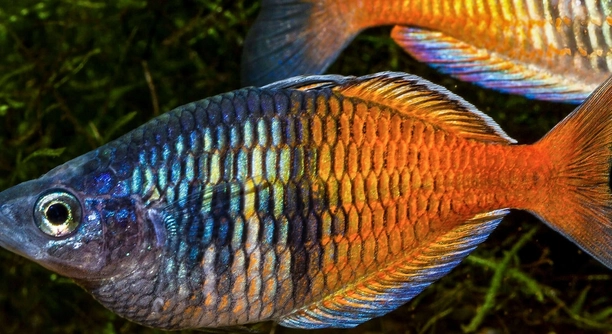
Rainbow fish are known for their vibrant colors and fascinating behaviors. One of the most interesting aspects of their behavior is how they react to different colors. Understanding why they flare at certain colors can reveal much about their social interactions.
Rainbow fish flare at specific colors as part of their natural response to environmental cues, social hierarchies, and mating behavior. The flaring is often a form of display, signaling dominance or attracting potential mates, with color playing a crucial role.
This response is more than just a reaction to their surroundings; it has important implications for their communication and interactions with others.
Why Do Rainbow Fish Flare at Colors?
Rainbow fish are particularly responsive to the colors around them. This behavior often involves them flaring their fins and expanding their vibrant scales, especially when exposed to bright colors or contrasting shades. This display serves multiple purposes, from establishing dominance to attracting mates. The colors that trigger these reactions are not random, and the fish are highly sensitive to changes in their environment. When these fish encounter certain colors, it may indicate a need to assert territorial control or communicate with other fish. Understanding these interactions gives insight into how rainbow fish use their colors as a communication tool.
The relationship between rainbow fish and color is deeply rooted in their natural instincts. These fish do not just react to random hues; specific colors have an impact on their behavior, affecting their social structure. Territorial fish may flare when they sense competition, while others use color displays as part of courtship rituals.
This response highlights the complexity of rainbow fish behavior, where colors are a vital form of non-verbal communication. It’s a way for them to express themselves, whether for safety or reproduction.
The Role of Color in Communication
Rainbow fish have a strong connection to color when it comes to communication. The vibrant hues they display are signals to others in their environment. These color shifts help them convey emotions like aggression, fear, or attraction. By responding to specific colors, they can establish boundaries and interact socially.
The fish’s ability to detect and react to various colors is tied to their biology. They have specialized cells that allow them to perceive colors more vividly than humans. This sharp sense of color perception helps them understand the behavior of other fish, whether for mating or territorial purposes. Rainbow fish rely on these colors to communicate their intentions and reactions, making it a key part of their social structure.
When rainbow fish flare at specific colors, they create a visual display that others in the group notice. This behavior can deter competitors, signal readiness to mate, or help them maintain a safe distance. Their colorful displays are vital for their survival, as these signals help them avoid conflict and attract mates.
How Fish React to Color Changes
Fish respond differently to colors based on their surroundings. If the environment becomes more colorful, they may either become more territorial or exhibit mating behaviors. The colors in their immediate vicinity can influence their actions, especially if they see a rival or potential mate nearby.
Color change triggers a strong reaction in rainbow fish, especially when it relates to mating or asserting dominance. When two fish encounter contrasting colors, they often flare their fins, puff up their bodies, and display intense colors. These signals are meant to warn rivals or to attract mates, ensuring a clear and effective interaction. In social settings, these behaviors help the fish maintain their position in the hierarchy.
For rainbow fish, color changes are essential for survival. They rely on these visual signals to avoid danger or to find a mate. In some cases, environmental changes can cause a shift in their color displays, which can indicate stress or discomfort. Understanding how rainbow fish react to these changes allows for a deeper appreciation of how important color is in their behavior.
Territorial Behavior Triggered by Color
Rainbow fish use colors to establish their territories. When they spot a competitor or intruder, their color intensity increases as a display of dominance. This visual signal warns other fish to stay away, protecting their space. The brighter and more vibrant the display, the stronger the territorial message.
The fish’s territorial behavior is not just about aggression; it’s also a survival tactic. By flaring and showing off their colors, rainbow fish signal their readiness to defend their area. This helps avoid physical confrontations, allowing them to establish boundaries without the need for violent interaction. Their colors act as a deterrent, keeping other fish at bay.
Color Changes During Mating
When it’s time to mate, rainbow fish alter their colors. Males often become more vibrant and flashy, using colors to attract females. This transformation is not just visual—it’s a biological signal that indicates fitness and readiness. Females are more likely to choose brightly colored males.
During courtship, the display of color becomes even more intense. The males’ colors serve as a way to demonstrate their health and genetic strength. A vivid and healthy color pattern signals that the male has good genes, making him a more desirable mate. This process highlights the role of color in natural selection.
Environmental Factors Affecting Color Response
Rainbow fish’s color changes can also be influenced by their environment. Stressful conditions, like changes in water temperature or lighting, may cause them to flare their colors more intensely. The fish react to their surroundings by adapting their color displays to signal discomfort or distress.
When rainbow fish experience stress, they may lose their vibrant hues or display darker tones. This response helps them blend into their environment and avoid predators. In contrast, calm and stable conditions tend to bring out the full range of their vibrant colors, promoting social behaviors and interaction with other fish.
FAQ
Why do rainbow fish flare at certain colors?
Rainbow fish flare at specific colors as part of their communication strategy. They use this behavior to establish dominance, defend their territory, or attract mates. Bright and contrasting colors trigger a response, with males especially flaring their fins and scales during mating displays. The color shift helps them signal their intentions clearly to other fish in their environment.
What colors trigger the flaring response in rainbow fish?
Rainbow fish are particularly sensitive to bold, contrasting colors. Bright reds, yellows, or even blues can trigger a flaring response. The intensity of the color and its contrast to the surrounding environment can make the fish feel threatened, challenged, or attracted. These vibrant colors stimulate a reaction that helps the fish assert their presence or show readiness for courtship.
Do all rainbow fish react the same way to colors?
Not all rainbow fish react to colors in the same way. Factors such as age, sex, and social standing can influence how they respond. For example, male rainbow fish often flare more dramatically when encountering certain colors, especially when vying for the attention of females. Younger or less dominant fish may not flare as intensely or may be more likely to retreat from a rival.
Can the color of the fish itself influence its behavior?
Yes, the color of the rainbow fish itself plays a major role in its behavior. More colorful and vibrant fish are often seen as more attractive by potential mates, as their bright colors indicate health and genetic fitness. In contrast, faded or dull-colored fish may appear weaker or less appealing, both in terms of mate selection and social hierarchy.
How do environmental factors affect rainbow fish color responses?
Environmental factors, such as water temperature, light levels, and tank conditions, can significantly impact the color responses of rainbow fish. Stressors such as water quality changes or overcrowding can cause the fish to dull in color or even exhibit more defensive behaviors. Proper lighting and water conditions are crucial for maintaining the bright and vibrant color displays that rainbow fish are known for.
Is color flaring a sign of aggression in rainbow fish?
Color flaring in rainbow fish can be a sign of aggression, particularly when they are asserting their dominance or defending territory. The fish may flare their fins and puff up their bodies to appear larger and more intimidating to rivals. However, flaring is not always aggressive—it can also be part of mating behavior or a social interaction within a group.
Can rainbow fish display their full color range all the time?
Rainbow fish can display their full color range when they feel safe, calm, and healthy. When they are stressed, such as during changes in water temperature, lighting, or social disturbances, they may show duller colors. Their ability to display vibrant colors is closely linked to their emotional and physical well-being. Healthy, well-cared-for rainbow fish tend to have the most vibrant color displays.
How do rainbow fish use color to attract mates?
Rainbow fish use color displays to attract mates during the breeding season. Males, in particular, will exhibit more vibrant colors to signal their fitness to females. The more intense and healthy the color, the more attractive the male becomes to a female. This visual display is a key part of the fish’s courtship ritual and helps ensure the continuation of the species.
Do rainbow fish always respond the same way to the same colors?
Rainbow fish may respond differently to the same colors based on their mood, social status, or the presence of other stimuli. For example, a dominant male might flare in response to a competing male’s color, while a female may be more interested in the same colors during mating. Their response is not static and can change depending on the context and situation.
Are there any specific color combinations that rainbow fish prefer?
Rainbow fish are attracted to bold, contrasting color combinations. High contrast between different colors, such as bright red against deep blue or yellow against green, can draw their attention. The more distinct the contrast, the more likely the fish will flare in response. This helps them stand out during interactions, whether in mating rituals or territorial disputes.
How do rainbow fish interact with each other based on color?
Rainbow fish use color interactions to maintain social order. When they spot another fish of similar size and vibrant color, they may flare their fins to assert dominance. This interaction helps determine the pecking order in a group. In mating situations, colorful males will display their vivid colors to compete for female attention. However, in the case of social hierarchy, it’s the more dominant fish that tends to have the brightest, most vibrant display.
Do rainbow fish ever lose their color?
Rainbow fish can lose their color temporarily due to stress, poor water conditions, or illness. A change in their environment, such as water temperature fluctuations or a drop in water quality, can cause them to dull. Additionally, fish that are ill or underfed may also lose some of their vibrant hues. Ensuring a stable, healthy environment is key to maintaining the bright, colorful displays they are known for.
Can rainbow fish change their colors over time?
Yes, rainbow fish can change their colors over time, especially as they mature or go through seasonal cycles. As they grow, their colors may become more intense, particularly in males. Environmental conditions and health status also affect how the fish display their colors, so a well-maintained environment can enhance their natural vibrancy.
Are rainbow fish more likely to flare in groups or alone?
Rainbow fish are more likely to flare when they are in groups, as they are social creatures. In a group, they interact with one another, and the presence of other fish can trigger competitive behavior. However, when alone, they may not flare as frequently unless a potential threat or rival is introduced into the environment. Social dynamics and interactions with other fish are key to triggering flaring behavior.
How can I make sure my rainbow fish’s colors stay vibrant?
To maintain vibrant colors in rainbow fish, it’s important to provide them with a stable, clean environment. Regular water changes, proper filtration, and balanced water temperature are essential for their health. Additionally, offering a varied and nutritious diet will help support their color production. A well-lit tank, with appropriate lighting, can also help bring out their natural hues.
Can different species of rainbow fish flare at different colors?
Different species of rainbow fish may have slightly different reactions to colors, as each species has unique behaviors and color sensitivities. However, most rainbow fish react to bold, contrasting colors in similar ways, with flaring being used for both territorial disputes and mating displays. The specific shades and types of colors that elicit flaring might vary slightly based on the species and its natural environment.
How can I tell if my rainbow fish is stressed?
A stressed rainbow fish may exhibit dull or faded colors, a sign that it is not feeling secure in its environment. They may also behave erratically, hide more frequently, or display aggressive behavior toward tankmates. If the fish’s color seems to be fading or changing unexpectedly, it could be a sign of stress or discomfort.
Final Thoughts
Rainbow fish are fascinating creatures that use color to communicate with each other in different ways. Their ability to flare at certain colors is a vital part of their behavior, whether it’s for attracting a mate or asserting dominance. Understanding these responses gives us a deeper insight into how these fish interact with their environment and one another. It is clear that the brightness and intensity of their colors play a significant role in their social dynamics and overall health.
Maintaining an environment that supports the natural behavior of rainbow fish is crucial for ensuring they remain healthy and vibrant. This means keeping the water clean, maintaining proper lighting, and providing a varied diet. A stable environment helps them display their full range of colors, which is not only visually pleasing but also essential for their well-being. Stress, poor water conditions, or lack of proper nutrition can all lead to duller colors and more aggressive behaviors. By understanding what makes them flare and what influences their color, fish owners can create a more harmonious tank.
In conclusion, the behavior of rainbow fish is an important aspect of their natural survival instincts. Their ability to react to colors helps them maintain social order, attract mates, and avoid conflict. By considering the environmental factors that impact their health and color displays, it becomes easier to care for these beautiful fish. Whether you are a seasoned fish owner or a newcomer to the hobby, taking the time to learn about their behavior will lead to a more enjoyable and successful experience.

Hello,
If you enjoy the content that we create, please consider saying a "Thank You!" by leaving a tip.
Every little bit helps us continue crafting quality advice that supports the health, happiness, and well-being of pets around the world, for pets of all shapes, sizes, and species.
We really appreciate the kindness and support that you show us!