
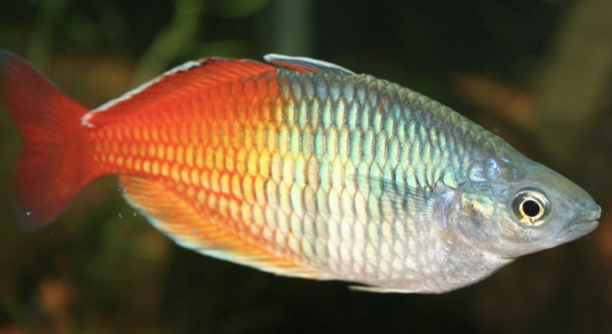
Rainbow fish are known for their vibrant colors and playful nature. As aquarium owners, it’s important to recognize when these beautiful fish may need a change in their schooling environment. Here are seven clues to watch for.
Rainbow fish often display signs of wanting a larger school, such as increased aggression, isolation from others, and restlessness. These behaviors are natural indicators of a fish’s need for social interaction and more companions within their environment.
Recognizing these signs early can help improve the wellbeing of your rainbow fish and maintain harmony in their habitat.
Signs of Restlessness in Rainbow Fish
When rainbow fish are unhappy with their school size, they can become restless. They may swim around aimlessly, moving quickly from one part of the tank to another. This restlessness often signals that they feel the need for more company. Alone or in small groups, rainbow fish may feel stressed and lack the social interaction they thrive on. You may notice them darting about or attempting to interact with other fish but not getting the same response.
Fish that are not receiving enough social stimulation often show these behaviors, which can lead to poor health. Keeping rainbow fish in larger schools ensures they feel safe and secure. Without this, they may become more susceptible to illness or injury due to stress.
To prevent these issues, adding a few more rainbow fish to the tank can make a noticeable difference. As their social needs are met, they will begin to display more relaxed and natural behaviors. A group of at least six rainbow fish is recommended for them to feel comfortable.
Increased Aggression Among Fish
Aggression between rainbow fish is another sign they may need a bigger school.
Rainbow fish can be territorial, especially if they feel crowded or isolated. Without the right number of fish, one may start to pick on others, leading to fights. This behavior is common in smaller schools, where one or two fish might dominate. The best way to reduce aggression is by adding more fish, which helps disperse the tension.
When more rainbow fish are added, they often form a social hierarchy, which reduces the need for aggressive behavior. As each fish knows its place in the group, they feel less threatened. Larger schools encourage peaceful interaction, making it easier for every fish to coexist. Regular monitoring of the tank for any signs of fighting can also help catch issues early. A balanced and healthy environment is key for maintaining calm among rainbow fish.
Frequent Hiding Behavior
When rainbow fish are unhappy with their social setup, they may spend more time hiding. They prefer to stay in the shadows of plants or decorations, avoiding other fish. This behavior is a sign that they feel insecure or uncomfortable with the environment.
Rainbow fish naturally seek shelter when they feel threatened or stressed. In smaller groups, they may not feel confident enough to swim freely and interact. This hiding can also be a result of not having enough fish around to establish a social structure. A larger school encourages them to be more active and confident, allowing them to explore their environment without fear.
Adding more rainbow fish gives them the confidence to come out of hiding. They will start swimming and interacting with the other members of their group, reducing their stress levels. The sense of safety in a bigger school leads to happier, healthier fish.
Stress from Poor Social Interaction
Rainbow fish require interaction with others to stay healthy and happy. Without enough schoolmates, they may experience stress from lack of companionship. This stress can affect their behavior, leading to poor health and a lack of energy.
When kept alone or in small numbers, rainbow fish may appear lethargic, swimming slowly or staying in one spot for too long. This is often due to the lack of social stimulation. Fish naturally enjoy interacting with others of their kind. In small groups, however, they may not get the interaction they need. Adding more fish can provide the social environment they crave, making them feel more at ease.
Rainbow fish in larger schools are much more active, swimming together and enjoying their space. They feel more secure and are better able to socialize, which improves their overall health. A group dynamic is essential for rainbow fish to thrive, and it’s the best way to address stress caused by poor social interaction.
Disrupted Feeding Habits
Rainbow fish may show signs of disrupted feeding habits when they lack enough schoolmates. They might be hesitant to eat or may only nibble at their food, which could be due to stress. This can affect their overall health if it continues.
Without a proper school, rainbow fish may not feel safe enough to fully engage in feeding. They may only take small bites or wait until other fish are away before eating. A larger group of rainbow fish will make them feel more at ease, allowing them to feed properly and thrive.
Low Energy Levels
When rainbow fish feel socially deprived, their energy levels can drop. This lack of energy often stems from the stress of being alone or in a too-small group.
Rainbow fish are known for their active, playful nature. However, when they’re in an environment with too few fish, they tend to become less energetic. They may swim less and spend more time resting. A larger school can help to encourage more active behavior, as the fish feel safer and more engaged.
Behavioral Changes Due to Stress
Rainbow fish under stress from being in a too-small group can exhibit noticeable behavioral changes. This might include erratic swimming, aggression, or even isolation.
When these behaviors are observed, it’s often because the fish don’t feel comfortable in their environment. Stress from being alone or in a small group can cause them to act out. A larger school helps to reduce these negative behaviors, creating a calmer environment. With more companions, they will be less stressed and more content in their tank.
FAQ
How many rainbow fish should I have in a school?
A school of at least six rainbow fish is recommended to ensure they feel comfortable and secure. In smaller groups, rainbow fish can experience stress and aggression, making them more prone to illness. Having a larger group allows them to form social structures and reduces the likelihood of fighting. This also encourages natural behaviors, like schooling and social interaction.
Can rainbow fish live alone?
Rainbow fish are social animals and should not be kept alone. They require interaction with other fish to thrive. Keeping a single rainbow fish can lead to stress, poor health, and lack of activity. It’s best to keep them in groups of at least six or more.
What happens if rainbow fish are kept in a small group?
In a small group, rainbow fish may display aggressive behavior, become territorial, or exhibit signs of stress like hiding or lethargy. Without enough social interaction, their health can suffer. They are also more likely to act aggressively toward each other, especially in groups smaller than six.
How do I know if my rainbow fish are stressed?
Stressed rainbow fish often display unusual behavior like hiding, darting around the tank, or not eating. They might also become more aggressive or lethargic. These signs indicate that the fish are feeling insecure in their environment and may need more schoolmates to reduce stress and encourage natural behaviors.
Can rainbow fish get along with other fish species?
Rainbow fish are generally peaceful and can coexist with other species that are not overly aggressive. However, it’s important to choose tank mates that are compatible in terms of size and temperament. Avoid keeping them with overly aggressive or territorial fish, as it can cause stress.
What tank size is best for rainbow fish?
Rainbow fish need a tank that provides enough space for swimming and social interaction. A 20-gallon tank is the minimum recommended size for a small group of rainbow fish. A larger tank will help create a more comfortable and stable environment, especially if you’re keeping more than six fish.
How often should I feed my rainbow fish?
Rainbow fish should be fed 1-2 times a day, with a variety of high-quality flakes, pellets, or frozen foods. It’s essential to avoid overfeeding, as uneaten food can pollute the water. A balanced diet ensures that rainbow fish stay healthy, vibrant, and active.
What is the lifespan of rainbow fish?
Rainbow fish typically live for 3-5 years, depending on the species and the quality of their environment. Proper tank care, a balanced diet, and regular water changes can help extend their lifespan. Healthy school dynamics also play a role in ensuring their overall wellbeing.
Do rainbow fish need a heater in their tank?
Rainbow fish are tropical species and prefer water temperatures between 72-78°F (22-25°C). A heater is necessary to maintain a stable and warm environment. Consistent water temperature is essential for their health, as sudden fluctuations can cause stress or illness.
What type of water is best for rainbow fish?
Rainbow fish thrive in slightly acidic to neutral water with a pH range of 6.5 to 7.5. They also prefer soft to moderately hard water. Regular water testing is essential to keep the water conditions stable. Proper filtration and regular water changes are necessary for their health.
Are rainbow fish hard to care for?
Rainbow fish are relatively easy to care for as long as their basic needs are met. Providing a suitable tank size, stable water conditions, and proper social interactions is key. With these requirements in place, rainbow fish can thrive with minimal effort.
What should I do if my rainbow fish are not eating?
If rainbow fish are not eating, it’s important to check their environment. Poor water quality, stress, or illness can cause a loss of appetite. Ensure the water parameters are correct, provide a variety of foods, and check for any signs of disease. If the problem persists, consult a vet or aquatic expert.
Can I add more rainbow fish to an existing school?
It’s usually fine to add more rainbow fish to an existing school, as long as the tank has enough space. Gradually introducing new fish helps prevent aggression and allows the school to form naturally. Adding too many fish at once can cause stress, so it’s best to introduce them in small groups.
How do I encourage my rainbow fish to school together?
Rainbow fish are naturally inclined to school, but environmental factors can influence this behavior. Ensure the tank is large enough, with plenty of plants and decorations to provide shelter and swimming space. Avoid overcrowding and keep water conditions stable to encourage them to school together.
Are rainbow fish hardy?
Rainbow fish are fairly hardy, but they do best in stable environments. They can tolerate minor fluctuations in water parameters but are sensitive to significant changes. Maintaining consistent water conditions and a proper diet helps them stay healthy and reduces the risk of stress-related issues.
Can rainbow fish breed in captivity?
Yes, rainbow fish can breed in captivity, though it may require specific conditions. A breeding pair needs a separate tank with suitable water conditions, such as slightly acidic water and a temperature around 75-78°F (24-26°C). After breeding, the parents should be removed to prevent them from eating the eggs.
Final Thoughts
Rainbow fish are vibrant and active creatures that thrive in groups. A healthy school is essential for their well-being, as they are social animals that require interaction with others of their kind. When they are kept in small groups or alone, they can become stressed, which leads to health issues and behavioral changes. By ensuring that rainbow fish have enough companions, you provide them with a more comfortable and natural environment that encourages positive behavior. A larger school helps them feel secure, reduces stress, and promotes better feeding habits, making them more likely to thrive in your aquarium.
Creating the right environment for rainbow fish goes beyond just adding more fish. It’s also about maintaining the right water quality, tank size, and temperature to support their needs. Regular water changes, proper filtration, and a stable tank environment are just as crucial. These factors help maintain a healthy habitat where rainbow fish can live comfortably and interact socially. When all these conditions are met, your rainbow fish will not only survive but flourish, displaying their natural colors and active behaviors.
In conclusion, the key to keeping rainbow fish healthy and happy is understanding their social needs. They are not solitary creatures and do best when they have a school of their own kind. Whether you are setting up a new aquarium or adjusting your current tank setup, it’s important to consider the number of rainbow fish you have and ensure they are well cared for. A well-maintained school of rainbow fish can bring beauty, movement, and joy to any aquarium, while a stressed fish can be a sign that adjustments need to be made. By addressing their needs, you’ll enjoy watching these colorful creatures thrive.

Hello,
If you enjoy the content that we create, please consider saying a "Thank You!" by leaving a tip.
Every little bit helps us continue crafting quality advice that supports the health, happiness, and well-being of pets around the world, for pets of all shapes, sizes, and species.
We really appreciate the kindness and support that you show us!