
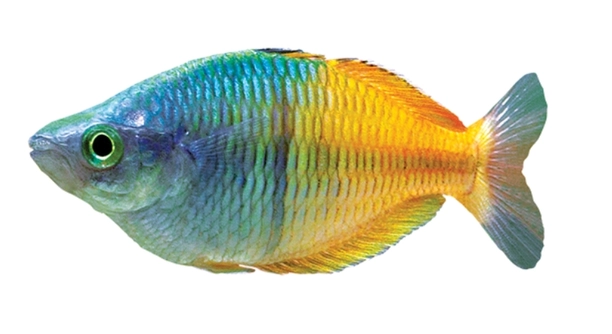
Rainbow fish are known for their vibrant colors and social nature. Observing their behavior can lead to interesting questions about their recognition of each other. Understanding their social interactions can reveal more about their world.
Rainbow fish can recognize their own species through visual cues, such as color patterns and body shape. These characteristics play a role in mate selection and social interactions, suggesting species recognition is important for maintaining group dynamics.
Learning about their recognition of species helps us understand more about their social structure and behavior in their natural habitats.
The Importance of Color Patterns in Recognition
Rainbow fish use their vivid colors to recognize each other. The patterns they display are not just for decoration but are essential for distinguishing between species. This visual recognition plays a key role in their social behavior, including finding mates and identifying groups. Each species has unique traits that help it stand out among others. For instance, the bright stripes of certain species help them communicate within their groups. These patterns can also serve as a defense mechanism, making them less visible to predators. Fish are constantly interpreting these signals, which are crucial for survival and reproduction.
The color patterns are not just for attracting mates; they also help the fish avoid being mistaken for other species. Recognition through color allows them to establish territories, ensuring they interact mainly with their own species.
The ability to distinguish between their own kind is vital for maintaining a healthy group dynamic. It ensures that rainbow fish can mate with compatible partners and avoid unnecessary conflict. In nature, these patterns also help them assess their social environment, giving them a better understanding of who belongs and who doesn’t.
Visual Cues and Behavior
Rainbow fish are particularly sensitive to visual signals. Their ability to differentiate between species is often based on specific characteristics like size, shape, and color. These cues allow them to avoid competition and increase mating success.
Social Interaction and Group Behavior
Rainbow fish use their ability to recognize species to maintain stable social groups. This recognition helps reduce aggression and promotes cooperation within their species. They form schools that rely on this understanding to stay safe from predators.
In schools, rainbow fish often display synchronized swimming patterns. This behavior helps them appear as a single, large entity to predators, reducing individual risk. The ability to identify species ensures that these schools stay intact. Without this recognition, rainbow fish might not be able to form such tight-knit groups, leading to higher vulnerability.
The social bonds created by this species recognition also contribute to the fish’s overall well-being. By staying within their species, rainbow fish avoid the stress of competing with other species for resources. It supports their development, particularly in their juvenile stages, where social structure plays a crucial role in their growth and survival.
Mate Selection and Reproduction
Recognition through color patterns plays a crucial role in mate selection. Rainbow fish are more likely to choose partners from their own species, ensuring genetic compatibility. This behavior is crucial for the survival of each species.
Reproductive success in rainbow fish is directly tied to their ability to identify the right mate. Choosing a mate from the same species ensures that offspring inherit desirable traits, like vibrant color patterns. These traits are often linked to overall health and reproductive fitness. Without this recognition, rainbow fish may mate with individuals from different species, leading to reduced fertility or unhealthy offspring. This makes visual cues even more important for their survival and continued success.
Environmental Factors Influencing Recognition
Rainbow fish adapt to their environments by using visual cues for recognition. Changes in water conditions, like light intensity or clarity, can affect how they see each other’s colors. These environmental factors may impact their ability to distinguish species, influencing their social behavior.
In murky or dark waters, rainbow fish might have trouble recognizing each other’s unique features. This can lead to confusion, possibly causing them to group with different species. On the other hand, bright environments with clear water make it easier for them to identify one another, ensuring social harmony and effective mate selection.
Evolutionary Adaptation
Rainbow fish have evolved to rely heavily on visual recognition. Over generations, species have developed distinct color patterns, making it easier for them to interact appropriately. This evolution has allowed them to thrive in diverse habitats, with each species adapting its visual cues to match its environment and behaviors.
Impact of Hybridization
Hybridization can occur when rainbow fish from different species mate. This often results in offspring that may not have the same color patterns, making it harder for fish to recognize each other. Such disruptions in species recognition can lead to social and reproductive challenges for both parent species.
FAQ
Do rainbow fish recognize other species?
Rainbow fish typically recognize their own species rather than other species. They rely on visual cues, like color patterns, body shape, and size, to distinguish between themselves and other species. This ability is crucial for avoiding interspecies competition and ensuring proper social dynamics. While they can likely identify other species to some extent, their main focus is on identifying their own kind for mating and group behavior.
Can rainbow fish live with other species?
Yes, rainbow fish can live with other species, but the success of this depends on their temperament and the species they are kept with. In general, they are peaceful fish and can coexist with non-aggressive species. However, ensuring that the tank has enough space and hiding spots is important to minimize territorial disputes. It’s best to avoid keeping them with overly aggressive or larger species that could stress them out.
How do rainbow fish find a mate?
Rainbow fish use visual signals, particularly their color patterns, to find a mate. These colors are often brightest and most vibrant during mating season. Fish with more vibrant and attractive color patterns are usually more successful in attracting mates. These visual cues are vital for species recognition, ensuring that they select mates from their own species, which is essential for healthy offspring and genetic diversity.
Do rainbow fish recognize their owner?
Rainbow fish are capable of recognizing their owners to some degree, especially if they are consistently fed by the same person. They are intelligent and can associate human presence with food. Over time, they may come to the surface or swim excitedly when they see their owner approach the tank, although their recognition is more of a response to patterns rather than individual identification.
Are rainbow fish easy to care for?
Rainbow fish are generally easy to care for, but they do require specific water conditions to thrive. They prefer slightly acidic to neutral pH levels and moderate water hardness. A well-maintained aquarium with clean water is key to their health. Additionally, providing a balanced diet, adequate swimming space, and the right tank mates will ensure they stay healthy. Regular water changes and monitoring for diseases are also essential.
What is the lifespan of a rainbow fish?
The lifespan of a rainbow fish typically ranges from 5 to 8 years, depending on the species and care conditions. Some species may live even longer if they are kept in ideal conditions with a proper diet, stable water parameters, and minimal stress. Proper care can ensure that they live a long and healthy life.
Do rainbow fish require a specific diet?
Rainbow fish are omnivorous and can eat a variety of foods, including flakes, pellets, live or frozen foods, and plants. A varied diet is essential for their health and vibrant coloration. Feeding them a mix of protein-based foods, such as brine shrimp or daphnia, along with plant-based options, ensures they get the necessary nutrients for growth and reproduction. It’s important not to overfeed them, as this can lead to water quality issues.
What are the best tank mates for rainbow fish?
Rainbow fish are peaceful and generally do well with other non-aggressive species. Some good tank mates include tetras, danios, guppies, and peaceful barbs. It’s important to choose tank mates that won’t compete too much for food or space. Avoid species that are overly territorial or aggressive, as they may cause stress to the rainbow fish.
How can I tell if my rainbow fish is healthy?
Healthy rainbow fish will have vibrant colors, clear eyes, and active behavior. They should swim actively and interact with the environment, showing no signs of lethargy or abnormal behavior. Their fins should be intact, and they should not have any visible lesions or bumps. Healthy rainbow fish also maintain a healthy appetite and actively forage for food. If any of these signs are missing or if you notice abnormal behavior, it’s important to check the water parameters and look for potential diseases.
How do I breed rainbow fish?
Breeding rainbow fish can be relatively straightforward, though it requires proper conditions. First, ensure that both males and females are in good health and have access to a proper diet. Provide a breeding tank with soft, slightly acidic water and a spawning site, such as fine-leaved plants or spawning mops. To encourage breeding, adjust the temperature slightly and ensure the fish are well-fed. After spawning, remove the adults to protect the eggs. Once the fry hatch, provide them with microscopic food like infusoria before transitioning them to larger foods as they grow.
Why are my rainbow fish losing color?
Rainbow fish may lose their color for several reasons, including poor water quality, stress, or illness. If the water conditions aren’t ideal—such as incorrect pH, ammonia, or nitrate levels—it can cause stress, which results in dull colors. A change in diet or exposure to aggressive tank mates can also lead to a loss of vibrancy. Ensuring proper care, regular water changes, and a balanced diet can help restore their color.
Do rainbow fish need a lot of space?
Rainbow fish are active swimmers and need a tank that provides enough space for them to move freely. A tank of at least 20 gallons is recommended for a small group of rainbow fish. A larger tank will be necessary if you plan to keep multiple species or other tank mates. More space reduces stress, helps maintain water quality, and allows for natural behavior.
Final Thoughts
Rainbow fish are fascinating creatures that rely on visual cues for recognition, social structure, and mate selection. Their ability to distinguish between their own species and others plays a vital role in maintaining group cohesion and ensuring healthy reproduction. This species recognition helps them form schools that provide safety from predators and promote social stability within their environment. Understanding how these fish interact with each other and their surroundings highlights the importance of visual communication and the evolutionary adaptations that support their survival in the wild.
While rainbow fish can live with other species, it’s essential to choose compatible tank mates that won’t cause stress or compete for resources. Their peaceful nature makes them suitable for community tanks, but maintaining a balance is key to their well-being. The right water conditions, proper diet, and enough space for swimming are necessary for them to thrive. By ensuring these factors are met, rainbow fish can live healthy, long lives while continuing to display the vibrant colors that make them so captivating. They are low-maintenance fish that can adapt well to most home aquariums with the right care.
Breeding rainbow fish requires careful attention to their environment and diet, but with the right conditions, it can be a rewarding experience. Ensuring that both males and females are healthy and well-fed will increase the likelihood of successful breeding. Providing the appropriate tank setup, including soft water and adequate hiding spots, creates an ideal environment for them to spawn. Overall, rainbow fish are beautiful, low-maintenance, and social creatures that can thrive in a well-maintained aquarium. Their ability to recognize each other, communicate visually, and adapt to their environment makes them a popular choice for aquarists.

Hello,
If you enjoy the content that we create, please consider saying a "Thank You!" by leaving a tip.
Every little bit helps us continue crafting quality advice that supports the health, happiness, and well-being of pets around the world, for pets of all shapes, sizes, and species.
We really appreciate the kindness and support that you show us!