
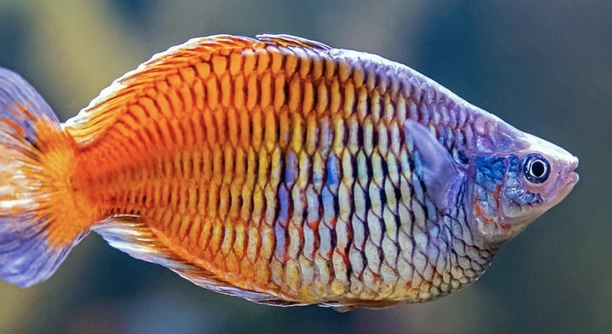
Rainbow fish are often seen spinning in tight circles, leaving many owners wondering about this unusual behavior. It may look like they are simply playing, but there are specific reasons behind this repetitive motion.
Rainbow fish may spin in tight circles as a result of stress, illness, or an attempt to communicate with their environment. They might also engage in this behavior when confined to a small space or experiencing water quality issues.
Understanding these factors can help you better care for your fish and improve their environment. This knowledge can guide you in making informed decisions to promote their well-being.
Common Causes of Spinning Behavior in Rainbow Fish
Spinning in rainbow fish can be linked to a variety of factors. One common reason is poor water quality. When ammonia, nitrites, or nitrates build up in the tank, it can stress fish and cause them to swim erratically. Another cause is an overcrowded tank, where fish feel confined and anxious. If the tank lacks proper filtration, debris can accumulate, affecting the fish’s health. Additionally, rainbow fish may spin if they are not provided with enough space to swim freely. Overcrowding, combined with poor water conditions, can trigger unnatural behaviors like circling.
Fish may also engage in spinning when they experience a lack of stimulation. This could happen in tanks that lack plants, decorations, or enough companions. Rainbow fish, being active and social creatures, require interaction with their environment to stay healthy. The absence of these elements can lead to mental stress, resulting in behaviors like circling.
How to Address the Issue
To resolve the spinning behavior, start by improving water quality. Regular water changes and proper filtration are essential. Additionally, ensure the tank is not overcrowded, and that the fish have enough space to move comfortably. Providing tank decorations and plants can also reduce stress, as fish can use them for hiding and exploring.
Adding other rainbow fish or similar species can help satisfy their need for social interaction. However, monitor the tank carefully to ensure that it doesn’t become overcrowded. Keep the water temperature and pH levels stable to avoid stressing the fish.
Stress and Illness in Rainbow Fish
Stress is one of the main factors behind spinning behavior in rainbow fish. Illness or injury can also cause similar movements. When fish are unwell, they may appear lethargic, or they might swim in tight circles. Conditions like swim bladder disease or parasites can affect a fish’s ability to swim properly.
Infected or injured fish may exhibit erratic behavior as they struggle to maintain balance or avoid pain. It’s important to keep a close eye on their overall health. Symptoms of illness, such as loss of appetite or abnormal swimming, should not be ignored. Quarantining sick fish may help prevent the spread of diseases in the tank.
Monitoring water parameters regularly and checking for visible signs of illness can make a significant difference. If symptoms persist, consulting a vet who specializes in fish care is recommended. Early detection and treatment can help prevent more serious health problems.
Tank Size and Environment
Rainbow fish need enough space to swim freely. A cramped tank environment can cause stress, leading to spinning and other abnormal behaviors. The minimum tank size for rainbow fish is 20 gallons, with more space required if you plan to add more fish.
A tank that is too small creates high stress levels, limiting the fish’s ability to swim naturally. It also prevents the creation of areas where fish can seek shelter and rest. These factors contribute to poor health and a greater likelihood of spinning behavior. Regular tank maintenance, including water changes and proper filtration, is crucial for maintaining a healthy environment.
With enough room to swim, rainbow fish can feel more secure and engage in their natural behaviors. A larger tank also gives you the opportunity to add plants, decorations, and hiding spots, which are essential for reducing stress.
Water Quality and Filtration
Rainbow fish are sensitive to water quality. High levels of ammonia, nitrates, or nitrites can lead to spinning behavior as the fish struggle with poor water conditions. Regular water testing is key to maintaining a healthy tank.
Proper filtration helps keep the water clean and reduces harmful substances. A filter suited to your tank size will help prevent water quality issues. Remember to clean the filter regularly to ensure it’s working effectively. Changing the water often is another way to maintain stability.
Feeding and Diet
An imbalanced diet can contribute to erratic behavior in rainbow fish. Offering them a variety of foods ensures they get the nutrients needed for optimal health. Stick to a high-quality, well-rounded fish food to keep them active and healthy.
Rainbow fish thrive on a combination of flakes, pellets, and live or frozen foods. Live foods like brine shrimp or daphnia can stimulate natural hunting instincts and offer enrichment. However, overfeeding can lead to water quality issues, which may cause stress.
Social Environment
Rainbow fish are social creatures that thrive in groups. Keeping them alone or with species that don’t interact well with them can lead to stress. A group of at least five fish helps them feel secure and prevents behavioral problems like spinning.
FAQ
Why is my rainbow fish spinning in circles?
Spinning in circles is often a sign of stress or illness in rainbow fish. Poor water quality, overcrowded tanks, or even boredom can cause them to engage in repetitive behaviors. If your rainbow fish is spinning, first check the water parameters like ammonia, nitrites, and nitrates. Ensure that the tank is not overcrowded and that the fish have enough space to swim freely. If the issue persists, examine the fish for signs of illness like swelling, spots, or abnormal swimming patterns.
Can rainbow fish spin due to poor water conditions?
Yes, poor water quality can cause rainbow fish to spin. High levels of ammonia, nitrites, or nitrates are common culprits. If these harmful substances are present in the water, the fish may become stressed and exhibit abnormal behaviors like spinning in tight circles. Regular water changes and proper filtration are essential to maintain good water quality.
How can I tell if my rainbow fish is stressed?
Stress in rainbow fish may manifest in various ways. Aside from spinning, you might notice changes in their swimming patterns, lack of appetite, or hiding more often. Other signs of stress include rapid gill movement, faded colors, or erratic swimming. If your fish is showing these behaviors, it’s important to assess the environment, check water parameters, and ensure that the tank size and social dynamics are appropriate.
Do rainbow fish need tank mates?
Rainbow fish are social creatures and thrive in groups. It’s best to keep them with at least five other rainbow fish or compatible species. Keeping them alone can lead to loneliness and stress, which may cause spinning or other behavioral issues. Choosing peaceful tank mates ensures the fish feel secure and safe.
How often should I change the water for rainbow fish?
Water changes are crucial for maintaining a healthy environment. For a rainbow fish tank, it’s recommended to change 20-25% of the water every week. This helps to keep ammonia, nitrites, and nitrates at safe levels. Regular water changes also reduce the accumulation of debris and waste that can negatively impact the fish’s health.
What is the ideal tank size for rainbow fish?
Rainbow fish need enough space to swim and explore. A 20-gallon tank is the minimum recommended size for a small group of rainbow fish. However, larger tanks are preferable, especially if you want to keep a school of rainbow fish and other tank mates. A spacious tank helps reduce stress and promotes healthy fish behavior.
Can rainbow fish spin due to illness?
Yes, illness can cause rainbow fish to spin in circles. Conditions like swim bladder disease or parasitic infections can impair their swimming abilities, leading to abnormal movement patterns. If you suspect your fish is sick, check for additional symptoms like bloating, lethargy, or visible lesions. Consult a fish vet if necessary for proper diagnosis and treatment.
What can I do to prevent rainbow fish from spinning?
To prevent rainbow fish from spinning, focus on maintaining a healthy and stable environment. Regularly check water parameters to ensure they’re within the ideal range. Avoid overcrowding, and make sure your fish have enough space to swim freely. Offering a variety of foods, providing tank decorations, and keeping other social fish can help reduce stress and promote natural behaviors.
Are rainbow fish aggressive?
Rainbow fish are generally peaceful, though they can become territorial if kept in too small of a space. Aggression may occur if there aren’t enough hiding spots or if the tank is overcrowded. Maintaining a proper group size and tank environment will help prevent aggression and reduce stress-related spinning.
Can rainbow fish live with other species?
Rainbow fish are generally compatible with many peaceful species. They can coexist well with other non-aggressive fish like tetras, catfish, and guppies. However, avoid keeping them with overly aggressive fish that may cause stress. Always research the specific needs of each species before adding them to your tank.
What should I feed my rainbow fish?
Rainbow fish require a varied diet to stay healthy. A combination of high-quality flakes, pellets, and live or frozen foods like brine shrimp or daphnia provides essential nutrients. Offering a range of foods helps stimulate their natural hunting instincts and keeps them active. Avoid overfeeding, as this can affect water quality and fish health.
Can water temperature affect rainbow fish behavior?
Yes, temperature plays an important role in the health and behavior of rainbow fish. They thrive in water temperatures between 72°F and 78°F (22°C – 25°C). If the water is too cold or too warm, it can stress the fish, leading to abnormal behaviors like spinning. Regularly check the water temperature to ensure it’s within the ideal range.
Why are my rainbow fish swimming at the surface?
Rainbow fish swimming at the surface may be searching for food or oxygen. However, if they remain at the surface for extended periods, it could indicate an issue with water quality or low oxygen levels. Ensure your tank has adequate filtration and aeration, and monitor water parameters to rule out harmful substances.
How do I know if my rainbow fish is healthy?
Healthy rainbow fish will have vibrant colors, swim actively, and show interest in food. They should not exhibit erratic swimming, such as spinning, or display any signs of illness like swelling, lesions, or clamped fins. A healthy fish should also interact well with other tank mates and not hide excessively.
Can rainbow fish live in fresh water?
Yes, rainbow fish are freshwater fish and require a well-maintained freshwater tank. They do not tolerate saltwater conditions and should only be kept in aquariums with freshwater environments. Make sure the water quality is consistently monitored and kept within ideal parameters for optimal health.
Final Thoughts
Rainbow fish are generally peaceful, social creatures that can bring beauty and life to your aquarium. However, like all fish, they require proper care and attention to thrive. When rainbow fish display unusual behaviors, such as spinning in tight circles, it is usually a sign of stress or an underlying issue. The cause could range from poor water quality to overcrowding or even an illness. Identifying and addressing the root cause is essential to restoring the health and well-being of your fish.
Maintaining a healthy environment is key to preventing behaviors like spinning. Regular water changes, proper filtration, and ensuring that your tank is not overcrowded will help reduce stress in your rainbow fish. Additionally, providing a well-balanced diet and a suitable social environment, including compatible tank mates, will encourage natural behaviors and prevent issues that could lead to spinning. The fish need space to swim freely and should not feel threatened by overly aggressive tank mates. Ensuring all these factors are in place can significantly improve your fish’s overall health.
Taking care of your rainbow fish requires consistency and patience. By regularly checking water parameters, offering a variety of foods, and maintaining a peaceful tank environment, you can avoid many common issues. If spinning persists despite your efforts, it’s important to observe for other signs of illness, which may require medical intervention. Understanding the factors that affect your rainbow fish’s health and behavior can help you provide the best care possible, ensuring your fish live a long, healthy, and stress-free life in your aquarium.

Hello,
If you enjoy the content that we create, please consider saying a "Thank You!" by leaving a tip.
Every little bit helps us continue crafting quality advice that supports the health, happiness, and well-being of pets around the world, for pets of all shapes, sizes, and species.
We really appreciate the kindness and support that you show us!