
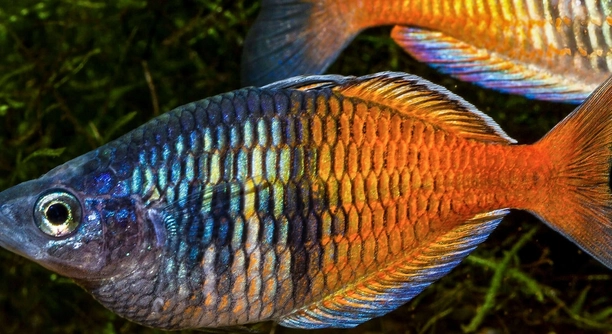
Rainbow fish are beautiful additions to aquariums, but their behavior around plants can sometimes be unpredictable. You may notice them rejecting new plants, and understanding why can help improve their environment and your aquarium setup.
Rainbow fish might reject new plants for a variety of reasons, such as water quality, plant type, or even their personality. Some species prefer specific plants while others may feel stressed or threatened by new additions to their environment.
Learning how to create a comfortable space for your rainbow fish can ensure a more harmonious aquarium setup. We’ll explore the common causes of this behavior and provide tips for overcoming it.
Poor Water Quality
One of the main reasons rainbow fish may reject new plants is poor water quality. If the water is too dirty or the parameters are off, the fish may become stressed, making them less likely to accept new additions to their environment. Regular water changes and proper filtration can help maintain a stable environment. Rainbow fish thrive in water that is clean and well-balanced, so make sure to check the pH, hardness, and temperature to ensure they match the fish’s needs. If the water conditions are not optimal, the fish might ignore or uproot plants.
Keeping your tank’s water quality in check is key to a healthy, thriving aquarium. It prevents stress and promotes a better relationship between your fish and plants.
Poor water conditions can make rainbow fish uncomfortable, causing them to avoid plants or uproot them in an attempt to make their environment feel safer. Keeping water parameters stable and ensuring regular maintenance can make your fish more open to new plants.
Wrong Plant Choice
Not all plants are suitable for rainbow fish. Some plants have sharp edges or grow too quickly, which might cause the fish to feel threatened. Rainbow fish are peaceful but have certain preferences when it comes to plant types. They enjoy plants that are soft and don’t disrupt their swimming area too much. Also, plants with strong scents or that need heavy lighting might not be accepted easily. Selecting the right plant type is essential to creating an aquarium that both you and your fish enjoy.
Choosing the right plants can greatly affect your fish’s behavior. Consider the needs of both your plants and fish before adding anything new.
If the plants you add aren’t a good fit for your aquarium, the rainbow fish might completely reject them. Soft-leaved plants like Anubias, Java Fern, and Amazon Sword tend to do well in rainbow fish tanks. These plants are less likely to stress out your fish while providing a comfortable space for them to swim. Researching plant care and how the fish interact with certain species can lead to a more harmonious setup. Make sure the plants you choose align with the lighting, temperature, and size of your tank as well.
Fish Behavior
Rainbow fish can sometimes be picky about their environment, and that includes plants. They may reject new plants simply because they don’t feel comfortable with the changes. If the plants are placed too suddenly or in an area where the fish usually swim, it could disrupt their routine, causing them to avoid the plants. Fish have unique personalities, and some might just prefer to keep things as they are.
Introducing new plants gradually is one way to avoid causing stress. You can try placing the plants in a quieter part of the tank first and then slowly move them to a more visible location. By allowing your fish time to adjust to the new addition, they might become more accepting.
Rainbow fish can also be territorial and may react negatively to changes in their environment. If you’ve noticed the fish rejecting plants consistently, consider observing their behavior. Are they more aggressive or skittish? This might indicate stress from the addition. Giving them a few days to settle in could help them accept the changes more easily.
Overcrowding
Overcrowding in the tank can lead to issues with the plants as well. When there are too many fish, the space for both plants and fish becomes limited. As a result, rainbow fish may feel cramped or threatened, causing them to ignore new plants or uproot them in frustration. Less space for swimming also increases stress levels, making the environment less appealing for your fish.
When planning your tank, always keep an eye on the fish-to-plant ratio. Make sure there’s plenty of room for both the plants and the fish to thrive. Plants are great for providing shelter, but too many fish in a small space will result in discomfort. Ensuring your tank is spacious enough to accommodate both will reduce the chances of rejection.
Try adding plants that don’t require too much space or that grow slower to minimize overcrowding. A well-planted tank can still support your rainbow fish while avoiding the tension that leads to rejected plants. Keep the tank size in mind when adding new fish or plants, as the goal is to create a balanced, peaceful environment for all inhabitants.
Poor Lighting
Rainbow fish can be sensitive to lighting, and if the lighting in your tank is too harsh or too dim, it may cause them to reject new plants. Plants rely on the right amount of light for healthy growth, and if the light conditions aren’t suitable, fish might avoid them.
Ensure your tank has balanced lighting that supports both plant growth and fish comfort. Too much light can cause algae growth, while too little can leave plants struggling. Adjusting the lighting intensity or using a timer can help create a more inviting environment for your rainbow fish and plants.
Incompatible Tankmates
If you have other fish in the tank, their behavior can also affect how rainbow fish interact with new plants. Aggressive or territorial tankmates may stress out rainbow fish, causing them to avoid plants as a result. Fish like cichlids or barbs are often known to uproot plants, disturbing the peaceful balance of the aquarium.
Consider the behavior of your other fish and how they may impact your rainbow fish’s acceptance of new plants. Keeping peaceful fish together can reduce stress and create a more stable environment for everyone. If there are aggressive fish, it might be worth rethinking your tank setup to keep plants and fish safe.
Plant Maintenance
Sometimes, the way plants are cared for can influence how rainbow fish react to them. If plants are not kept healthy and start to decay or rot, fish will naturally avoid them. Proper plant care, including regular trimming and removing dead parts, ensures a clean and attractive environment for your fish.
FAQ
Why do rainbow fish reject new plants?
Rainbow fish may reject new plants due to stress, changes in their environment, or the water quality not being ideal. They can be sensitive to new additions in their tank, especially if it disrupts their usual routine. Gradually introducing plants and ensuring optimal water conditions can help them accept the new additions more easily.
How can I make rainbow fish accept new plants?
To help your rainbow fish accept new plants, try introducing them slowly. Start by placing them in a less visible area and gradually move them to a more prominent spot over a few days. This gives the fish time to adjust to the changes without feeling overwhelmed. Also, maintaining stable water parameters and ensuring the plants are suitable for their needs can encourage acceptance.
What type of plants do rainbow fish prefer?
Rainbow fish generally prefer plants with soft leaves and slow-growing types. Plants like Java Fern, Anubias, and Amazon Sword are good choices. These plants provide hiding spots without disrupting the fish’s swimming space too much. Avoid plants that are too large or aggressive in growth, as they may cause stress or block swimming areas.
Can rainbow fish live with any other tank mates?
Rainbow fish are generally peaceful and can coexist with most non-aggressive species. However, they might struggle with aggressive or territorial fish. It’s important to choose tank mates that won’t cause stress, especially if you have plants in the tank. Fish like tetras, peaceful barbs, and small plecos are good companions.
How do I maintain plant health in a rainbow fish tank?
To keep plants healthy, focus on proper lighting, nutrient levels, and trimming. Plants in a rainbow fish tank need adequate light for photosynthesis, so ensure you’re providing the right amount of light for each species. Use a balanced liquid fertilizer for plants and remove dead or decaying leaves to prevent any water quality issues.
How do I know if my rainbow fish are stressed?
Stressed rainbow fish may exhibit behaviors like hiding, erratic swimming, or a decrease in appetite. If you notice that your fish are acting out of character, check the water quality, temperature, and tank environment. A sudden change in behavior could indicate they’re not adjusting well to new plants, tank mates, or conditions.
Can rainbow fish survive in low-light conditions?
Rainbow fish can tolerate low-light conditions, but it’s not ideal for their overall health or plant growth. Plants need sufficient light to thrive, and inadequate lighting can lead to poor plant health, which could stress the fish. For a balanced tank, use moderate lighting that benefits both plants and fish.
Do rainbow fish need specific water conditions?
Yes, rainbow fish thrive in stable water conditions. They prefer slightly alkaline water with a pH of 7.0 to 8.0, and a temperature range of 72-79°F (22-26°C). Water hardness should be moderate. Regular water changes and proper filtration help maintain these conditions. If the water is too acidic or fluctuates too much, rainbow fish may show signs of stress and avoid plants.
How can I tell if my rainbow fish are damaging the plants?
If you notice that your plants are uprooted, chewed on, or appear damaged, it might be due to the rainbow fish. Some fish are more playful with plants, while others might nibble on the leaves. However, rainbow fish are usually not plant-eaters, so if you’re seeing damage, it could be a sign of other issues like stress or overcrowding.
Is it normal for rainbow fish to uproot plants?
While rainbow fish are typically peaceful, they can occasionally uproot plants, especially if they are adjusting to new plants or feeling stressed. If you notice this happening, try anchoring the plants better or switching to more robust types that can withstand occasional disturbances. Additionally, reducing stressors like overcrowding or poor water quality can help prevent this behavior.
How often should I trim plants in a rainbow fish tank?
Trimming plants regularly is important for maintaining a healthy tank environment. Remove any dead or decaying leaves to prevent them from affecting water quality. Fast-growing plants like Java Fern and Amazon Sword may need trimming every few weeks to ensure they don’t crowd the fish or block swimming areas.
What should I do if my rainbow fish won’t accept the plants?
If your rainbow fish aren’t accepting the plants, assess the tank’s overall environment. Ensure water quality is optimal and the plants are suitable for the fish. Try adding plants gradually or rearranging the tank to make the environment feel safer. Sometimes, simply giving the fish time to adjust can lead to better acceptance. If aggression from other fish is an issue, consider removing or relocating aggressive tank mates.
Can rainbow fish live without plants?
Rainbow fish can live in tanks without plants, but plants offer numerous benefits. They help maintain water quality by absorbing excess nutrients, provide shelter and hiding spots, and create a more natural, visually appealing environment. If you choose not to add plants, make sure your fish still have plenty of places to hide and swim freely.
Final Thoughts
Rainbow fish are beautiful creatures that can thrive in a well-balanced aquarium. However, they can sometimes reject new plants, and understanding the reasons behind this behavior is key to creating a peaceful and thriving environment for them. Factors like water quality, plant types, and the overall tank setup can influence how the fish react to new plants. When introducing plants, it’s important to consider the needs of both the fish and the plants. By making small adjustments to your tank’s environment, you can encourage your rainbow fish to accept and enjoy the new additions.
If your rainbow fish are rejecting plants, take the time to evaluate the water conditions. Regular water changes, proper filtration, and maintaining stable temperature and pH levels are essential. If the water is too dirty or the conditions are not ideal, your fish may feel stressed, leading to a lack of interest in the plants. Additionally, choosing the right plants is crucial. Soft-leaved, slow-growing plants like Java Fern or Anubias tend to work well in rainbow fish tanks. Avoid plants that are too large or aggressive in growth, as these can cause stress and make the fish feel crowded or threatened.
Creating a comfortable and balanced tank is important for the overall well-being of your rainbow fish. Avoid overcrowding and ensure your tank mates are peaceful. Keep the tank clean, check water parameters regularly, and select plants that suit your fish’s needs. Over time, with the right adjustments and a bit of patience, your rainbow fish will likely accept the new plants, and your aquarium will become a healthier and more beautiful space for all its inhabitants.

Hello,
If you enjoy the content that we create, please consider saying a "Thank You!" by leaving a tip.
Every little bit helps us continue crafting quality advice that supports the health, happiness, and well-being of pets around the world, for pets of all shapes, sizes, and species.
We really appreciate the kindness and support that you show us!